
24/7 全天候客户支持

免费退货

当日/次日达

品质保障

开启新人专享福利: 全场免邮 | 低至 2 折 | 免费试用 30 天 JoyPlus 会员
下载 Joybuy
Finding a single duvet that keeps you comfortable through frosty winter nights and balmy summer evenings can feel like an impossible task. The term "all season duvet" is used widely, but many products fail to deliver on this promise, leaving you either too hot or too cold. This guide cuts through the marketing jargon to help you understand what truly matters when selecting a duvet that will serve you well year-round.
Before you invest, it's crucial to be aware of common pitfalls that lead to disappointment and wasted money.
duck feather and down duvet should feel light yet incredibly warm due to the high insulating properties of down clusters. A common issue is duvets filled predominantly with heavy, coarse feathers and very little down. This results in a heavy, noisy quilt that offers poor thermal efficiency and can even feel lumpy.To avoid these issues, focus on three key specifications. Getting these right is the difference between a decade of comfort and a purchase you regret in six months.
The Tog rating measures a duvet's thermal insulance, or how well it traps heat. It is not a measure of weight or quality. For the UK's varied seasons, here is a practical breakdown:
winter quilt for the coldest months.A true all season duvet system typically consists of two separate duvets—for example, a 4.5 tog and a 9.0 tog. You can use the 4.5 tog in summer, the 9.0 tog in autumn and clip them together to create a combined 13.5 tog warm duvet for winter.
The filling determines a duvet's breathability, weight and care requirements.
hypoallergenic duvet option. These materials are designed to mimic the feel of down. They are typically more affordable and easier to care for, with many being a fully washable quilt suitable for home machines.How the filling is kept in place is just as important as the filling itself.
We have matched several products to different user needs, ensuring they address the common pitfalls and meet key quality standards.
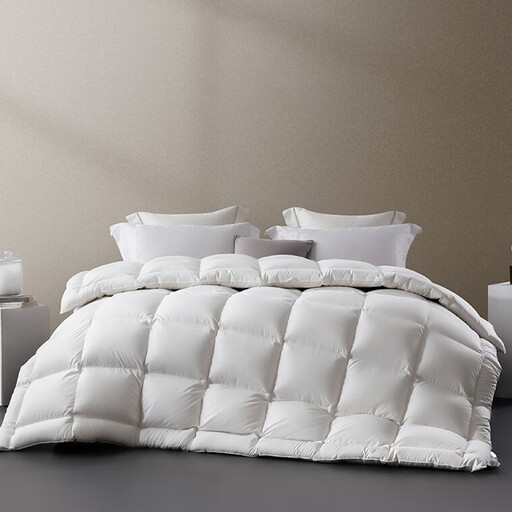
Why This Fits Their Persona: Perfect for someone with a single duvet requirement who values the luxurious, breathable warmth of natural fillings. This is an investment in long-term comfort for a solo sleeper or for a guest room where quality is paramount.
This duvet avoids the "misleading fill" trap by using a quality duck feather and down blend, providing excellent insulation without excessive weight. The construction helps maintain an even fill distribution.
Natural filling offers superior breathability and temperature regulation. The cosy, thick design makes it an excellent warm duvet for colder nights.
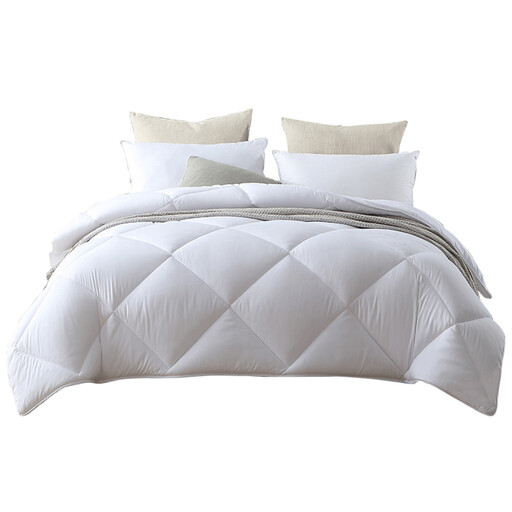
Why This Fits Their Persona: This generous super king duvet is ideal for a master bedroom. Its key features—non-allergenic and washable—make it the perfect choice for families, pet owners, or anyone prioritising hygiene and ease of care.
By being a fully washable quilt with a stable synthetic fill, it avoids the "clumping after washing" pitfall. The construction ensures it maintains its shape and thermal properties, even with regular cleaning.
The synthetic microfibre fill makes this a reliable hypoallergenic duvet. Its all-year-round design provides balanced comfort, and the large size ensures ample coverage.
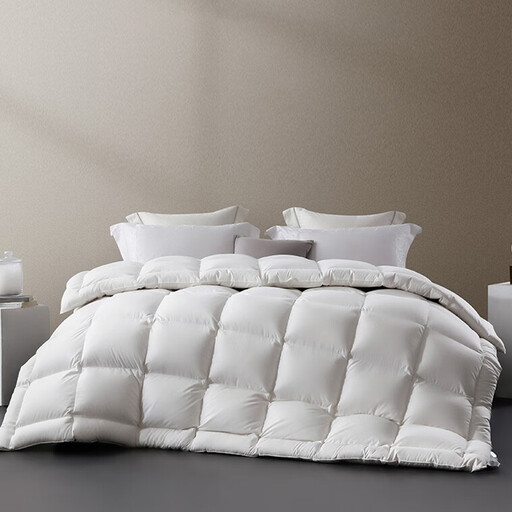
Why This Fits Their Persona: This duvet is described as "extra warm, thick & cosy," making it a fantastic choice for those who feel the cold. The 155x220cm size is perfect for a UK double duvet on a standard double bed (135cm wide) for extra drape, or for taller individuals with a long single bed.
It directly counters the "one-tog-fits-all" trap by specifically targeting users who need a genuinely warm duvet for cold nights, rather than a flimsy compromise.
The focus on being an "extra warm, thick & cosy winter quilt" ensures it delivers on its primary promise. The natural duck feather and down filling provides exceptional warmth.
We have compiled a complete, real-time list of products that fully satisfy these strict selection criteria and UK safety regulations.
A standard 13.5 tog duvet is a single, heavy-weight quilt designed specifically for winter. A true all season duvet is more versatile, typically comprising two separate duvets of different tog ratings (e.g., a 4.5 tog for summer and a 9.0 tog for spring/autumn). These can be fastened together to create a combined 13.5 tog duvet for winter, giving you three different warmth levels from one purchase.
It is generally recommended to wash your duvet once or twice a year. However, always follow the specific instructions on the care label. A synthetic washable quilt can often be cleaned at home in a large-capacity washing machine. A duck feather and down duvet may require professional laundering to ensure the filling dries properly and doesn't clump or develop mildew. Using a removable, washable duvet cover is the best way to maintain hygiene between deep cleans.
While synthetic fillings are the most common choice for a hypoallergenic duvet, it is possible to find natural-fill duvets suitable for allergy sufferers. Look for products that specify the filling has undergone a rigorous purification process to remove dust, dander and other potential allergens. These are often labelled as "hypoallergenic" or carry specific anti-allergy certifications.