
24/7 Customer Support

Free returns

Same-day & Next-day Delivery

Quality Guaranteed

Unlock Your Welcome Offers: FREE Delivery | Up to 80% OFF | Free 30-day JoyPlus trial
Download the APP
Waking up with a stuffy nose, itchy eyes or constant sneezing is a frustrating reality for many allergy sufferers in the UK. Your bedding, particularly your duvet, can often be a key factor. Dust mites and other allergens can accumulate in natural fillings, disrupting what should be a restful night. An all seasons anti-allergy duvet offers a practical solution, providing year-round comfort without the sniffles.
As the Joybuy Product Recommendation Officer, my role is to help you navigate the options. This guide will walk you through the key features to look for in a hypoallergenic duvet and present a few recommendations to help you find the right fit for a healthier, more comfortable sleep.
Making the right choice comes down to a few key considerations. Here’s what to focus on to ensure your new duvet meets your needs.
The 'tog' rating measures a duvet's thermal insulance, or how well it traps heat. For a year round duvet in the UK's variable climate, a 10.5 tog duvet is often the most popular choice. It provides enough warmth for cooler autumn and spring nights without being too heavy for summer. For those who want more control, some duvets come as a set—typically a light 3.5 or 4.5 tog for summer and a warmer 7 or 9 tog for autumn, which can be combined for winter.
For allergy sufferers, synthetic fillings are the go-to choice. Unlike down or feathers, these materials are inhospitable to dust mites.
Both are effective hypoallergenic options; the choice often depends on your preference for texture and feel.
To keep allergens at bay, regular cleaning is essential. A machine washable duvet is non-negotiable for anyone with sensitivities. Being able to wash your duvet at home helps to remove dust mites, skin cells and other potential irritants, ensuring your sleeping environment stays fresh and hygienic. Always check the care label for specific washing and drying instructions.
Here are a few options that balance comfort, practicality and allergy-friendly features.

Why It Stands Out: This duvet is a straightforward and reliable choice for everyday comfort. Its 10.5 tog rating is perfectly suited for year-round use, and the hollowfibre filling provides balanced warmth and breathability. It focuses on delivering the core essentials for an allergy-friendly sleep without unnecessary frills.
Pros:
Who is it for? This is an excellent option for individuals and families seeking a dependable, great-value hypoallergenic duvet that gets the job done.
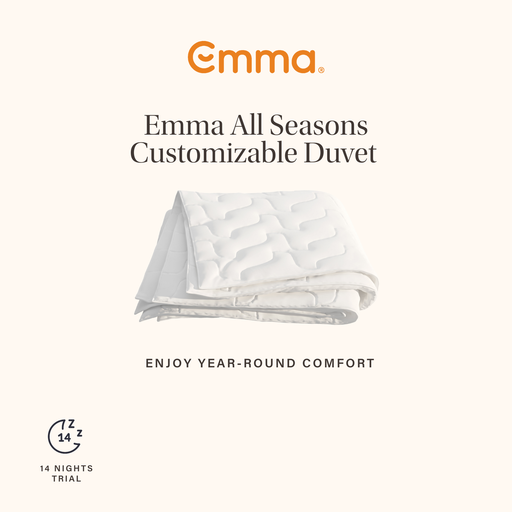
Why It Stands Out: The Emma All Seasons Duvet offers ultimate versatility. It consists of two separate duvets—a light 3.5 tog and a medium 7 tog—that can be used individually or fastened together to create a cosy 10.5 tog winter duvet. The microfibre filling is designed to be light and breathable, providing warmth without weight.
Pros:
Who is it for? Ideal for those who want maximum flexibility to adapt their bedding to every season, or for couples who have different temperature preferences.
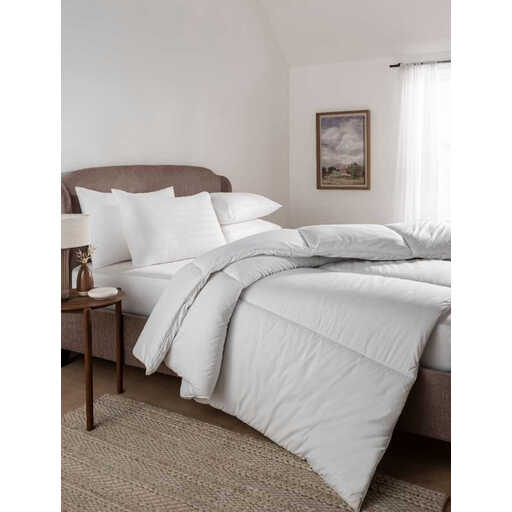
Why It Stands Out: This duvet offers a lighter all-seasons option with its 7.5 tog rating, making it well-suited for warmer sleepers or modern, well-insulated homes. The "Soft Like Down" microfibre filling and soft-touch cover provide a luxurious feel, while its anti-mite treatment offers an extra layer of reassurance for allergy sufferers.
Pros:
Who is it for? A great choice for those who find a 10.5 tog duvet too warm, or anyone looking for a Super King size duvet with a particularly soft and plush feel.
If these specific recommendations aren't quite what you're looking for, or if you need a different size or style, there are many other choices available.
? Explore our full collection of Solid Colour Bedding to find the perfect duvet for your home.
A 10.5 tog duvet is generally considered the most versatile choice for the UK, providing a good balance of warmth for most of the year. However, if you live in a very well-insulated home or tend to sleep warm, a 7.5 tog might be sufficient. For maximum adaptability, a customisable 3-in-1 system is an excellent option.
To effectively manage allergens like dust mites, it is good practice to wash your hypoallergenic duvet every two to three months. For those with severe allergies, more frequent washing may be beneficial. Always follow the specific instructions on the product's care label and ensure the duvet is completely dry before putting it back on your bed.
Both hollowfibre and microfibre are synthetic materials and are therefore excellent hypoallergenic duvet choices. Neither provides the organic matter that dust mites thrive on. The decision between them is typically based on personal preference. Hollowfibre offers firm, lofty insulation at a great value, while microfibre provides a softer, lighter and more 'down-like' feel.