
24/7 Customer Support

Free returns

Same-day & Next-day Delivery

Quality Guaranteed

Unlock Your Welcome Offers: FREE Delivery | Up to 80% OFF | Free 30-day JoyPlus trial
Download the APP
Choosing almond snacks in the UK can look straightforward until you compare ingredient lists, pack sizes and flavour coatings. A small bag may be designed for occasional indulgence, while a larger resealable pack may suit daily use, baking or family sharing. Marketing language can also make products appear more suitable for everyday eating than their nutritional information suggests.
Before buying, look beyond phrases such as “natural”, “premium” or “guilt-free”. The practical details are usually found in the ingredients, allergen statement, nutrition panel and storage instructions.
Some almond biscuits and coated snacks contain only a small proportion of almonds. For example, the Daliyuan HCD Almond Shortbread lists almonds at 0.9%, with wheat flour, peanuts, palm oil and sugar making up much of the recipe. This may be suitable if you want a crisp, mildly nutty biscuit, but it is not comparable with a pack of natural almonds or roasted almonds.
Check the quantitative ingredient declaration if you want the almonds to be the main component.
Almonds naturally contain fat, so plain nut snacks can be energy-dense even when they have no added sugar. Chocolate almonds, caramelised varieties and yoghurt-coated almond bars usually contain additional sugar and fats from their coatings.
Use the nutrition panel per 100g to compare products consistently. A serving suggestion can make a product appear lighter than it is, particularly when the pack contains several portions.
Almonds are tree nuts and must be clearly considered by anyone with a nut allergy. Some products also contain milk, soya, wheat, peanuts or sesame, while others may be manufactured in facilities handling several nuts.
Read both the ingredients list and the “may contain” statement. This is particularly important when buying gourmet nuts, mixed coatings or flavoured almonds for children or guests.
For natural almonds, look for a short ingredient list such as “Almonds (100%)”. Laila Almonds 500g, for example, contains almonds only and is supplied in a resealable pack. This format can work for eating by the handful, adding to porridge and yoghurt or using in baking.
For flavoured almonds, check how much of the pack is almonds and how much is coating. Forest Feast Salted Caramel Milk Chocolate Almonds contains 40% salted caramel almonds and 59% Belgian milk chocolate, while Forest Feast Salted Dark Chocolate Almonds contains 39% almonds and 60% dark chocolate. These are confectionery-style treats rather than plain nut snacks.
Compare:
Plain almonds and roasted almonds may have little or no added sugar, whereas chocolate almonds and almond biscuits can be considerably sweeter. Forest Feast Salted Caramel Milk Chocolate Almonds lists 36.9g of sugars per 100g, while Laila Almonds lists 4.0g. These figures help you match the product to the occasion without relying on front-of-pack descriptions.
A 90–120g pack can be convenient for personal snacking, a desk drawer, travel or sharing at a film night. Larger packs, such as Laila Almonds 500g or Bestore Crunchy Macadamia Nuts 500g, may offer more food for regular use but need careful resealing to retain texture.
Look for clear storage guidance. Most ready-to-eat nuts should be kept in a cool, dry place, away from direct sunlight and strong odours. Once opened, reseal the pack and follow the stated use-by or best-before guidance.
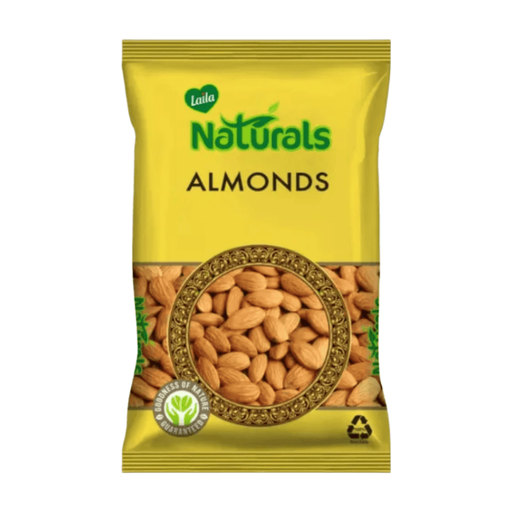
Why This Fits Their Persona: A larger single-ingredient pack suits UK shoppers who want one versatile staple for snacking, breakfast recipes and baking.
The ingredient list contains almonds only, avoiding hidden biscuit, chocolate or sweetened coatings.
500g resealable pack; suitable raw, chopped, sliced, toasted or blended.

Why This Fits Their Persona: A mixed selection of salted dark, milk and white chocolate almonds gives hosts and gift buyers three flavours in one pack.
The pack specifies almonds at 40%, making the nut-to-coating balance easier to assess.
90g shareable or giftable format; contains three chocolate coating types.
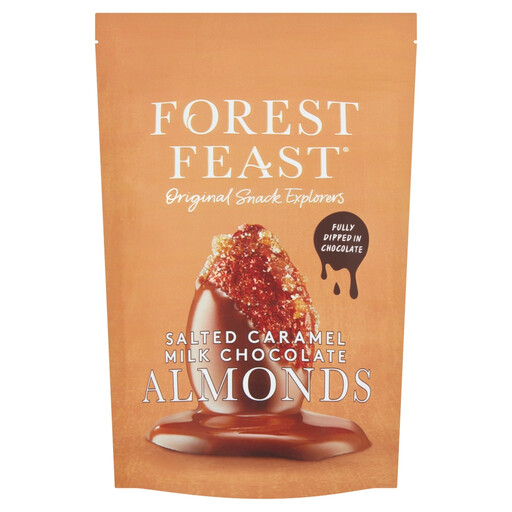
Why This Fits Their Persona: Designed for sweet-and-savoury occasions such as film nights, desk treats, entertaining or gifting.
The product clearly states its 59% Belgian milk chocolate coating and 40% almond content, so it is easy to identify as an indulgent treat.
120g pack; roasted almonds with salted caramel, sea salt and milk chocolate.
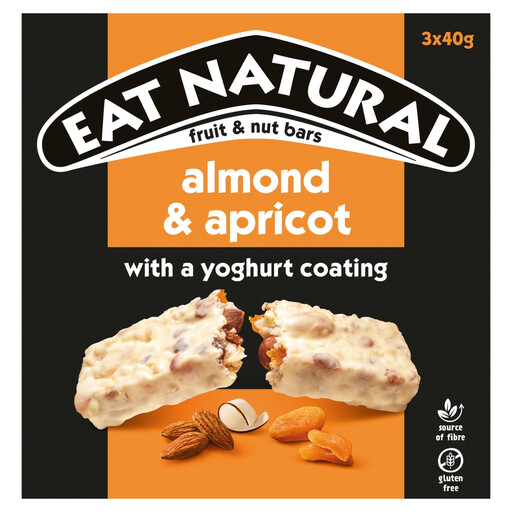
Why This Fits Their Persona: Three individually formatted bars are practical for commutes, office drawers, lunch bags and days out.
The recipe lists the yoghurt-flavour coating, apricots, coconut, honey and 10% almonds, giving a clear picture of the format.
Three ready-to-eat bars; combines roasted almonds with dried apricot and coconut.
We have compiled a complete, real-time list of products that fully satisfy these strict selection criteria and UK safety regulations.
If you enjoy variety, compare almond snacks with other ready-to-eat nuts. Macadamia nuts have a naturally buttery texture, while pecan snacks often pair well with maple, citrus or savoury seasoning. Wolong Macadamia Nuts 140g contains macadamia nuts only, whereas ChaCha Pecan Kernels with Maple Syrup & Lime lists 80% pecans with sweet and tangy flavouring.
For a savoury option, Mr Filbert’s Moroccan Spiced Almonds contains 85% roasted almonds alongside garlic, mint, coriander, chilli and other seasonings. This can suit grazing boards or entertaining when chocolate almonds would be too sweet.
It depends on the recipe and portion size. Plain or lightly roasted almonds generally have fewer added ingredients than chocolate-coated almonds, biscuits or caramelised products. Check the nutrition information and allergen statement, and follow the pack’s serving guidance.
Store unopened and opened packs in a cool, dry place away from heat and sunlight. Reseal bags after opening or transfer loose natural almonds to an airtight container. Always follow the storage instructions and check the best-before date on the packaging.
Small packs, chocolate almonds and individually portioned almond bars are convenient for bags, office drawers and journeys. Keep chocolate-coated products away from heat, and check that packaging remains sealed before carrying them. Nut allergy warnings also matter when sharing snacks in public or workplace settings.