
24/7 Customer Support

Free returns

Same-day & Next-day Delivery

Quality Guaranteed

Unlock Your Welcome Offers: FREE Delivery | Up to 80% OFF | Free 30-day JoyPlus trial
Download the APP
As a Joybuy Product Recommendation Officer, I see how shoppers are increasingly looking for refreshing alternatives to traditional fizzy drinks. The aloe vera drink, with its unique texture and hydrating reputation, has become a popular choice. However, the shelf is crowded, and not all options are created equal. Many bottles look similar, but what's inside can vary dramatically, leading to disappointing purchases.
This guide is designed to help you navigate the market. We'll highlight the common pitfalls to watch out for and break down the key factors to check, ensuring you can confidently select a drink that meets your expectations for taste, texture and composition.
Before you add a bottle to your basket, be aware of these frequent traps that can lead to buyer's remorse:
To avoid the pitfalls, focus on these three non-negotiable parameters. Understanding them will empower you to see past the marketing and choose a quality product.
The heart of any aloe vera drink is, of course, the aloe. You'll typically see two components listed:
A higher combined percentage of juice and pulp (e.g., 20% or more) often indicates a more authentic and flavourful product. Many popular Korean aloe vera drink brands, like OKF, are known for their generous pulp content.
This is arguably the most important factor for health-conscious consumers. Always check the "Carbohydrates (of which sugars)" line on the nutritional panel, looking at the value per 100ml for an easy comparison.
Aloe vera has a very mild, clean taste. Most drinks add flavour to make them more palatable.
Based on the criteria above, here are a few recommendations tailored to different preferences and needs.
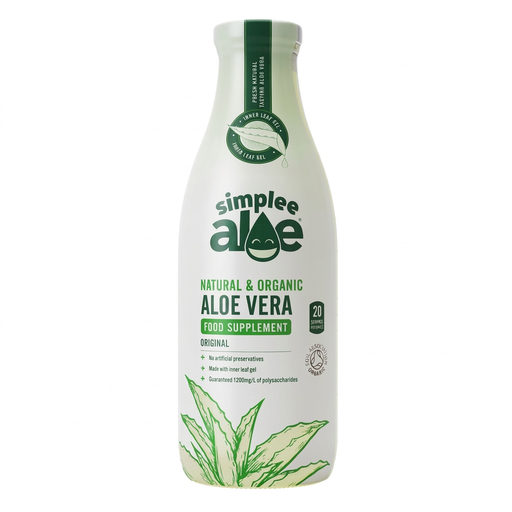
Why This Fits Their Persona: This is for someone who wants aloe vera in its purest drinkable form, without added sugars or flavourings. It's less of a soft drink and more of a hydrating supplement to be drunk on its own or mixed with water.
It completely sidesteps the sugar trap with only 0.8g of sugar per 100ml. Its 99.4% organic aloe vera content ensures you're getting exactly what you're paying for.
Extremely high organic aloe vera content (99.4%). Very low sugar and calories. Simple, clean ingredient list.

Why This Fits Their Persona: This is the quintessential Korean aloe vera drink, perfect for someone seeking an authentic, refreshing, and satisfying beverage. It's a great entry point into the world of aloe drinks, offering a balanced taste and texture.
It avoids the "aloe-last" trap with a substantial 30% total aloe content (22% juice, 8% gel). The sugar level (8.2g/100ml) is moderate and clearly stated, providing a sweet but not overpowering taste.
High content of organic aloe vera juice and pulp. Classic, well-balanced flavour that is widely enjoyed. A benchmark for quality in the category.

Why This Fits Their Persona: This is for the individual who loves the refreshing taste and texture of a flavoured aloe drink but is actively avoiding sugar and calories. It offers a guilt-free way to enjoy a hydrating beverage.
It directly targets the sugar trap by containing 0g of sugar and 0 calories. It still delivers a high aloe content (22% juice, 8% pulp), proving that "sugar-free" doesn't have to mean "aloe-free".
Zero sugar and zero calories. Still contains a high percentage of aloe vera pulp for texture. Refreshing pineapple flavour.

Why This Fits Their Persona: The large 1.5L bottle offers great value and is perfect for sharing at family meals or keeping in the fridge for everyone. Its extremely low sugar and calorie content makes it a responsible choice for all ages.
This drink excels at avoiding the sugar trap, containing just 1 kcal and 0.1g of sugar per 100ml. It also delivers on the aloe promise with a stated pulp content of at least 15%.
Large 1.5L value size. Exceptionally low in sugar and calories. Rich in Vitamin C and contains no artificial colours.
We have compiled a complete, real-time list of products that fully satisfy these strict selection criteria and UK safety regulations.
Whether a drink with pulp is "better" is a matter of personal preference. The pulp provides the chewy, unique texture that many people associate with and enjoy in an aloe vera drink. It can make the beverage feel more substantial and satisfying. From a nutritional standpoint, the presence of pulp doesn't automatically make a drink healthier, as the overall sugar and aloe content are more critical factors.
A helpful benchmark is to compare it to other beverages. Many standard fizzy drinks contain 10g of sugar or more per 100ml. For a healthier choice, look for an aloe drink with less than 5g of sugar per 100ml. If you are actively trying to reduce your sugar intake, a sugar free aloe vera option is your most suitable choice.
This depends on your goal. Pure aloe vera juice is typically unsweetened and has a more potent, sometimes bitter taste. It's often sold as a health supplement to be taken in small quantities or diluted. A ready-to-drink aloe vera drink is formulated for refreshment and taste. It's a convenient and flavourful hydrating beverage intended to be enjoyed as a pleasant alternative to other soft drinks.