
24/7 Customer Support

Free returns

Same-day & Next-day Delivery

Quality Guaranteed

Unlock Your Welcome Offers: FREE Delivery | Up to 80% OFF | Free 30-day JoyPlus trial
Download the APP
Navigating the world of aloe vera products can be tricky. Once found mainly in health food shops, the aloe vera drink now fills entire aisles, promising refreshment and natural goodness. But with so many options, it's easy to fall into common purchasing traps. As a Joybuy Product Recommendation Officer, my role is to help you see past the marketing and make choices that are right for you. Let's look at the pitfalls to avoid and what really matters when you buy aloe vera UK.
One of the most common issues is the "health halo" effect. A drink might be advertised as a natural, plant-based option, yet a quick look at the label reveals it contains as much sugar as a conventional fizzy drink. Another pitfall is vague labelling. Terms like "aloe-infused" can be misleading, often indicating a minimal amount of actual aloe vera, with the bulk of the product being water, sugar and flavourings. Finally, be wary of products that seem to do it all; a single drink is unlikely to be a one-stop solution for digestive wellness, skin hydration and hair care.
To make a confident choice, focus on a few key details on the product label. These factors separate a genuinely refreshing beverage from a sugary disappointment.
The form of aloe used significantly impacts the drink's texture and quality. When you see aloe drink with pulp (often listed as aloe vera gel), you can expect chewy, jelly-like pieces that provide a unique mouthfeel. Aloe vera juice, on the other hand, refers to the liquid component and forms the base of the drink. Some products use reconstituted aloe vera powder, which is a dried and rehydrated form.
For a more authentic experience, look for drinks that specify the percentage of aloe vera juice and gel. Higher percentages, particularly of organic aloe vera, often indicate a product focused on delivering the plant's characteristic flavour and texture.
This is a non-negotiable check. To understand the real sugar content, look at the "Carbohydrates - of which sugars" line in the nutritional information, specifically the value per 100ml.
The versatility of aloe means it's a popular ingredient in personal care. You'll find it in everything from body lotions to aloe vera conditioner. It's important to remember that these products are formulated for external use. An aloe vera for skin moisturiser will contain ingredients designed to be absorbed by the epidermis, which are entirely different from the ingredients in a beverage. Choosing the right product for the right purpose is key.
Instead of a one-size-fits-all approach, we've matched a few standout products to different needs and preferences.

Why This Fits Their Persona: This is a classic Korean aloe vera drink, perfect for someone in the UK seeking a flavourful and textured alternative to standard soft drinks. It's one of the most popular hydrating drinks for a reason: it's refreshing, not overly sweet and widely enjoyed.
It is transparent about its contents, clearly stating 22% organic aloe vera juice and 8% aloe vera gel. The sugar content (8.2g/100ml) is moderate and upfront, avoiding the "hidden sugar" pitfall.
Contains a generous amount of real aloe pulp for a satisfyingly chewy texture. The use of organic aloe vera appeals to those looking for quality ingredients.

Why This Fits Their Persona: Ideal for fitness enthusiasts, or anyone in the UK actively reducing their sugar intake. It delivers the refreshing taste and texture of an aloe drink without the associated sugar or calories.
This product directly counters the "hidden sugar" trap by being explicitly sugar free. It uses sweeteners (Sucralose, Acesulfame K) to achieve a pleasant taste without compromising dietary goals.
It offers a zero-calorie, zero-sugar hydration option that still contains real aloe vera gel pieces (8%) and organic aloe vera juice (22%), so you don't miss out on the signature texture.
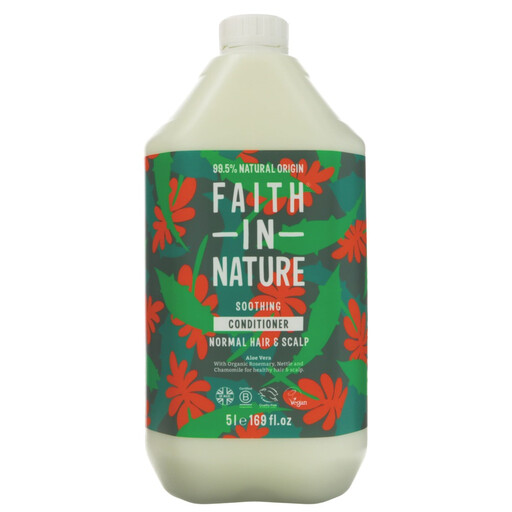
Why This Fits Their Persona: For the consumer interested in the holistic use of aloe, this product delivers its properties in a format designed for hair and scalp care. It's for those who prioritise natural ingredients, sustainability and ethical production in their personal care routine.
This avoids the "all-in-one" trap by being a dedicated aloe vera conditioner. It doesn't make beverage claims; it's formulated specifically for nourishing hair and soothing the scalp.
Formulated with 99.5% natural origin ingredients and enriched with organic aloe vera. The 5L bulk size is economical and significantly reduces plastic waste, aligning with a sustainable lifestyle.
We have compiled a complete, real-time list of products that fully satisfy these strict selection criteria and UK safety regulations.
This is entirely down to personal preference. An aloe drink with pulp provides a unique, chewy texture that many people find satisfying and more substantial. If you prefer a smoother drinking experience, similar to a standard fruit juice, then a pulp-free aloe vera juice would be a better fit. Both can be equally refreshing.
Many of the most recognisable aloe vera drinks available in the UK, such as those from the brand OKF aloe vera, originate from South Korea. They are often credited with popularising the format of a sweet, fruit-flavoured drink containing pieces of aloe gel. While brands from other countries exist, the Korean aloe vera drink style has set a benchmark for flavour and texture that many others follow.
A good rule of thumb is to compare it to other beverages. If a drink contains more than 10g of sugar per 100ml, its sugar content is on par with many fizzy drinks and squashes. For a healthier-feeling choice, look for options with less than 5g of sugar per 100ml. For those who want to avoid it altogether, there are excellent sugar free aloe vera drinks that use sweeteners for flavour. Always check the nutritional information per 100ml for an accurate comparison.