
24/7 Customer Support

Free returns

Same-day & Next-day Delivery

Quality Guaranteed

Unlock Your Welcome Offers: FREE Delivery | Up to 80% OFF | Free 30-day JoyPlus trial
Download the APP
An aloe vera drink can be a refreshing alternative to fizzy drinks, particularly when served chilled and shaken to distribute the gel. However, the front label does not always tell you how sweet the drink is, how much aloe it contains or whether the texture will suit you.
Before buying, watch for three common pitfalls:
Look beyond phrases such as “real pieces” or “natural aloe”. The ingredients list should show whether the product contains aloe vera juice, aloe vera gel or aloe vera juice and pulp, and ideally provide percentages.
For example, the OKF Aloe Vera Juice King 500ml Original lists organic aloe vera juice at 22% and aloe vera gel at 8%. Kato Aloe Nova drinks list aloe vera juice and pulp at 25%. These figures provide a more useful comparison than packaging imagery alone.
A higher stated percentage may mean a more noticeable aloe texture, but it does not automatically indicate that the drink will suit every palate. If you prefer a smoother drink, look for descriptions mentioning gentle or subtle pulp.
Bottle sizes vary considerably, from an aloe vera drink 500ml format to a family-sized aloe vera drink 1.5L bottle or an aloe vera beverage multipack.
Use the per-100ml panel to compare like for like. Examples from the listed products include:
A 500ml bottle can therefore contain considerably more sugar than the per-100ml number first suggests. Check the full bottle quantity before adding it to a daily drinks routine.
A 500ml bottle is practical for a packed lunch, commute or occasional chilled refreshment. A 1.5L bottle may be more suitable for sharing at home, but it needs refrigerator space after opening. A 20-bottle multipack can work for families or workplaces, provided the household will use it before the stated best-before dates.
For dietary preferences, check the current packaging for certification rather than relying only on search descriptions. Options labelled as halal aloe vera drink or organic aloe vera juice should be checked for the relevant certification mark, ingredient wording and any allergen information.
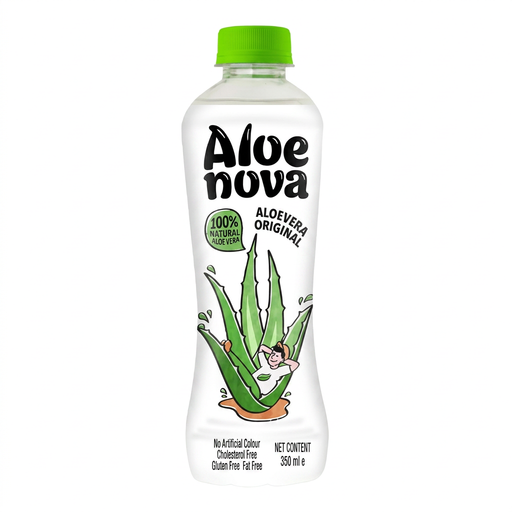
Why This Fits Their Persona: The 350ml format offers a smaller portion for shoppers trying an aloe vera drink for the first time or wanting a convenient serving for work and travel.
Its listed aloe vera juice and pulp content is 25%, making the aloe proportion easier to compare than vague front-of-pack wording.
Halal-labelled product format; available as an original flavour with aloe juice and pulp.
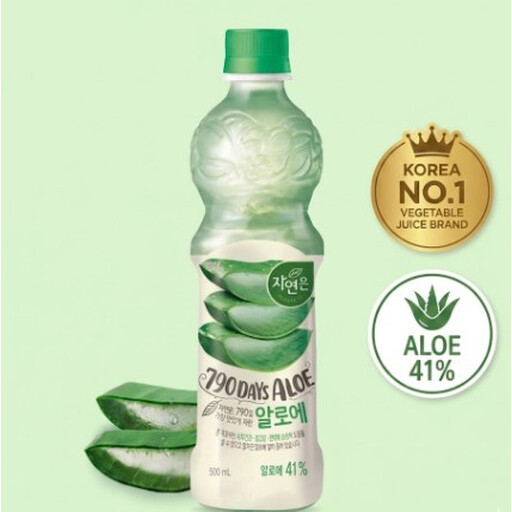
Why This Fits Their Persona: A 500ml Korean aloe vera drink with a listed 41% aloe vera content may appeal to shoppers who prioritise a pronounced aloe profile and real pulp.
The advertised aloe percentage and real pulp description give more detail than a simple “aloe-flavoured” label.
Made in Korea; described as containing crushed aloe pulp and no artificial colours.
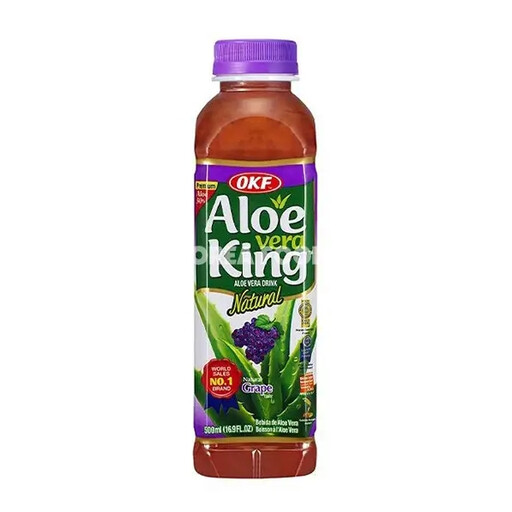
Why This Fits Their Persona: The grape flavour adds a fruity note while real aloe pieces provide the texture associated with a Korean aloe vera drink.
The product description clearly identifies aloe pieces and advises shaking before opening, addressing settling and texture expectations.
Made in South Korea; contains organic aloe ingredients according to the product listing.

Why This Fits Their Persona: Twenty individual 500ml bottles suit households, shared offices or regular shoppers who prefer ready-to-drink portions.
Individual bottles reduce the need to repeatedly open and store one large bottle, helping with portion planning and freshness.
500ml single-serve bottles; listed with 22% organic aloe vera juice and 8% aloe vera gel.
We have compiled a complete, real-time list of products that fully satisfy these strict selection criteria and UK safety regulations.
A ready-to-drink beverage and a dietary supplement serve different shopping purposes. Drinks are purchased for flavour, texture and convenience. Supplements, such as aloe vera softgels, are concentrated products with separate dosage instructions and warnings.
For example, the Swanson Aloe Vera Digestive Support softgels are labelled for adults and contain soy-derived ingredients, gelatin and aloe vera concentrate. They should not be treated as interchangeable with an aloe vera juice. Always read the supplement label, follow the stated dose and seek advice from a healthcare professional if pregnant, breastfeeding, taking medication or managing a medical condition.
Do not assume that an aloe beverage or supplement provides a medical or therapeutic effect. Choose the product according to its ingredients, intended use and your personal dietary requirements.
Some are. Compare the nutrition panel per 100ml and multiply it by the bottle size. Fruit-flavoured options such as grape, mango, lychee, peach and strawberry may contain added sugar, fructose or sweeteners. A drink labelled “light” or “refreshing” is not necessarily low in sugar.
There is no single rule for every product. Some 500ml drinks advise refrigeration and consumption within 24 hours, while larger bottles may allow several days. Always follow the storage instruction printed on the bottle or carton.
Choose 500ml for individual use, travel and easier portion control. A 1.5L bottle can offer more servings for a household, but it needs refrigerator space and careful post-opening storage. For frequent individual use, an aloe vera beverage multipack may be more convenient than repeatedly opening a large bottle.