
24/7 Customer Support

Free returns

Same-day & Next-day Delivery

Quality Guaranteed

Unlock Your Welcome Offers: FREE Delivery | Up to 80% OFF | Free 30-day JoyPlus trial
Download the APP
Aloe vera drinks can look very similar on the shelf, yet their ingredients, sugar levels, texture and serving sizes vary considerably. Some are lightly flavoured beverages with aloe pulp, while others are concentrated drinks sold as an aloe vera supplement. Comparing only the front label can therefore lead to an unsuitable purchase.
The most common buying pitfalls are:
Check whether the label lists aloe vera juice, aloe vera gel, pulp or pieces, and note the percentage of each. These terms describe different parts or formats of the drink and should not be treated as interchangeable.
For example, some OKF beverages list 22% aloe vera juice and 8% aloe vera gel, while Grace Say Aloe Natural lists at least 15% aloe vera pulp. Grace Say Aloe Vera Drink with Real Aloe Pieces Original lists 25% aloe vera, providing a noticeably textured drink.
A high aloe percentage does not automatically make a product suitable for everyone. Choose according to taste, texture and intended use rather than relying on health-related wording on packaging.
Also distinguish between a ready-to-drink aloe vera beverage and a concentrated product sold as a food supplement. Simplee Original, for example, is supplied in 1-litre bottles with a stated serving size of 50ml. Always follow the product label and do not treat a supplement-style drink as a replacement for a varied diet.
For everyday refreshment, compare the nutrition panel per 100ml, then consider the amount in the bottle. A 500ml bottle containing 8.2g of sugar per 100ml would provide 41g of sugar if consumed in full.
There are significant differences across the range:
If you are specifically looking for a sugar-free aloe vera drink, inspect the sweetener statement as well as the sugar figure. If you prefer a drink sweetened with sugar or fructose, compare total carbohydrates and serving size.
Aloe vera gel may settle at the bottom, so many products recommend shaking well before opening. This matters particularly when buying an aloe vera drink with real aloe pieces, as the texture may be uneven if the bottle is poured without mixing.
Choose the format around your routine:
Once opened, storage instructions vary. Several products require refrigeration and consumption within two to four days, while some labels provide a longer period. The packaging supplied with your order should always take priority.
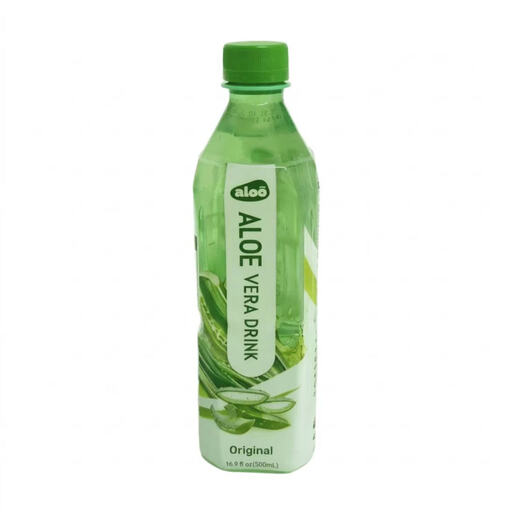
Why This Fits Their Persona: A single 500ml bottle offers a straightforward way to try aloe pulp and grape flavour without committing to a multipack.
The listing clearly states 8% aloe pulp and juice, helping shoppers distinguish it from drinks with a higher aloe percentage.
500ml bottle; grape juice concentrate and aloe pulp; no allergens listed.
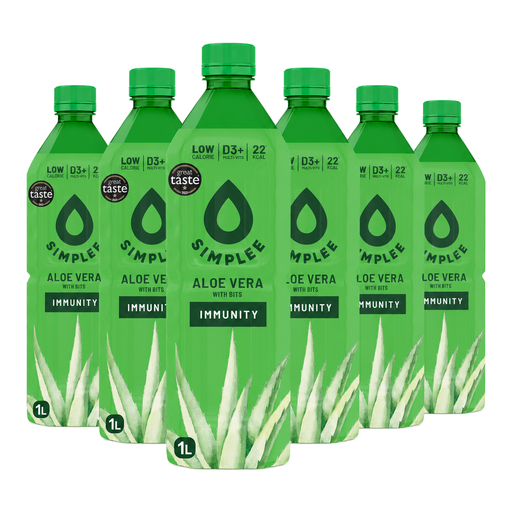
Why This Fits Their Persona: A six-bottle format suits regular users who want an organic aloe vera drink with a low-calorie profile and vegan-friendly ingredients.
Its description specifies 99.4% organic aloe vera and a 50ml serving, rather than leaving the aloe content unclear.
99.4% organic aloe vera; organic lemon juice concentrate; 0.8g sugars per 100ml.

Why This Fits Their Persona: A practical option for shoppers comparing sugar-free aloe vera drinks and preferring a tropical pineapple flavour with chewable gel pieces.
The nutrition panel states 0g sugar and 0kcal per 100ml, while the ingredients disclose the sweeteners used.
22% aloe vera juice and 8% gel; pineapple flavour; 500ml ready-to-drink bottle.

Why This Fits Their Persona: The 20-bottle multipack is suited to households, workplace fridges or shoppers who regularly serve chilled aloe beverages.
The full pack quantity and per-bottle nutrition are stated, making it easier to assess storage needs and total sugar intake.
20 x 500ml bottles; 22% aloe vera juice and 8% gel; South Korean product.
We have compiled a complete, real-time list of products that fully satisfy these strict selection criteria and UK safety regulations.
If you are comparing drinks with other formats, the same label-first approach applies. An aloe vera supplement such as Swanson Aloe Vera Digestive Support is supplied as softgels and includes ingredients such as soya bean oil and gelatine, so it may not suit vegans or people avoiding specific allergens.
For topical use, an aloe vera body lotion is a different product category from a beverage and should not be consumed. A bathing bar such as Pears Naturalé Aloe Vera Detoxifying Bathing Bar is for external use only; check its ingredient list and warnings before applying it to your skin.
Suitability depends on the product, your diet and your individual circumstances. Check the sugar, sweeteners, serving size and storage instructions. Some labels also include specific warnings, so read the packaging before consumption and treat these drinks as part of a balanced diet rather than a substitute for water or varied food.
Most products can be stored unopened in a cool, dry place, but many require refrigeration after opening. The recommended consumption window differs by product, commonly ranging from two to four days. Always follow the label on the bottle you receive.
No. A sugar-free aloe vera drink can contain approved sweeteners instead of sugar. For example, the OKF Sugar Free Pineapple drink lists sucralose and acesulfame K. Read both the nutrition table and ingredients list if you want to understand exactly how a drink is sweetened.