
24/7 Customer Support

Free returns

Same-day & Next-day Delivery

Quality Guaranteed

Unlock Your Welcome Offers: FREE Delivery | Up to 80% OFF | Free 30-day JoyPlus trial
Download the APP
Aloe vera drinks can look similar on the shelf, yet the differences in aloe content, sugar, sweeteners, flavouring, bottle size and storage instructions can significantly affect which product suits your household. A 500ml bottle for an occasional chilled drink is a very different purchase from a 1.5L bottle or an aloe vera drinks multipack for regular use.
As the Joybuy Product Recommendation Officer, I focus on the details behind the front-of-pack claims so you can compare products more confidently and avoid paying for features that do not match your preferences.
Aloe vera drinks may contain juice, gel, pulp or a combination of these ingredients. The percentage can vary considerably. For example, some drinks list 8% aloe vera gel alongside 22% aloe vera juice, while others list aloe vera pulp at 15%, 20%, 25% or 30%.
If you specifically want an aloe vera drink with pulp or aloe vera juice with real aloe pieces, check the ingredients rather than relying on the product name. Texture can range from a smooth drink with fine gel particles to a bottle containing more noticeable, jelly-like pieces.
A sugar-free aloe vera drink may still contain sweeteners such as sucralose or acesulfame K. This is different from a drink with no sweetening ingredients at all. Likewise, “lightly sweetened” does not necessarily mean low in sugar.
Compare the nutrition panel per 100ml and consider the serving size. A 500ml bottle containing 8.2g of sugar per 100ml provides 41g of sugar across the full bottle. A low-calorie drink may instead use sweeteners, so read both the nutrition table and ingredients list.
Large bottles can offer better value for family use, but they require fridge space and should usually be consumed within a stated period after opening. Smaller bottles are easier to chill and take to work, school or social events, but the price per litre may be higher.
Always check whether the label says to shake well, refrigerate after opening and consume within 24 hours, 48 hours or several days. Aloe gel and pulp can settle naturally at the bottom.
For a drink with visible pieces, look for wording such as aloe vera pulp, aloe vera gel or aloe vera juice and pulp. Grace Say Aloe Natural 1.5L lists at least 15% aloe vera pulp, while Kato Aloe Nova beverages list aloe vera juice and pulp at 25%.
Some products use a smoother gel texture. OKF Aloe Vera Juice King Original lists 22% organic aloe vera juice and 8% aloe vera gel. This gives you a useful comparison point when deciding between a lightly textured drink and one with more noticeable pieces.
Flavoured aloe vera drinks can contain sugar, fructose, cane sugar, honey or sweeteners. The figures vary:
These products suit different preferences. If you want to reduce sugar from drinks, check the full ingredients panel rather than selecting based on flavour or front-label wording alone.
Original aloe vera drinks usually have a mild, clean profile, sometimes with grape flavouring. Mango, strawberry, lychee and passionfruit versions offer a more fruit-forward alternative. A 500ml bottle works well for individual consumption, while a 1L or 1.5L bottle is more practical for sharing at home.
For regular stocking, compare the cost per litre, opening life and available storage space. A multipack may be convenient for offices, family cupboards or gatherings, but only represents good value if the flavour and sweetness suit the people drinking it.
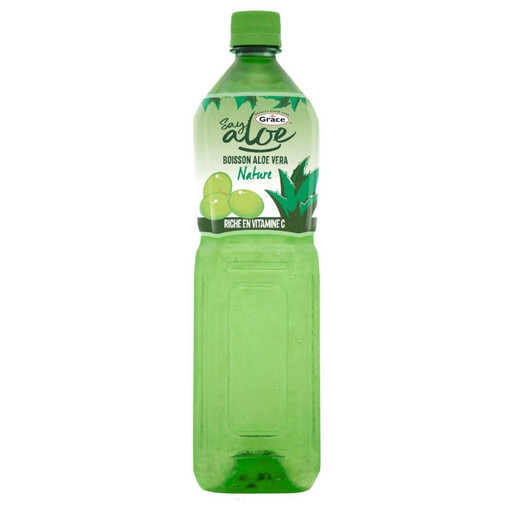
Why This Fits Their Persona: The 1.5L format is suitable for sharing at home, while the low listed sugar content may appeal to shoppers comparing everyday soft drink alternatives.
The ingredient and nutrition information clearly distinguishes its 15% or more aloe pulp and 0.1g sugar per 100ml from conventional sweetened options.
Large 1.5L bottle; contains aloe vera pulp and uses sucralose rather than a high sugar content.
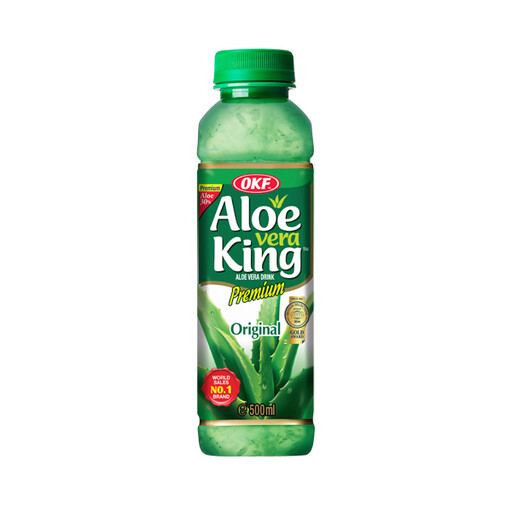
Why This Fits Their Persona: A compact bottle for shoppers who want to compare a named aloe vera juice with a defined juice and gel percentage before committing to a larger format.
The label specifies 22% organic aloe vera juice and 8% aloe vera gel, rather than leaving the type of aloe ingredient unclear.
500ml ready-to-drink bottle; includes 30% combined juice and gel and a natural grape flavour.
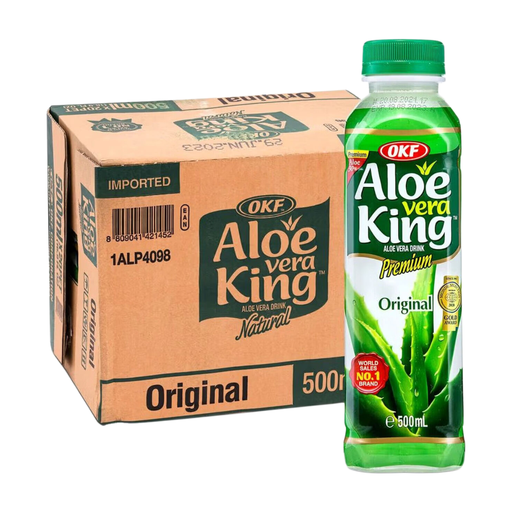
Why This Fits Their Persona: A 20-bottle aloe vera drinks multipack suits offices, events, larger households and shoppers who regularly choose individual chilled drinks.
The pack format makes the total quantity clear, while the 500ml bottle size avoids repeatedly opening a large bottle and managing a short refrigerated shelf life.
Twenty 500ml bottles; each contains the same listed 22% juice and 8% gel formulation as the individual original drink.
We have compiled a complete, real-time list of products that fully satisfy these strict selection criteria and UK safety regulations.
Unopened products generally follow the storage instructions on the packaging and can often be kept in a cool, dry place. Once opened, most should be refrigerated and consumed within the stated period, commonly 24 hours to several days. Shake the bottle before serving if pulp or gel has settled.
Some are, but not all. OKF Sugar Free Pineapple lists zero sugar and zero calories per 100ml, while using sweeteners. Other aloe vera juice and flavoured drinks contain cane sugar, fructose, honey or fruit sugars. Always compare the nutrition panel and ingredients.
Choose 500ml bottles for individual servings, travel or controlled portions. A 1L or 1.5L bottle is more suitable for sharing, provided you have fridge space after opening. Multipacks can work well for workplaces, families and events, but compare the total volume and flavour preferences before ordering.