
24/7 全天候客户支持

免费退货

当日/次日达

品质保障

开启新人专享福利: 全场免邮 | 低至 2 折 | 免费试用 30 天 JoyPlus 会员
下载 Joybuy
Whether you're planning a large family gathering, organising a community event or simply looking for ways to make batch cooking more efficient, the post-meal clean-up can be a daunting task. Washing up piles of roasting tins and serving dishes is rarely the highlight of anyone's day. This is where the practicality of aluminium foil trays comes in.
These simple yet effective kitchen staples offer a convenient solution for cooking, serving, storing and transporting food, saving you valuable time and effort. However, not all foil trays are created equal. From flimsy containers that buckle under pressure to sizes that don't quite fit your needs, choosing the right one is key. This guide is designed to help you navigate the options and find the most suitable foil trays for your specific purpose, from a Sunday roast to a large-scale catering job.
Before adding to your basket, consider a few key factors to ensure you get a product that performs reliably.
The first step is to match the tray to the task. Are you presenting a cold buffet or roasting a large joint of meat?
A tray's rigidity is crucial, especially when it's full of hot food. Look for trays made from a good gauge of aluminium that feel sturdy and less likely to bend. Most importantly, always confirm that they are described as oven safe foil trays. For added stability when moving a full, hot tray in or out of the oven, it's always a good practice to place it on a solid baking sheet.
For meal prepping, storing leftovers or transporting food to an event, foil containers with lids are incredibly useful. A well-fitting lid protects the contents, prevents spills and helps to keep food fresh in the fridge or freezer. They also allow for neat stacking, which is a great space-saver. This feature makes them a practical choice for small food businesses or anyone needing reliable takeaway containers.
Here are a few recommendations that cater to different needs, from home cooking to larger events.
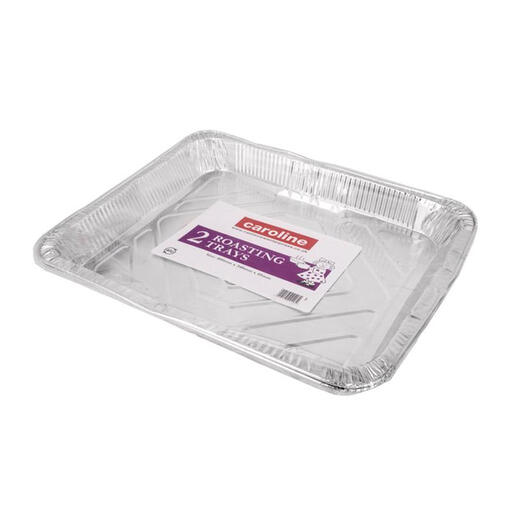
Why It Stands Out: This tray is built for substantial meals. With a generous size of 400 x 340mm and a practical depth of 45mm, it provides ample space for a family-sized roast chicken, a large batch of roasted vegetables or a traybake. Its design is focused on reliable oven and freezer performance.
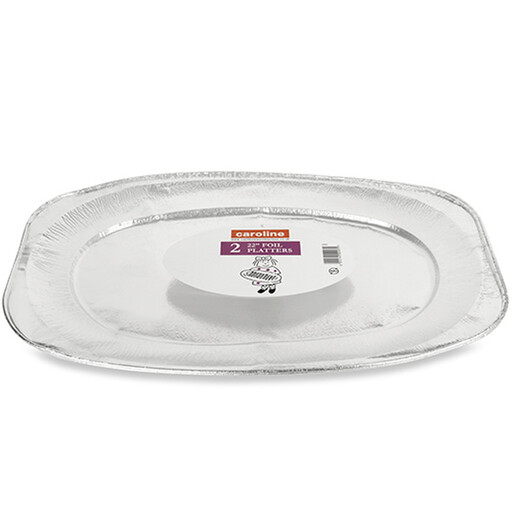
Why It Stands Out: When presentation matters, this large 22-inch platter delivers. It's designed specifically for serving and displaying food at events. Its lightweight yet sturdy construction makes it easy to handle, even when laden with food. It's suitable for both hot and cold dishes, making it a versatile option for any buffet table.
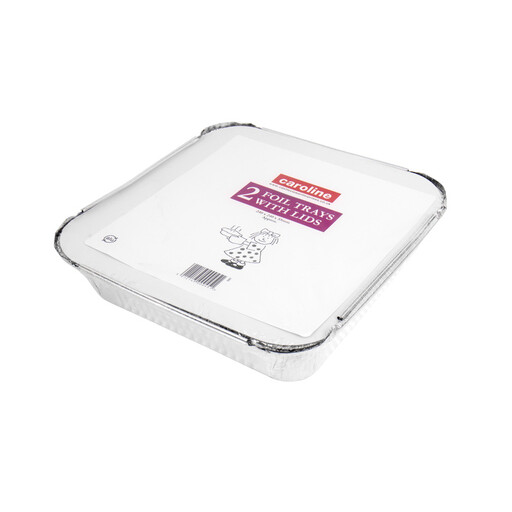
Why It Stands Out: This tray's key feature is its matching lid, making it a standout choice for preparing, storing and transporting meals. The square shape and 35mm depth are ideal for pasta bakes, curries and foil baking trays for brownies or flapjacks. It allows you to cook and store in the same container, streamlining your kitchen workflow.
If the sizes or shapes featured here aren't exactly what you need, there is a wider variety of options available. From different dimensions to multi-pack quantities, you can find a tray that perfectly suits your cooking or catering requirements.
Explore our full range of foil rectangle tray to find the perfect fit for your kitchen.
Yes, the vast majority of aluminium foil trays are designed to be oven-safe. They can withstand typical cooking temperatures, making them suitable for roasting, baking and reheating. However, it is always wise to check the product's specific guidelines. For better stability and to prevent accidents, place the foil tray on a sturdy, flat baking sheet before putting it in or taking it out of the oven.
Absolutely. Aluminium foil containers are an excellent choice for freezer storage. They are resistant to the cold and help protect food from freezer burn. Foil containers with lids are particularly effective, as the lid provides an extra barrier. This makes them ideal for batch cooking and long-term meal planning.
Aluminium is widely recyclable in the UK. To prepare a used foil tray for recycling, you should first remove any large food scraps and give it a quick rinse to clean off any grease or residue. Once clean and dry, it can usually be placed in your household recycling bin. However, recycling capabilities can vary by council, so it's always a good idea to check your local authority's guidelines.