
24/7 Customer Support

Free returns

Same-day & Next-day Delivery

Quality Guaranteed

Unlock Your Welcome Offers: FREE Delivery | Up to 80% OFF | Free 30-day JoyPlus trial
Download the APP
Whether you are batch-cooking for the freezer, preparing food for a village fête or running a busy takeaway counter, the right aluminium foil trays and catering foil can reduce washing-up and simplify transport. The wrong choice, however, may tear under a roast, lack enough depth for a pie or leave you with far more packaging than you can use.
This guide explains which specifications matter, where common buying traps appear and which formats suit different UK cooking and catering situations.
A large pack of disposable foil trays may appear economical, but the useful comparison is cost per tray, capacity and intended portion size. A cheap small tray may not hold a family-sized bake, while a large pack can create unnecessary storage problems for occasional users.
Check:
“Ovenable” does not mean suitable for an open flame, hob or microwave. Aluminium foil trays should generally be placed on a baking sheet for stability, particularly when they contain liquid fillings. Keep foil away from exposed heating elements and naked flames.
Always follow the product packaging and appliance instructions. Several kitchen foil products listed for cooking also specify that they are not suitable for microwave ovens.
Aluminium is widely recyclable, but acceptance varies between UK councils and waste contractors. Foil trays and sheets normally need food residue removed before recycling. Check local guidance rather than assuming every used tray belongs in the household recycling bin.
For less waste, consider reusing sturdy foil platters where appropriate, then recycle them when they are no longer suitable.
For everyday wrapping, lining and covering, standard aluminium cooking foil can be practical and flexible. For large joints of meat, full-size roasting tins or food transport, a thicker product is less likely to split during handling.
For example, Castleview heavy-duty catering foil is listed at 18 microns, while several household and barbecue baking foil options are listed at 11 or 15 microns. Thickness is only one factor, but it offers a useful starting point:
Avoid prolonged contact between uncoated aluminium and highly acidic or salty foods, such as tomato, citrus or vinegar-based dishes, unless the product instructions state that it is suitable.
The right tray depends on the recipe and serving plan. Shallow foil pie dishes are suitable for pastry and tarts, while deeper disposable baking trays are more practical for lasagne, curries and layered dishes.
Useful examples include:
If you will move food from the oven to a buffet table, select a tray that leaves a little space at the top. Overfilling increases the risk of spills and makes the tray harder to carry safely.
Foil trays with lids are particularly useful for meal preparation, takeaway service and community food events. A fitted lid helps protect food during transport and makes stacking easier, but allow hot food to cool before fitting it unless the product instructions say otherwise.
For large events, compare the pack quantity with your menu. Packs of two or three foil platters may suit occasional entertaining, while packs of six, seven or 50 smaller containers can be more practical for batch preparation or food stalls.
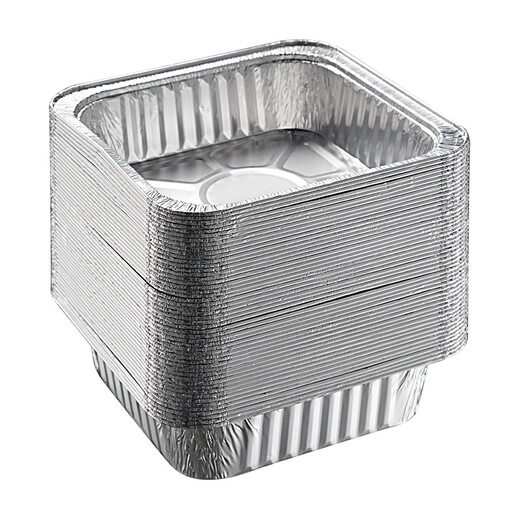
Why This Fits Their Persona: A 50-piece pack gives new hosts, food stalls and picnic organisers a substantial supply for small portions, snacks and informal serving.
The pack quantity is clear, so you can compare supply against the number of portions required rather than relying on a low headline price.
50 square aluminium foil plates; listed as suitable for baking, grilling, parties and daily use.
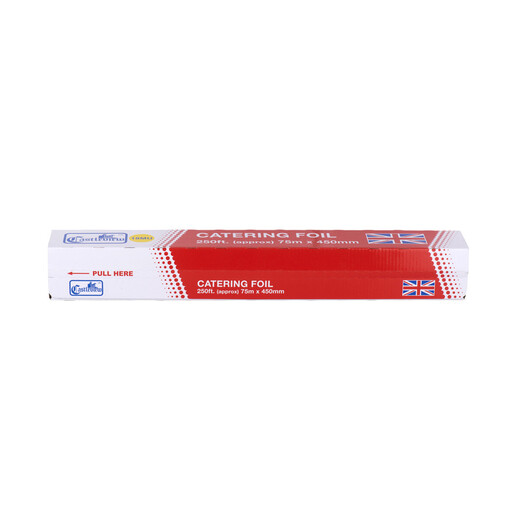
Why This Fits Their Persona: Professional kitchens, caterers and frequent batch-cooks may benefit from a wide, long roll designed for larger coverage and regular use.
Its stated 18-micron thickness and 450mm width make the specification easier to assess than vague “strong” or “professional” wording.
18-micron aluminium; 450mm x 75m roll; suitable for wrapping, lining, roasting and storage.
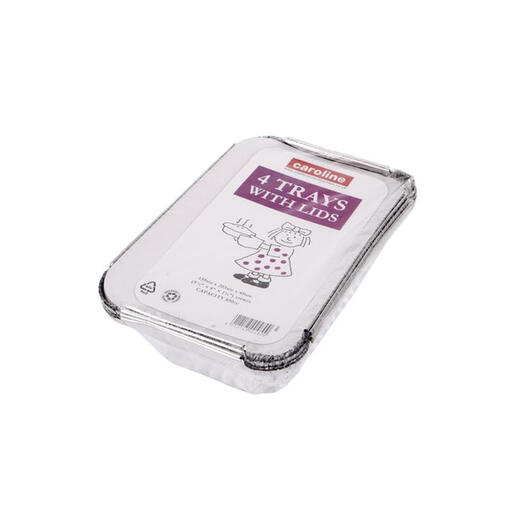
Why This Fits Their Persona: The 30oz format is suited to prepared meals, pasta bakes, curries and desserts that need covering, refrigeration or transport.
The capacity and dimensions are specified, while the included lids address the common hidden-cost issue of buying covers separately.
Four 30oz trays; 139 x 203 x 45mm; ovenable and supplied with fitted lids.
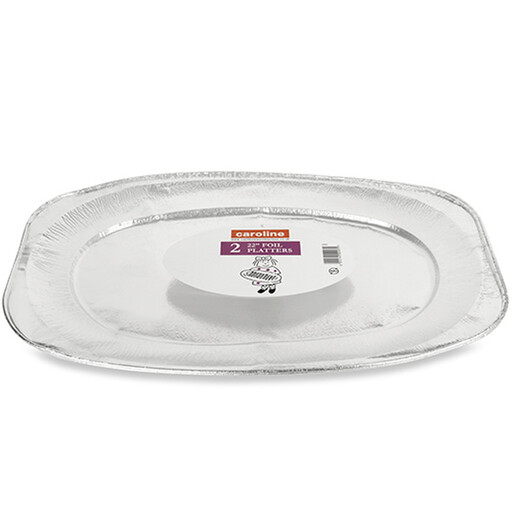
Why This Fits Their Persona: The broad format is designed for buffets, celebrations, office catering and events where food presentation and table coverage matter.
The 550 x 362 x 28mm dimensions show the available surface area, helping prevent the mistake of ordering a platter that is too small.
22-inch size; pack of two; listed as reusable and recyclable for hot or cold food presentation.
We have compiled a complete, real-time list of products that fully satisfy these strict selection criteria and UK safety regulations.
Many trays are listed as ovenable, but suitability depends on the product instructions. Place a filled tray on a baking sheet for support and keep it away from direct heating elements and flames.
Do not assume it can. Several foil products carry a warning against microwave use. Follow the specific product label and your microwave manufacturer’s guidance.
Remove as much food residue as possible and check your local council’s recycling rules. Clean aluminium foil and trays may be accepted in some areas, but collection arrangements differ across the UK.