
24/7 全天候客户支持

免费退货

当日/次日达

品质保障

开启新人专享福利: 全场免邮 | 低至 2 折 | 免费试用 30 天 JoyPlus 会员
下载 Joybuy
By Joybuy Product Recommendation Officer
If you are comparing an amino acid recovery powder, the label can make every product look similar. EAA supplement, BCAA powder and glutamine recovery powder listings often use impressive-sounding language, but the practical differences usually come down to formulation, serving size, dietary suitability and how easily the powder fits your routine.
For UK gym-goers, runners, HIIT participants and bodybuilders, three buying traps appear frequently:
The three main categories serve different shopping needs:
A product combining EAAs, BCAAs and glutamine may be more convenient if you do not want to buy several separate tubs. However, compare the amount per serving carefully. The overall powder weight alone does not tell you how much leucine or total essential amino acids you receive.
A 390g tub and a 250g pouch cannot be compared fairly by weight alone. Look for:
For example, some products use a 5g serving, while others recommend 7g, 9g, 10g or 13g. This affects cost per serving and how long the product lasts. If the powder settles during storage, weighing the serving may be more consistent than relying only on a scoop.
An intra-workout amino acids drink needs to be pleasant enough to sip during exercise. Fruit flavours such as raspberry, grape, tropical and peach can suit shoppers who prefer a flavoured drink, while an unflavoured amino acid supplement can be added to water, juice or a protein shake.
Also check the full label for:
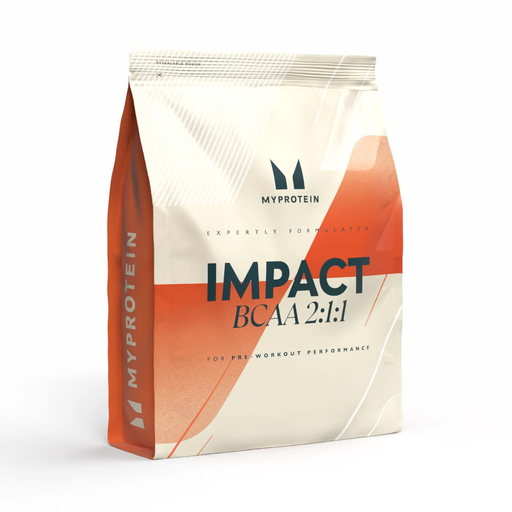
Why This Fits Their Persona: The 500g format provides 100 listed servings, making it suitable for regular gym sessions and shoppers comparing cost per serving for ongoing use in the UK.
The listing states the serving size and 2:1:1 breakdown clearly, reducing confusion between total tub weight and actual daily intake.
Provides 2g leucine, 1g isoleucine and 1g valine per 5g serving; listed as suitable for vegans and vegetarians.
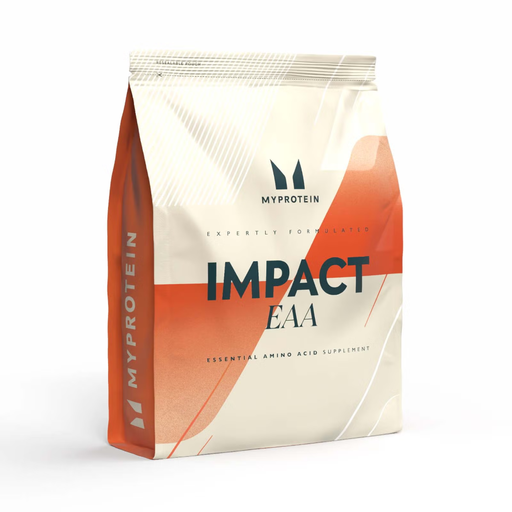
Why This Fits Their Persona: This option suits adults who want all nine EAAs, zero sugar and an unflavoured powder that can be added to a preferred drink before or after training.
The ingredient list is centred on an essential amino acid blend, avoiding a product choice based only on a flavour or broad recovery slogan.
Lists all nine EAAs, zero sugar and zero calories; the unflavoured format offers flexible mixing.
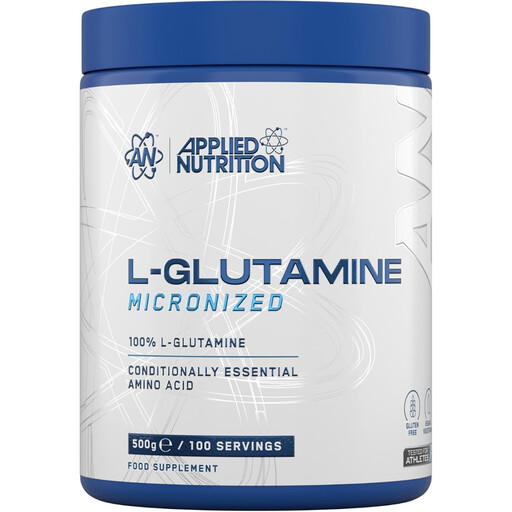
Why This Fits Their Persona: A single-ingredient glutamine powder suits athletes and frequent trainers who already obtain EAAs elsewhere and want a larger format for repeated use.
It does not bundle several amino acids behind a general claim: the label identifies 100% micronised L-glutamine as the ingredient.
Provides 5g L-glutamine per approximately 5g serving; unflavoured and suitable for mixing with water, juice or a protein shake.
We have compiled a complete, real-time list of products that fully satisfy these strict selection criteria and UK safety regulations.
Most listed products are designed for use before, during or after exercise, but timing should not distract from overall nutrition. A recovery powder is a supplement rather than a replacement for meals, adequate protein, fluids or a varied diet.
Mix the product according to its label, use the stated liquid volume and do not exceed the recommended intake. For products containing electrolytes, such as BCAA hydration powders, account for the sodium and other minerals if you already use sports drinks.
Some EAA and BCAA powders are listed as suitable for vegans or vegetarians, but this is product-specific. Check the ingredient list and allergen statement each time, especially where the packaging says the product is made in a facility that handles milk, soy, gluten or other allergens.
Generally, many unflavoured products are intended to mix with water, juice or a protein shake. Follow the product directions and consider the combined serving sizes, sweeteners and total daily intake. Avoid adding multiple supplements without checking whether you are duplicating ingredients.
This depends on the serving size and number of servings. A 500g BCAA product with 100 five-gram servings lasts longer than a 250g product used at 9g per serving. Calculate container weight ÷ serving size, then check the manufacturer’s recommended daily amount and storage guidance on the label.