
24/7 全天候客户支持

免费退货

当日/次日达

品质保障

开启新人专享福利: 全场免邮 | 低至 2 折 | 免费试用 30 天 JoyPlus 会员
下载 Joybuy
Amino acid recovery powder can be a convenient addition to a gym, running or home-training routine. However, colourful packaging and ambitious performance language can make products difficult to compare. The useful differences are usually found in the serving information, amino acid profile, sweeteners, electrolytes and dietary suitability—not on the front of the tub.
Before buying, UK shoppers should look beyond claims about rapid recovery or reduced soreness. A supplement should support a balanced diet and training plan, rather than replace meals, rest or ordinary hydration.
A BCAA recovery powder normally provides three branched-chain amino acids: leucine, isoleucine and valine. An EAA supplement powder contains the nine essential amino acids that the body cannot produce itself. Some products combine both, while others provide BCAAs only.
Neither format is automatically suitable for every user. If you want a broader amino acid profile, check that the label lists all nine EAAs. If you simply want a straightforward BCAA drink, a three-amino-acid formula may be easier to compare and dose.
A zero-sugar amino acid powder may still contain flavourings, acids, sweeteners or amino acids that contribute some energy. Compare the nutrition panel per serving, not just the front-of-pack wording. For example, several products in this range list approximately 4 kcal per 10g serving, while some EAA products state zero calories.
Also check the sweetener list. Sucralose and acesulfame K are used in a number of flavoured powders. This is not necessarily a problem, but it may matter if you prefer a shorter ingredient list or dislike a particular aftertaste.
A plain BCAA and EAA powder mixed with water is not the same as an amino acid hydration powder. If hydration is important during long runs, HIIT sessions or heavily sweaty training, look for clearly listed electrolytes such as sodium, potassium and magnesium. Without these, the product may be primarily an amino acid drink rather than an electrolyte formula.
Look for the exact quantity per serving of leucine, isoleucine, valine and, where relevant, glutamine. Some BCAA powders use a 2:1:1 ratio, such as 2g leucine, 1g isoleucine and 1g valine per 5g serving. Other formulas use a 4:1:1 ratio or provide a larger serving with all nine EAAs.
A formula containing glutamine may appeal to people looking for a glutamine recovery supplement, but it is important to distinguish listed ingredients from guaranteed physiological outcomes. The product label should remain the deciding source for dosage and composition.
For an intra-workout amino acids drink, check whether the formula contains meaningful electrolyte quantities. Applied Nutrition BCAA Amino Acids Hydration Powder lists approximately 0.8g sodium, 0.6g potassium and 0.3g magnesium per 10g serving, alongside BCAAs and glutamine. These figures are useful for comparing the product with a plain amino acid powder.
Do not use a supplement as your only source of fluids during exercise. Water intake should reflect the session, weather and individual needs, particularly during outdoor training in the UK.
A large tub is not always better value. Calculate the number of servings from the recommended dose. A 500g BCAA tub with a 5g serving provides around 100 servings, while a 250g tub at the same serving size provides around 50.
Check the recommended water volume too. Recovery powders in this selection vary from around 150ml to 500ml per serving. A smaller volume can suit a quick post-workout drink; a larger volume may be more practical for sipping during training.
Vegetarians and vegans should check the complete ingredient and allergen statement. Several MyProtein BCAA and EAA products are labelled as suitable for vegetarians and vegans, although some products state that they may contain milk or are made in facilities handling milk.
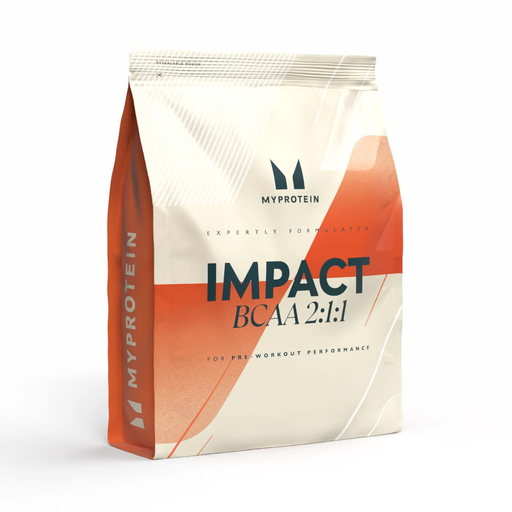
Why This Fits Their Persona: The 500g tub lists 100 servings at 5g each, making it suitable for adults starting a consistent BCAA routine and comparing cost per serving.
The label states the exact 2:1:1 BCAA quantities: 2g leucine, 1g isoleucine and 1g valine per serving.
500g format, peach and mango flavour and product information states suitability for vegetarians and vegans.
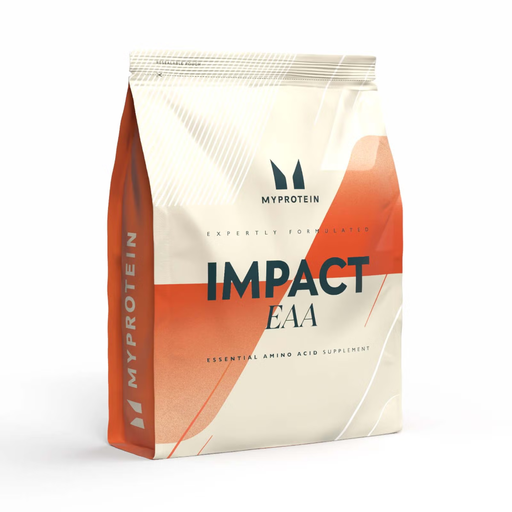
Why This Fits Their Persona: This compact EAA formula suits adults who want all nine essential amino acids and prefer a clearly itemised profile for post-workout use.
The product information lists each of the nine EAAs and states zero sugar and zero calories.
Raspberry lemonade flavour, 9g serving size and Informed Choice certification stated in the supplied product details.
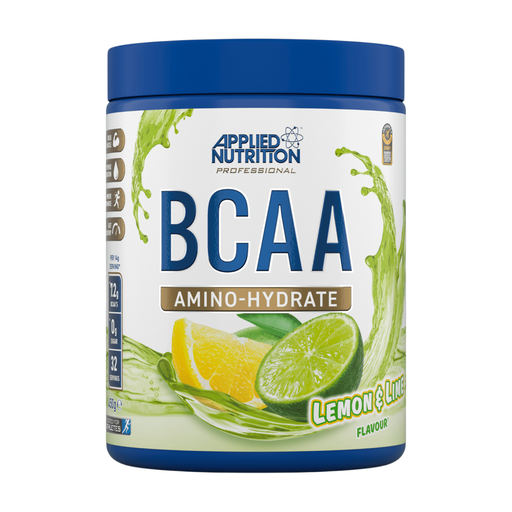
Why This Fits Their Persona: The combination of amino acids and listed electrolytes is suited to adults doing longer, hotter or higher-sweat training sessions.
Unlike a basic BCAA powder, the supplied details identify sodium, potassium and magnesium quantities per 10g serving.
450g tub, lemon and lime flavour, BCAAs, glutamine and electrolytes in one mix.
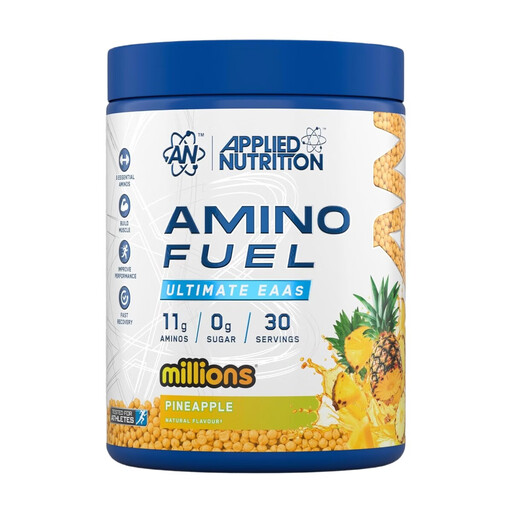
Why This Fits Their Persona: A 390g tub with a tropical pineapple flavour can suit adults who want one powder for before, during or after training.
The supplied nutrition information lists EAAs, BCAAs and glutamine, with a stated 10g serving and maximum of two scoops daily.
Approximately 8g amino acids per 10g serving, zero sugar listed and mixing instructions for 250–350ml of cold water.
Follow the product label rather than copying another person’s serving size. Many products are mixed with cold water and used before, during or after exercise. A post-workout recovery powder may be convenient after a late gym session, while an intra-workout drink can be easier to sip during a longer session.
Avoid stacking several products with overlapping BCAAs, EAAs or glutamine unless you have checked the combined intake. Food supplements are generally intended for adults and should not replace a varied, balanced diet. If you are pregnant, breastfeeding, under medical supervision, taking prescription medication or managing a medical condition, seek advice from a qualified healthcare professional before use.
We have compiled a complete, real-time list of products that fully satisfy these strict selection criteria and UK safety regulations.
Some products provide daily serving instructions, while others specify a maximum number of servings. Check the individual label and do not exceed its stated dose. Daily use should fit within your overall diet and supplement routine.
Choose a BCAA formula if you specifically want leucine, isoleucine and valine. Choose an EAA formula if you want all nine essential amino acids. A BCAA and EAA powder combines both, but compare the actual quantities and serving size before paying more.
Divide the net weight by the recommended serving size. For example, a 500g tub used at 5g per serving provides approximately 100 servings. A 390g product used at 10g per serving provides approximately 39 servings, before allowing for measuring variation. Always use the stated label dosage and store the powder sealed in a cool, dry place.