
24/7 Customer Support

Free returns

Same-day & Next-day Delivery

Quality Guaranteed

Unlock Your Welcome Offers: FREE Delivery | Up to 80% OFF | Free 30-day JoyPlus trial
Download the APP
Pushing through a tough workout is one thing, but the muscle soreness that follows can make the next few days a challenge. Many active people in the UK turn to an amino acid recovery powder to help speed up recovery and get back to their training sooner. However, the market is flooded with options, and it's easy to choose a product that's more marketing hype than effective formulation.
As a Joybuy Product Recommendation Officer, my role is to help you navigate this complex market. We'll look at the common pitfalls that lead to a poor purchase and highlight the key factors to consider, ensuring you find a supplement that genuinely supports your fitness goals.
Before you add a tub to your basket, be aware of these frequent issues that can lead to wasted money and disappointing results:
To ensure you're buying an effective product, focus on these three non-negotiable factors.
Amino acids are the building blocks of protein. There are nine essential amino acids (EAAs) that your body cannot produce on its own and must get from your diet or supplements. The branched-chain amino acids (BCAAs) are a group of three EAAs: Leucine, Isoleucine and Valine.
If your goal is overall recovery and muscle building, a formula containing all nine EAAs is a more robust choice.
Leucine is widely regarded as the primary trigger for muscle protein synthesis (the process of building new muscle). When analysing a product, look for a serving that provides at least 2-3 grams of L-Leucine. A product with a high BCAA ratio, such as 4:1:1 (Leucine:Isoleucine:Valine), prioritises this key amino acid. If the label doesn't clearly state the Leucine content, it's a red flag.
Beyond the core amino acids, many powders include extra ingredients.
Here are a few options that align with different user needs, based on their formulation and transparency.
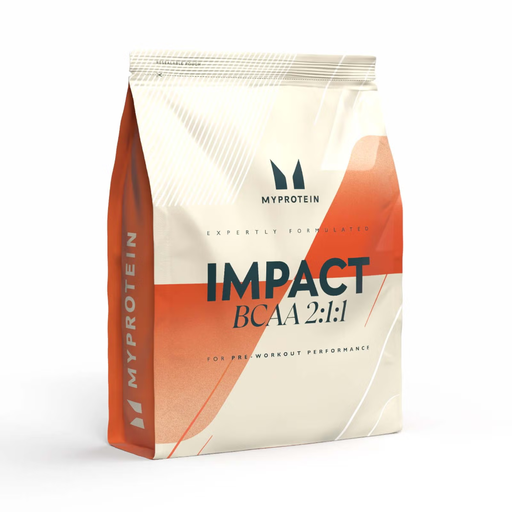
Why This Fits Their Persona: This is a great entry point for anyone new to amino acid supplements. It offers a large number of servings (100 per tub) at a very competitive price point, providing excellent value for long-term, consistent use without a large initial investment.
It clearly states the 2:1:1 ratio and the exact amount of each BCAA per serving, avoiding the 'proprietary blend' trap. The formula is also sugar-free.
Provides 2g of L-Leucine per serving to support muscle maintenance. It's also suitable for vegetarians and vegans.
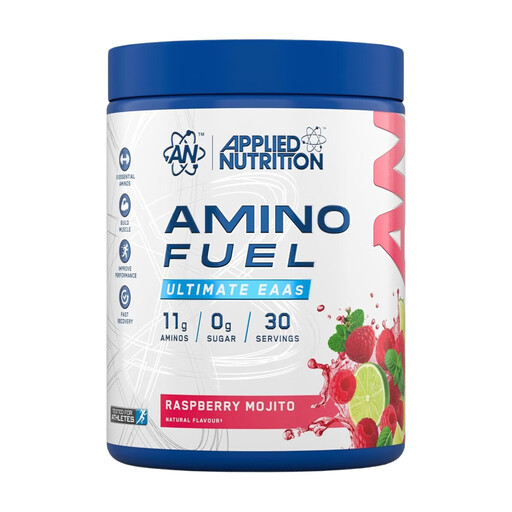
Why This Fits Their Persona: For those engaged in regular, high-intensity training, this formula offers a comprehensive approach. It combines a full EAA profile with added L-Glutamine, an amino acid that supports gut health and recovery, making it a robust choice for serious athletes.
This product avoids the BCAA-only trap by providing all nine EAAs. It is also a sugar-free formula, preventing the intake of unnecessary calories post-workout.
Delivers a substantial 3.5g of L-Leucine per serving. The triple-action formula of EAA, BCAA and Glutamine supports comprehensive muscle recovery.
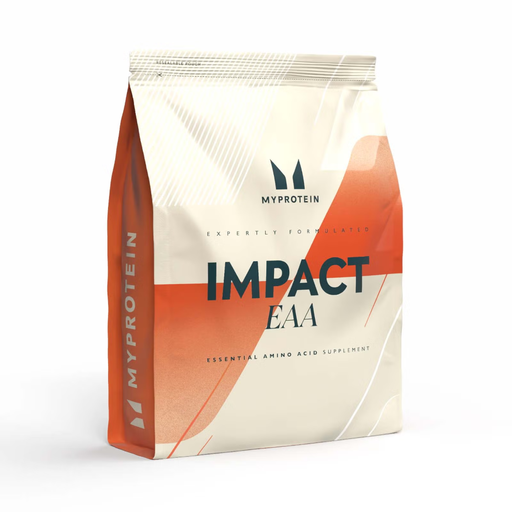
Why This Fits Their Persona: This is an ideal choice for individuals on a plant-based diet or anyone looking for a clean, minimalist formula. It's vegan-friendly and contains zero sugar and zero calories, fitting perfectly into strict dietary plans without compromising on a complete amino acid profile.
It provides a full EAA profile with a transparent ingredient list and a high 4:1:1 BCAA ratio. The zero-sugar, zero-calorie formula avoids the pitfall of hidden fillers.
Contains all 9 essential amino acids and is suitable for vegans. It also has a faster absorption rate than whey protein, according to the manufacturer.
We have compiled a complete, real-time list of products that fully satisfy these strict selection criteria and UK safety regulations.
This depends on the type. BCAA-focused powders can be sipped during your workout (intra-workout) to help with endurance. More comprehensive EAA formulas are typically consumed within 30-60 minutes after your workout (post-workout) to kick-start the muscle repair process. Some people also take them on rest days to support continuous recovery.
It depends on your goals and timing. Amino acid powders are "free-form," meaning they don't require digestion and are absorbed very quickly. This makes them ideal for immediate post-workout use. Whey protein takes longer to digest but provides a more sustained release of amino acids. Some people use an EAA drink immediately after training and a protein shake an hour or two later as a meal replacement or snack.
Yes, most amino acid powders are a suitable option for those with lactose intolerance. Unlike many whey protein powders, they are not derived from milk. However, it is always crucial to check the "Allergen Information" on the label, as some products may be produced in a facility that also handles milk, which could lead to cross-contamination. Vegan-certified products offer an extra layer of assurance.