
24/7 全天候客户支持

免费退货

当日/次日达

品质保障

开启新人专享福利: 全场免邮 | 低至 2 折 | 免费试用 30 天 JoyPlus 会员
下载 Joybuy
Choosing an amino acid supplement powder can look straightforward until you compare serving sizes, amino acid ratios, sweeteners, electrolytes and dietary suitability. For UK gym-goers, the main risk is not necessarily buying an unsuitable product; it is paying for a formula that does not match how you train.
The most common purchasing pitfalls include:
Start by deciding whether you need a targeted or broader formula.
The ratio is also worth checking. For example, Applied Nutrition BCAA Amino Acids Hydration Powder lists a 2:1:1 ratio of leucine, isoleucine and valine, while MyProtein Impact EAA lists a 4:1:1 BCAA ratio within a nine-EAA formula. Neither ratio automatically makes one product suitable for every user; the more relevant question is whether the formula fits your overall nutrition plan.
A large tub can give a misleading impression of value if the recommended serving is relatively large. Compare:
For example, several listed formulas use approximately 9–10g per serving, while Applied Nutrition Amino Fuel EAA Recovery Powder Fruit Burst uses a 13g serving mixed with 500ml of water. A product with a smaller tub may still provide more usable servings, so calculating cost per serving is more informative than comparing pack weight alone.
A BCAA hydration powder or electrolyte amino powder can be practical during longer sessions, particularly when you want amino acids and minerals in one bottle. Applied Nutrition BCAA Amino Acids Hydration Powder includes sodium, potassium and magnesium alongside amino acids. Its listed nutrition information gives approximately 0.8g sodium per 10g serving, so review the label carefully if you already consume electrolyte products.
Flavour and mixability also affect whether a powder becomes a regular part of your routine. Look for clear mixing instructions, such as 200–300ml or 250–350ml of cold water, and consider whether you prefer fruit flavours, cola-style drinks or an unflavoured powder.
For a vegan amino acid supplement, check the product’s suitability statement and allergen information rather than relying only on the front of the packaging. MyProtein Impact EAA is listed as suitable for vegetarians and vegans. Applied Nutrition L-Glutamine Recovery Powder is a single-ingredient powder, although the 250g listing notes that it may contain milk, soya, gluten, egg, nuts, peanuts and wheat.
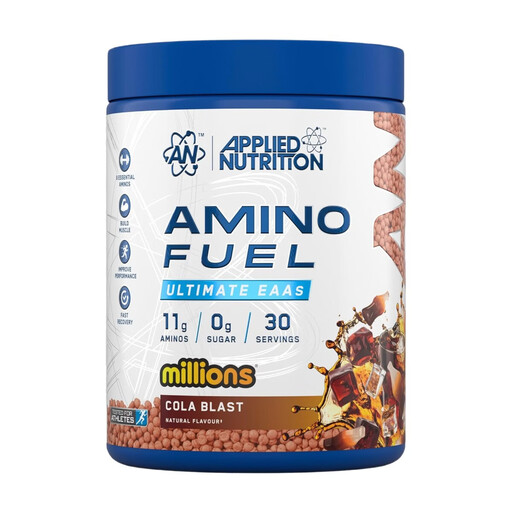
Why This Fits Their Persona: A broad formula gives new users one powder to use before, during or after training, without needing separate EAA, BCAA and glutamine products.
The listed formula identifies EAA, BCAA and L-glutamine rather than relying only on a generic amino blend description.
390g tub; approximately 8g amino acids per 10g serving; cola flavour and cold-water preparation.
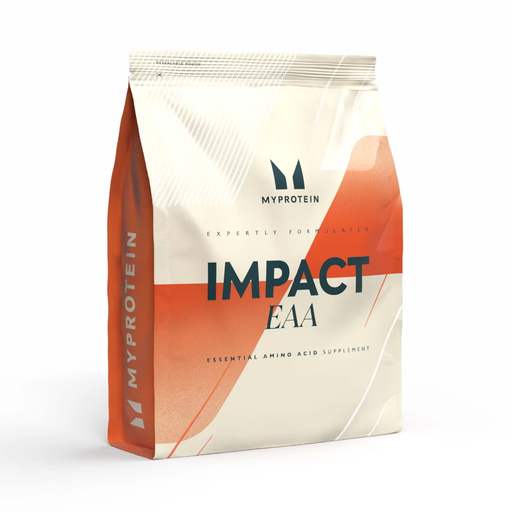
Why This Fits Their Persona: Suitable for adults following vegetarian or vegan diets who want all nine essential amino acids in a clearly itemised serving.
The label lists each EAA amount per 9g serving, helping shoppers compare the actual formula rather than the tub’s headline claims.
Nine listed EAAs; zero calories and sugar stated in the product description; suitable for vegetarians and vegans.
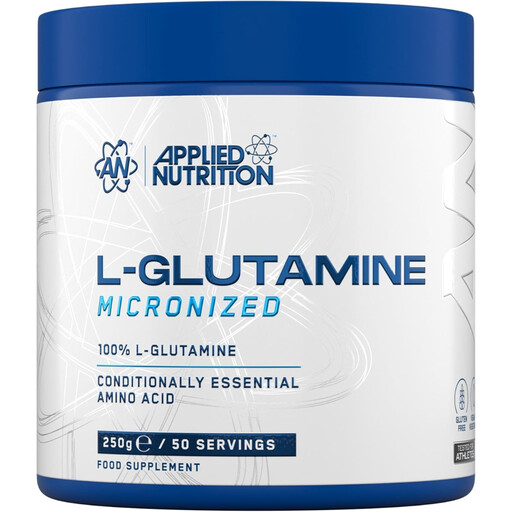
Why This Fits Their Persona: Designed for experienced users who specifically want a single amino acid to add to an existing protein or post-workout routine.
It avoids hidden blend quantities: the ingredient list states 100% micronised L-glutamine and the serving provides 5,000mg.
Single ingredient; unflavoured powder; designed to mix with water, juice or a protein shake.
Before ordering, check the product page and packaging for:
We have compiled a complete, real-time list of products that fully satisfy these strict selection criteria and UK safety regulations.
Some products are listed as suitable for vegans, but suitability varies by formula and manufacturing conditions. Check the product page, ingredient list and allergen statement before buying. A vegan diet does not automatically make every amino acid supplement vegan-friendly.
Many powders provide instructions for use before, during or after exercise. Follow the product label rather than assuming timing changes the formula’s nutritional content. A consistent routine, adequate food intake and sufficient fluids are also important parts of training support.
This depends on the tub size, serving weight and number of servings used daily. A 390g product used at 10g per day provides roughly 39 servings, while a 250g product at 5g per day provides roughly 50 servings. Always calculate from the stated serving size and do not exceed the recommended intake.