
24/7 全天候客户支持

免费退货

当日/次日达

品质保障

开启新人专享福利: 全场免邮 | 低至 2 折 | 免费试用 30 天 JoyPlus 会员
下载 Joybuy
Choosing amino acid supplements can seem straightforward until you compare serving sizes, ingredient lists, flavours and usage instructions. Powders may be marketed as fast-acting recovery drinks, while capsules often focus on convenience. However, a colourful label does not always tell you whether a product suits your diet, training routine or budget.
As the Joybuy Product Recommendation Officer, my aim is to help you separate useful specifications from vague marketing language, so you can choose with greater confidence.
Branched-chain amino acids (BCAAs) are leucine, isoleucine and valine. They are three of the nine essential amino acids, but they are not the complete set.
If your priority is broad amino acid intake, an EAA supplement containing all nine essential amino acids may be more suitable than a BCAA-only formula. Conversely, BCAA supplements can appeal to shoppers who specifically want a simple three-amino-acid blend.
A large container does not automatically provide more usable servings. Check:
For example, one product may use a 5g serving, while another requires 9g or 13g. Comparing pack size alone can therefore give a misleading impression of value.
Terms such as “rapid”, “advanced” and “recovery” are common in sports nutrition marketing. They should not be treated as guarantees of a particular performance or health outcome. Instead, focus on verifiable details: amino acid quantities, ingredients, flavouring, dietary suitability and the manufacturer’s directions.
EAA supplements contain the nine amino acids that must be obtained from food because the body cannot produce them. They may be useful for shoppers looking for a more complete essential amino acid formula.
BCAA supplements focus on leucine, isoleucine and valine. Look for the actual quantities rather than assuming that a ratio tells you everything. A 2:1:1 ratio, for instance, means the leucine amount is twice that of isoleucine and valine.
Glutamine powder is usually a single-ingredient product. It can be mixed with water, juice or a protein shake, making it practical for people who do not want a flavoured multi-amino drink.
An amino acid powder is generally convenient for pre-, intra- or post-workout use, particularly if you already carry a shaker bottle. It also makes it easier to adjust the volume of liquid used.
Capsules are compact and require no mixing, but check how many capsules make one serving. A product providing 4,000mg per serving may require four capsules, so portability should be assessed alongside the serving routine.
Vegetarian and vegan shoppers should check the product description and label rather than relying only on the front of the pack. Some products are suitable for vegan diets but are made in facilities that also handle milk, so cross-contact information matters for allergy-aware shoppers.
Also check for:
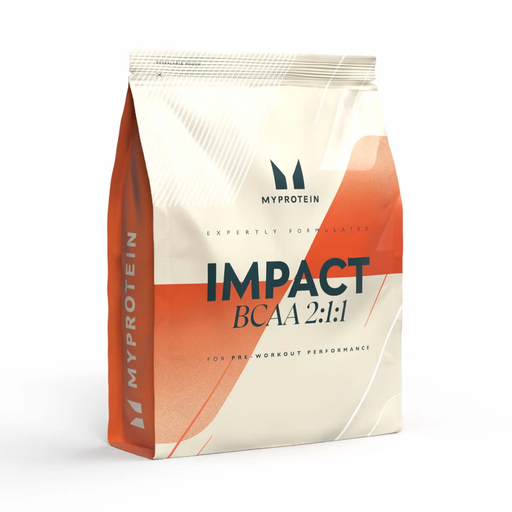
Why This Fits Their Persona: A compact option for people starting a regular gym or running routine and wanting a straightforward BCAA powder without committing to a larger tub.
The 250g pack states 50 servings, making the usage and pack lifespan easier to understand than comparing tub weight alone.
Provides 2g leucine, 1g isoleucine and 1g valine per 5g serving. The product is listed as suitable for vegetarians and vegans.
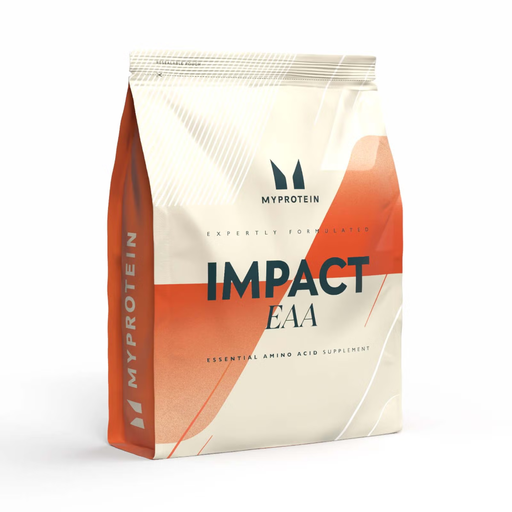
Why This Fits Their Persona: Suits adults seeking a complete EAA formula with a low-calorie drink format for regular use around training.
Its listing specifies all nine EAAs and provides individual quantities, reducing the need to infer the formula from general “amino” wording.
A 9g serving includes 3g leucine and the product is listed as zero calories and zero sugar. It is suitable for vegetarian and vegan diets, subject to label checks.
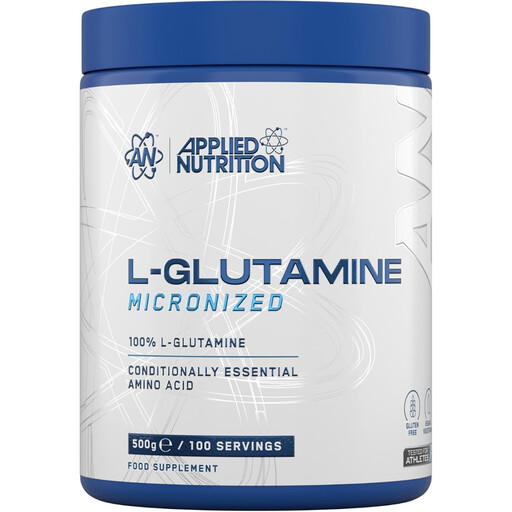
Why This Fits Their Persona: Designed for adults who prefer a single-ingredient glutamine powder and use amino acid recovery products frequently.
The ingredient list is limited to 100% micronised L-glutamine, so shoppers can assess the formula without hidden flavour blends or added amino acids.
Provides 5,000mg per serving and comes in a 500g pack. The unflavoured powder can be mixed with water, juice or a protein shake.
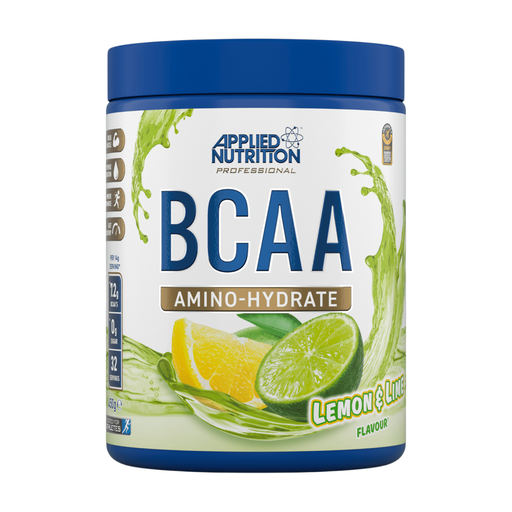
Why This Fits Their Persona: A practical match for runners, HIIT participants and gym users who want amino acids and electrolytes in one drink for training sessions.
The label lists the electrolyte ingredients and their stated amounts, allowing you to distinguish hydration support from a standard BCAA-only product.
A 10g serving lists leucine, isoleucine, valine, glutamine, sodium, potassium and magnesium. It is designed for use before, during or after exercise.
We have compiled a complete, real-time list of products that fully satisfy these strict selection criteria and UK safety regulations.
Follow the serving guidance printed on the product label. Depending on the formula, powders may be taken before, during or after exercise, while some products specify one serving per day. Do not assume that combining several workout recovery supplements is automatically useful; check for overlapping ingredients and total daily intake.
Food supplements should complement a varied, balanced diet rather than replace meals or protein-rich foods. Anyone under 18, pregnant or breastfeeding, taking prescription medicines, or managing a medical condition should seek advice from a qualified healthcare professional before use.
Some EAA supplements are listed as vegetarian- and vegan-friendly, including selected flavoured powders. However, manufacturing facilities may handle milk, soya, gluten or other allergens. Always check the current product label before purchase.
It depends on the serving size, number of servings and price per pack. Powder can provide a larger total quantity and is easy to mix, while capsules may be more convenient when travelling. Compare cost per serving, not just the pack price.
Shelf life depends on the product’s best-before date and storage conditions. Keep the container tightly closed in a cool, dry place away from direct sunlight and moisture. Use the supplied scoop or weigh servings accurately, and follow the label’s instructions.