
24/7 Customer Support

Free returns

Same-day & Next-day Delivery

Quality Guaranteed

Unlock Your Welcome Offers: FREE Delivery | Up to 80% OFF | Free 30-day JoyPlus trial
Download the APP
For gym-goers, runners, bodybuilders and active adults in the UK, amino acid supplements can be a convenient way to add specific nutrients around training. However, comparing powders is not simply a matter of choosing the largest tub or most impressive-looking label.
A useful buying decision starts with the formula, serving size, dietary suitability and product information. The following guide explains the main differences between an EAA supplement, BCAA powder, glutamine products and broader sports nutrition supplements, so you can avoid paying for features that do not match your routine.
BCAAs are L-leucine, L-isoleucine and L-valine. They are only three amino acids, whereas an EAA supplement generally contains all nine essential amino acids that must be obtained from food.
A BCAA powder may suit someone who specifically wants those three ingredients in a simple drink. It may be less suitable for a shopper looking for a wider amino acid profile. Always check the ingredient and nutrition panel rather than relying on phrases such as “muscle formula” or “recovery blend”.
A 500g pouch may appear better value than a 250g tub, but the serving size can differ considerably. Compare:
This is particularly important when comparing a concentrated EAA formula with a lower-dose BCAA product.
A powder that remains gritty or has a strong bitter taste may be left unused. Check whether the product is flavoured or unflavoured, how much water is recommended and whether it is intended for use before, during or after exercise.
Sweeteners, colourings and flavourings also matter if you are following a simple ingredient plan. Those avoiding dairy, soya or other allergens should read the current packaging carefully, even when a product appears suitable for a vegan or vegetarian diet.
Choose a formula based on what you actually want to supplement:
Amino acid powders should not automatically replace meals or a balanced protein intake. A conventional protein powder may provide a larger quantity of protein per serving, while an amino product can offer a lighter, often low-calorie drink.
For example, MyProtein Impact EAA products list all nine EAAs and provide approximately 9g per serving, while MyProtein BCAA Peach & Mango provides 5g per serving, including 2g of leucine and 1g each of isoleucine and valine.
Applied Nutrition Amino Fuel EAA + BCAA + Glutamine lists approximately 8g of amino acids per 10g serving, including leucine, isoleucine, valine and glutamine. The Cherry Limeade 390g product recommends one scoop per serving, with a maximum of two scoops per day according to the supplied product information.
These figures make comparisons clearer than relying on general statements about recovery or performance.
Vegan amino acid supplements are commonly made from free-form amino acids rather than dairy protein, but manufacturing facilities may still handle milk. Some products are listed as suitable for vegetarians and vegans yet carry a “may contain milk” statement.
Also check:
Certification is a product attribute, not a guarantee of a particular training result. Always follow the label supplied with the product.
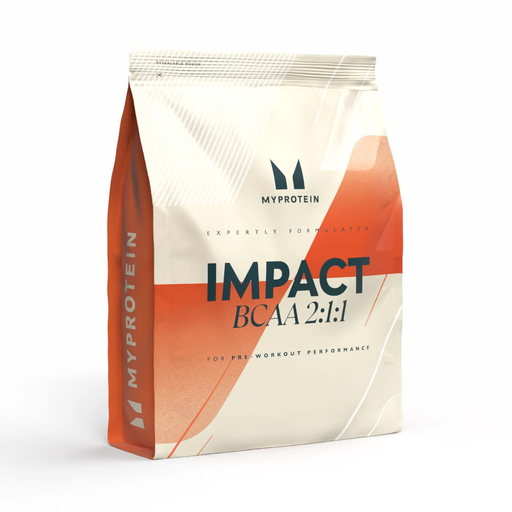
Why This Fits Their Persona: The 500g tub lists 100 servings at 5g each, making the serving count easy to compare for regular gym routines.
The label clearly identifies the three BCAAs and the 2:1:1 ratio, avoiding confusion with a complete EAA formula.
5g serving; Peach & Mango flavour; listed as suitable for vegetarians and vegans.
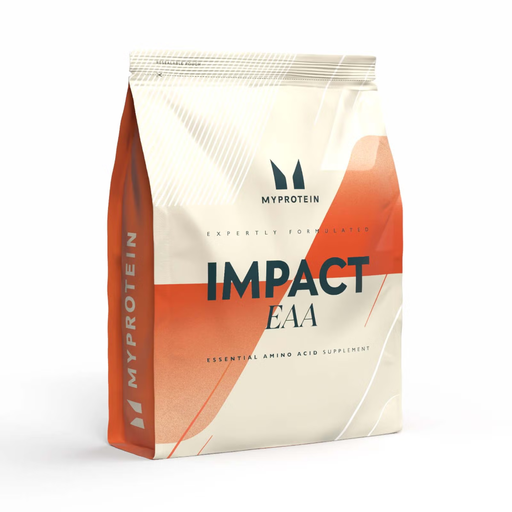
Why This Fits Their Persona: A complete amino acid profile suits shoppers who prefer one EAA supplement rather than combining separate powders.
The supplied nutrition information lists all nine EAAs and the serving size, rather than presenting only a headline BCAA ratio.
9g serving; zero calories and zero sugar listed; suitable for vegetarians and vegans.
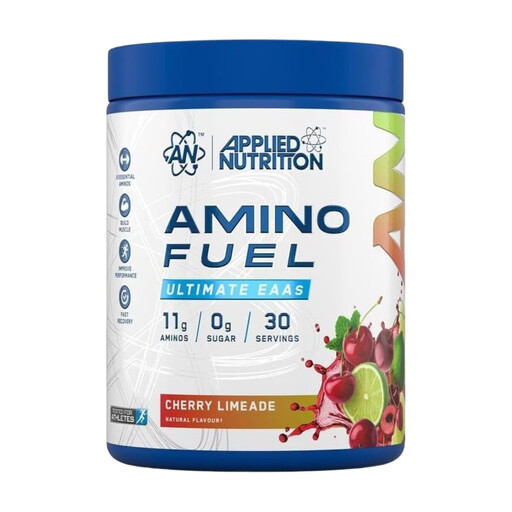
Why This Fits Their Persona: This larger format is designed for adults who want one flavoured powder for regular pre-, intra- or post-workout use.
Its ingredient list and nutrition panel identify the EAA, BCAA and glutamine components, helping buyers distinguish a combination product from a single amino acid.
390g format; approximately 8g amino acids per 10g serving; Cherry Limeade flavour.
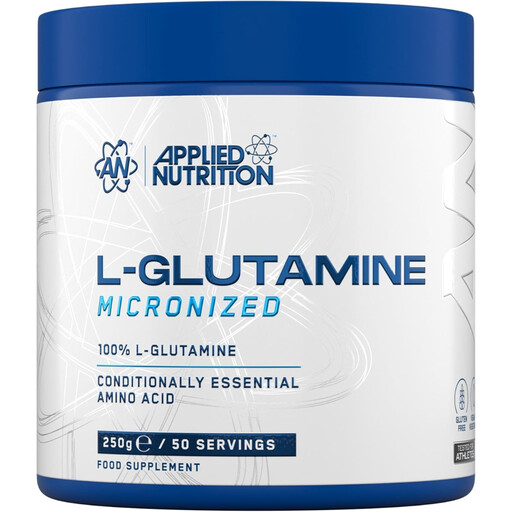
Why This Fits Their Persona: A single-ingredient, unflavoured powder works for people who already have a preferred drink or protein shake.
The formula contains 100% micronised L-glutamine, so there is no need to pay for a flavour system or multi-ingredient blend.
5,000mg per portion; unflavoured; no listed flavourings or colourings.
We have compiled a complete, real-time list of products that fully satisfy these strict selection criteria and UK safety regulations.
Follow the product label. Many powders are listed for use before, during or after exercise, while some can be used on rest days. Timing is less important than choosing a suitable formula, using the stated serving and maintaining a balanced diet.
Some EAA and BCAA powders are listed as suitable for vegans and vegetarians. However, manufacturing statements can mention milk or other allergens. Check the current packaging before purchase, particularly if you have an allergy or intolerance.
Calculate the price per serving, then compare the grams of active amino acids per serving. A larger container is not automatically more economical if it has a larger recommended serving or fewer usable portions. Stop using a product if you experience discomfort and consult a healthcare professional if you take medication, have a medical condition, are pregnant or breastfeeding.