
24/7 Customer Support

Free returns

Same-day & Next-day Delivery

Quality Guaranteed

Unlock Your Welcome Offers: FREE Delivery | Up to 80% OFF | Free 30-day JoyPlus trial
Download the APP
Buying amino acid supplements can seem straightforward until you compare BCAA ratios, EAA blends, serving sizes, flavours and dietary claims. A bright label may suggest workout support, hydration or recovery, but the useful details are often in the nutrition panel and directions.
Whether you are a runner, gym-goer, bodybuilder or simply looking for convenient nutritional support, these checks can help you avoid paying for a formula that does not suit your routine.
A 500g container may look better value than a 250g pack, but the number of servings depends on the recommended dose. One product may use a 5g serving, while another uses 10g or 13g. Compare cost per serving, not just tub weight.
Also check whether the product recommends one or two servings daily. This gives a more realistic idea of how long it may last.
BCAA supplements normally contain three branched-chain amino acids: L-leucine, L-isoleucine and L-valine. EAA supplements contain the nine essential amino acids that must be obtained from food or supplementation.
A BCAA formula can be suitable for someone specifically seeking these three amino acids in a simple drink. An EAA product may be more appropriate if you want a broader amino acid profile. Neither should be treated as a replacement for complete dietary protein or a varied diet.
Phrases such as “advanced”, “performance” or “recovery” do not tell you how much of each ingredient is present. Look for a full ingredient panel showing the quantities per serving. Be cautious if the product only lists a proprietary blend without individual amounts.
For UK shoppers, check the label, allergen information, recommended daily intake and warnings before buying. Formulations can change, so the packaging supplied with your order should take priority over older online descriptions.
For BCAAs, a 2:1:1 ratio means the listed amount of L-leucine is twice the amount of L-isoleucine and L-valine. For example, a 5g serving containing 2g, 1g and 1g provides a clear breakdown.
Some products use a 4:1:1 description in their product title, while the supplied information may show a different ratio. Always confirm the current label rather than relying on the title alone.
For broader support, look for all nine EAAs and check whether additional ingredients such as L-glutamine are included. An amino acid recovery powder may combine EAAs, BCAAs and glutamine, while a single-ingredient product gives you more control over what you take.
Powders are practical for pre-, intra- or post-workout use and can be mixed into water. Check the suggested liquid volume, serving scoop and whether the product is flavoured or unflavoured. An unflavoured L-glutamine powder may fit easily into a shake, whereas a flavoured EAA drink can be more convenient during a long session.
Capsules are easier to carry and do not require mixing, but compare the number of capsules needed per serving. A 500mg capsule and a 1,000mg capsule offer different levels of convenience.
Vegan amino acid supplements are available in both powder and capsule formats, but “vegan” should be confirmed on the product label. Check for possible milk, soya, egg, gluten or nut cross-contact warnings.
If hydration is a priority, an electrolyte amino acid powder may include sodium, potassium and magnesium alongside amino acids. This can be relevant for longer runs or sweaty training sessions, but it should not replace sensible fluid intake.
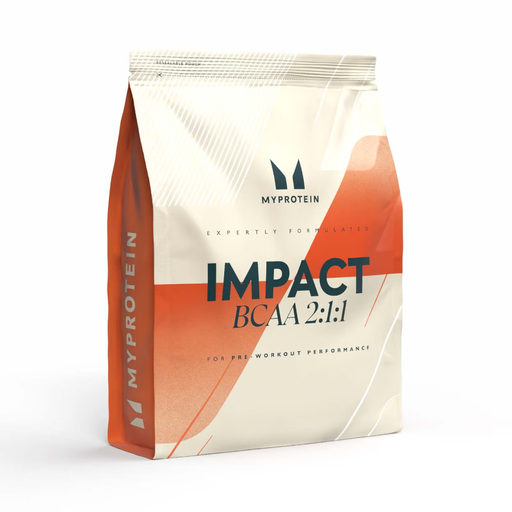
Why This Fits Their Persona: The 500g pack provides 100 listed servings at 5g each, making it practical for adults starting a regular BCAA routine.
The label specifies 2g L-leucine, 1g L-isoleucine and 1g L-valine per 5g serving, rather than hiding the ratio in a blend.
Powder format; tropical flavour; listed as suitable for vegetarians and vegans, subject to checking the supplied label.
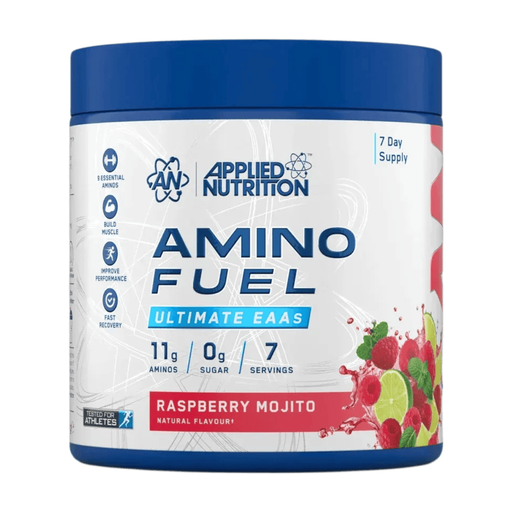
Why This Fits Their Persona: A compact choice for adults who want a clearly listed EAA formula for occasional gym sessions or trial use.
Its supplied nutrition information lists 9g of EAAs, 6g of BCAAs in a 2:1:1 ratio and 2.5g of L-glutamine per 13g serving.
Full EAA profile; raspberry mojito flavour; one stated serving per day.
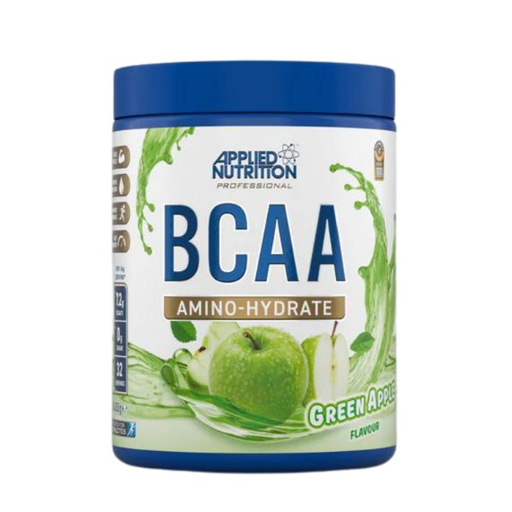
Why This Fits Their Persona: A suitable format for adults combining amino acid intake with hydration during longer or higher-intensity training sessions.
The ingredient list identifies sodium chloride, potassium chloride and magnesium citrate alongside BCAAs and glutamine.
450g pack; green apple flavour; stated use before, during or after exercise.
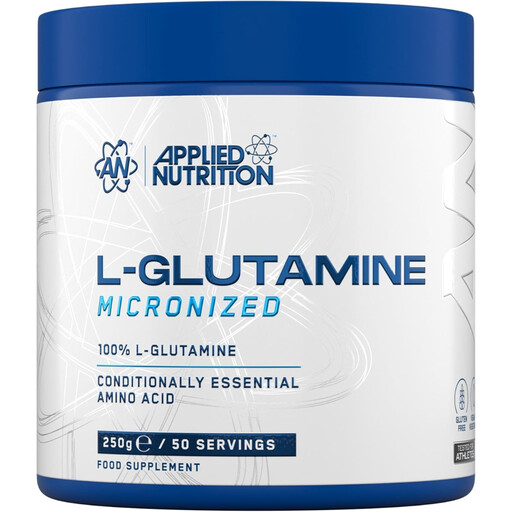
Why This Fits Their Persona: Useful for adults who prefer an unflavoured, single-ingredient powder that can be added to water, juice or a protein shake.
The product lists 100% micronised L-glutamine and a 5,000mg portion, rather than combining several ingredients in an unclear blend.
Unflavoured; micronised powder; no unnecessary listed flavourings or colourings.
We have compiled a complete, real-time list of products that fully satisfy these strict selection criteria and UK safety regulations.
They can provide a convenient format around training, but suitability depends on the formula, diet and personal circumstances. Runners may prefer a flavoured powder, while those on longer sessions may compare an electrolyte amino acid powder with a standard BCAA product.
This depends on pack size and serving instructions. A 250g product used at 5g per day provides approximately 50 servings. A 500g product at the same serving size provides approximately 100 servings. Always calculate using the label’s recommended serving rather than the container size alone.
Powder often provides more amino acids per serving and is convenient for mixing into a drink. Capsules can be easier to carry but may require several units to reach the stated serving. Compare the amount of active ingredient per serving and the number of daily servings before deciding.