
24/7 全天候客户支持

免费退货

当日/次日达

品质保障

开启新人专享福利: 全场免邮 | 低至 2 折 | 免费试用 30 天 JoyPlus 会员
下载 Joybuy
Choosing amino acid supplements can be more complicated than expected. Powders, capsules and combination formulas may look similar, yet their amino acid profiles, serving sizes and intended uses can differ considerably.
For UK shoppers, the main challenge is separating useful label information from broad performance promises. A lower-priced tub is not automatically better value, while a long ingredient list does not necessarily make a formula more suitable. The right choice depends on your diet, training pattern, preferred format and the amount supplied per serving.
BCAA powder usually contains three branched-chain amino acids: leucine, isoleucine and valine. This can be convenient for people specifically seeking a BCAA formula, but it does not provide all nine essential amino acids.
By comparison, EAA supplements contain the nine essential amino acids that the body cannot produce itself. If your priority is broader amino acid intake around training, check whether the product provides a complete EAA profile rather than focusing only on the BCAA ratio.
A 500g pouch may appear better value than a 250g pouch, but the practical comparison is cost per serving. Check the serving weight, number of servings and the amount of the main ingredient per serving.
For example, a product may require 13g per serving, while another uses 5g or 9g. Also consider whether the scoop size is accurate enough for your routine. Some labels recommend weighing the powder because it can settle during storage.
Terms such as “fat burning”, “instant recovery” and “rapid absorption” should be treated cautiously. Supplements can complement a balanced diet and structured training, but they are not substitutes for adequate protein, carbohydrates, fluids, sleep or medical advice.
For UK purchases, always read the full label, allergen statement, recommended intake and warnings. Food supplements should not be used as a replacement for a varied, balanced diet and healthy lifestyle.
Compare the active amount per serving, not just the total pack weight. Examples in this range include:
Do not combine several products automatically. Using creatine and amino acids together may be part of an individual training plan, but you should calculate total daily intake across every supplement and follow each label.
Powders are practical for pre-, intra- or post-workout drinks, while capsules can be easier for travel and routine daily use. Flavoured products may make regular use more convenient, but they often include sweeteners, acids, colourings or flavourings.
If you follow a plant-based diet, look for clearly stated vegan amino acid supplements and check facility allergen information. Several EAA and BCAA products listed below are described as suitable for vegans or vegetarians, although some are made in facilities that also handle milk.
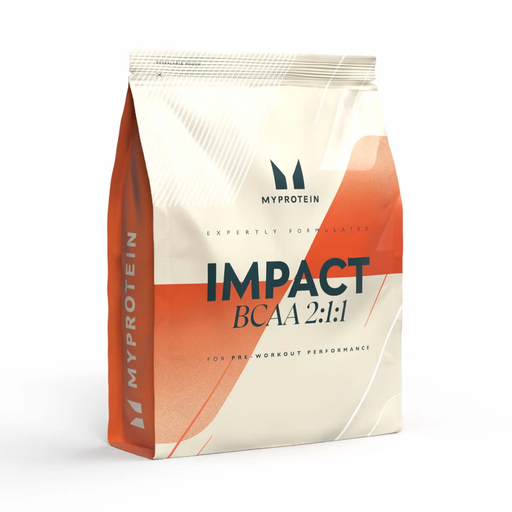
Why This Fits Their Persona: A compact option for UK gym-goers who want a straightforward BCAA powder with a defined serving size and flavoured format.
The label states 50 servings of 5g, making it easier to compare cost per serving rather than tub size alone.
Provides 2g leucine, 1g isoleucine and 1g valine per 5g serving; listed as suitable for vegans and vegetarians.
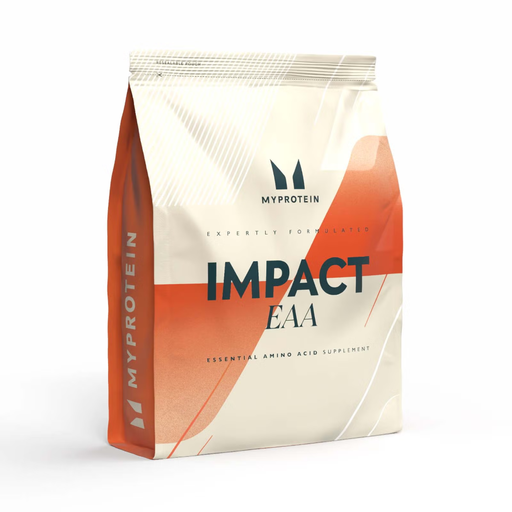
Why This Fits Their Persona: Suitable for shoppers seeking a complete EAA profile, a larger powder format and a product described as suitable for vegetarian and vegan diets.
All nine EAAs are listed individually, so buyers can assess the formula rather than relying on a general “amino blend” description.
Supplies all nine EAAs, includes a stated 4:1:1 BCAA ratio and contains zero sugar according to the supplied product information.
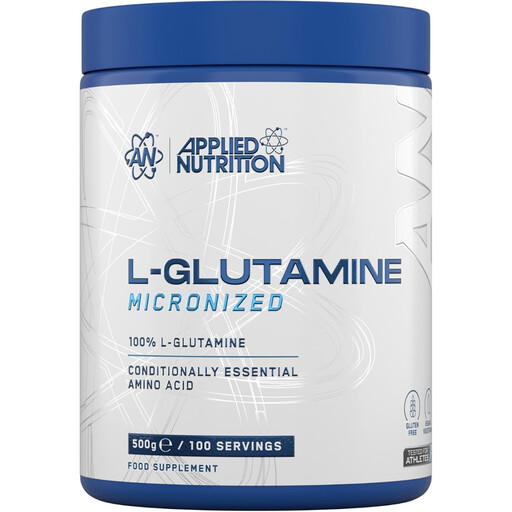
Why This Fits Their Persona: A practical choice for adults who prefer a single-ingredient powder and use supplements regularly around demanding training.
The ingredient list contains 100% micronised L-glutamine, avoiding a crowded blend where individual amounts may be unclear.
Provides approximately 5g per serving, comes unflavoured and is designed to mix with water, juice or a protein shake.
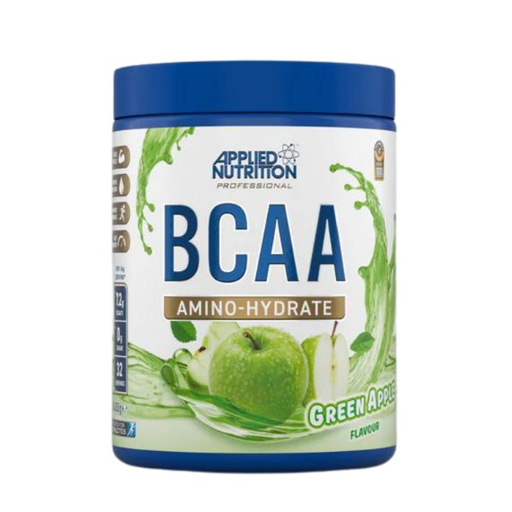
Why This Fits Their Persona: Designed for adults who want amino acids and electrolytes in one drink before, during or after longer gym, HIIT or endurance sessions.
The label specifies the amino acid and electrolyte quantities, allowing shoppers to check what the hydration blend actually contains.
Combines a stated 2:1:1 BCAA ratio with sodium, potassium and magnesium in a 450g powder format.
We have compiled a complete, real-time list of products that fully satisfy these strict selection criteria and UK safety regulations.
Not always. Protein-rich foods and protein powders already provide amino acids. Supplements may offer convenience for specific routines, dietary preferences or training schedules, but they should complement rather than replace balanced meals.
Powder is useful if you want to mix amino acids into water or a workout drink. Capsules are easier to carry but may require several units to provide a comparable amount. Compare the serving instructions, not just the product format.
Some products combine creatine with plant peptides or other amino ingredients, while others are separate formulas. Check the label of each product, calculate your total intake and ask a pharmacist or healthcare professional for advice if you take medication, have a medical condition, or are pregnant or breastfeeding.