
24/7 全天候客户支持

免费退货

当日/次日达

品质保障

开启新人专享福利: 全场免邮 | 低至 2 折 | 免费试用 30 天 JoyPlus 会员
下载 Joybuy
Choosing amino acid supplements can be surprisingly complicated. Product labels often highlight ratios, rapid absorption, “recovery” benefits and specialist certifications, while leaving out details that affect everyday value and suitability.
For UK shoppers, the right choice depends on your diet, training routine, preferred format and the specific amino acid you want to supplement. This guide explains what to check before buying, highlights common marketing pitfalls and matches several options to different user profiles.
BCAA supplements provide three branched-chain amino acids: leucine, isoleucine and valine. They can suit shoppers who specifically want these three ingredients, but they do not provide all nine essential amino acids.
EAA supplements contain all nine essential amino acids, including the three BCAAs. If your priority is a broader amino acid profile, an EAA formula may be more appropriate than buying BCAAs alone.
Ratios such as 2:1:1 or 4:1:1 describe the proportion of leucine, isoleucine and valine. They do not show the full serving size, the amount of each ingredient, or whether the product includes other amino acids.
Always compare the actual grams or milligrams per serving. A tub with a larger headline ratio may still provide fewer total servings or less product per scoop.
Powdered products can vary considerably. One serving may be 5g, while another requires 9g or 13g. Some products use sweeteners, flavourings or colourings, and products labelled vegan may still be made in facilities handling milk.
Check the full ingredients list, allergen statement, recommended daily dose and storage instructions before purchasing. This is particularly important if you have allergies, follow a vegan diet or take regular medication.
Choose an EAA formula if you want all nine essential amino acids in one drink. For example, several MyProtein Impact EAA powders list leucine, lysine, isoleucine, valine, threonine, phenylalanine, tryptophan, methionine and histidine.
A targeted product may be more suitable when you have a specific shopping goal:
These products should be used as food supplements, not as substitutes for a varied, balanced diet.
An amino acid powder is usually practical for training sessions because it can be mixed with water or juice. It also allows you to compare serving sizes more directly. Flavoured powders may be easier to drink, while unflavoured versions can be added to a preferred beverage or shake.
Amino acid capsules are convenient for work, travel or days when mixing a drink is impractical. However, check how many capsules make up one serving. Some products require several capsules to provide the stated daily amount.
Vegetarian and vegan shoppers should check both the product description and the allergen information. The products below include vegan or vegetarian suitability details, but manufacturing facilities may handle milk or other allergens.
Quality marks can also help with product selection. For example, some Impact EAA products are listed as Informed Choice certified. This is an objective certification detail, but it should not be interpreted as a guarantee of a particular health or performance outcome.
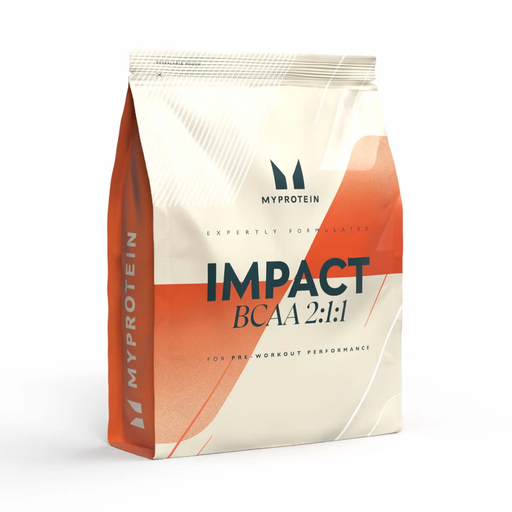
Why This Fits Their Persona: The 250g tub provides a compact entry point for UK gym-goers who want to try BCAA supplements without committing to a larger pack.
The label states a 5g serving and identifies the three BCAAs individually, making it easier to compare quantity rather than relying only on promotional wording.
Provides 2g leucine, 1g isoleucine and 1g valine per 5g serving; listed as suitable for vegetarians and vegans.
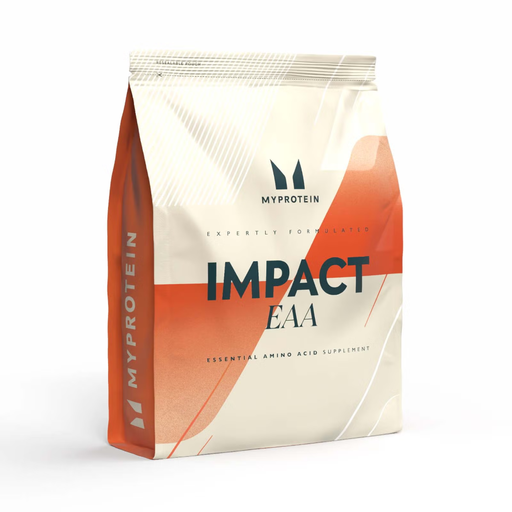
Why This Fits Their Persona: An unflavoured complete EAA powder suits shoppers who want to mix amino acids with water, juice or an existing shake.
It lists all nine EAAs and provides a stated 7g serving, rather than presenting a BCAA ratio without the wider amino acid profile.
Contains all nine essential amino acids; unflavoured format; listed as suitable for vegan and vegetarian diets and Informed Choice certified.
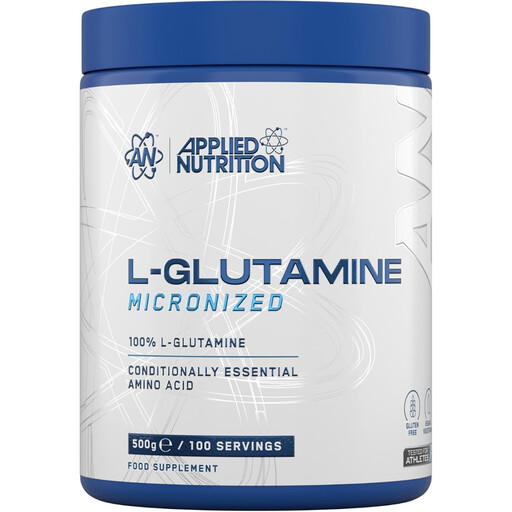
Why This Fits Their Persona: The larger pack is practical for regular gym users who prefer a single-ingredient powder for repeated use.
The ingredient list contains 100% micronised L-glutamine, so shoppers are not paying for a long blend when they want one specific amino acid.
5,000mg per stated portion; unflavoured; micronised powder; suitable for adults following vegan or vegetarian diets.
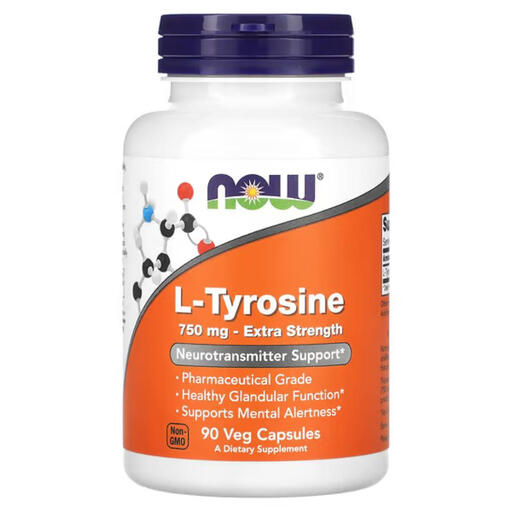
Why This Fits Their Persona: Capsules offer a measured, portable format for adults seeking targeted L-tyrosine intake rather than a broad workout blend.
The product states 750mg of free-form L-tyrosine per capsule, allowing direct comparison with lower-dose capsule products.
Vegan capsules; 750mg per capsule; free-form ingredient; no listed wheat, gluten, soy, milk, egg, fish, shellfish, tree nuts or sesame ingredients.
We have compiled a complete, real-time list of products that fully satisfy these strict selection criteria and UK safety regulations.
Follow the serving instruction printed on the product rather than estimating with an ordinary kitchen spoon. Powders can settle, so weighing a serving may provide greater consistency where the label recommends it.
EAA and BCAA powders are commonly taken before, during or after exercise, depending on the product directions. Single amino acids may have different instructions, including taking them between meals or with water. Do not exceed the stated dose.
Keep tubs tightly closed and store them in a cool, dry place away from direct sunlight. Capsules should also remain away from moisture. Check the best-before date and product label when your order arrives, as formulations and packaging can change.
Not necessarily. Amino acids are naturally present in protein-containing foods. Supplements may offer convenience or a targeted way to increase intake, but they should complement a varied, balanced diet rather than replace it.
Yes. Several powders and capsules are listed as suitable for vegans or vegetarians, including EAA powders, BCAA powders, L-glutamine and selected single-amino-acid capsules. Always check the current label and allergen statement, as manufacturing facilities may handle milk or other ingredients.