
24/7 Customer Support

Free returns

Same-day & Next-day Delivery

Quality Guaranteed

Unlock Your Welcome Offers: FREE Delivery | Up to 80% OFF | Free 30-day JoyPlus trial
Download the APP
Older plaster, uneven surfaces and dated décor can make a decorating project more difficult than expected. Anaglypta wallpaper and lining paper can provide a practical base for painting or a textured decorative finish, but choosing the wrong grade, roll size or material may lead to wasted adhesive, visible seams and disappointing results.
As the Joybuy Product Recommendation Officer, I focus on separating useful product information from vague marketing language. Here are the main points UK homeowners, landlords, DIY decorators and renovators should check before buying.
Lining paper is primarily used to prepare a wall or ceiling before painting or hanging wallpaper. It can help cover minor surface irregularities, but it is not a substitute for repairing loose plaster, damp, major movement or structural cracks.
Anaglypta wallpaper, on the other hand, is a decorative wallcovering with a raised pattern. It is designed to be painted after hanging and used as part of the room’s finished appearance.
A higher lining-paper grade may provide a more substantial covering layer, but it cannot correct damp, unstable plaster or badly contaminated surfaces. The wall must still be clean, dry and free from dust and loose particles.
For lining paper for damaged plaster, remove friable material and fill significant holes before hanging. Where plaster is actively crumbling or affected by moisture, resolve the underlying issue first.
A roll measuring 0.53m × 20m offers a theoretical area of approximately 10.6 square metres, before allowing for trimming, pattern matching and waste. A 0.53m × 10m roll provides approximately 5.3 square metres before these deductions.
Measure each wall separately, include ceiling areas where relevant and allow extra material for cutting. Buying only the exact calculated area can leave a project short, particularly when working around windows, doors and alcoves.
The grade indicates the paper’s approximate weight and thickness. In practical terms:
These descriptions indicate intended use, not a guarantee that every defect will disappear. Always follow the product instructions and prepare the surface thoroughly.
Anaglypta vinyl wallpaper uses a vinyl material with a textured, paintable surface. Compared with plain lining paper, it is selected for the visible pattern as well as for adding surface interest to walls or ceilings.
Available designs include:
Check whether the finish is paintable and whether the pattern needs matching. A directional design may also affect how strips are positioned.
The product details recommend a good-quality ready-mixed wallpaper adhesive, with approximately 2kg per roll for the listed lining papers and approximately 1kg per roll for the listed textured vinyl wallpapers. These figures are product guidance and should be checked against the adhesive instructions.
Do not assume that peel-and-stick wallpaper adhesive or paste-the-wall products are interchangeable with traditional paper or vinyl wallcoverings. Use adequate ventilation and allow the wallcovering to dry fully before painting.
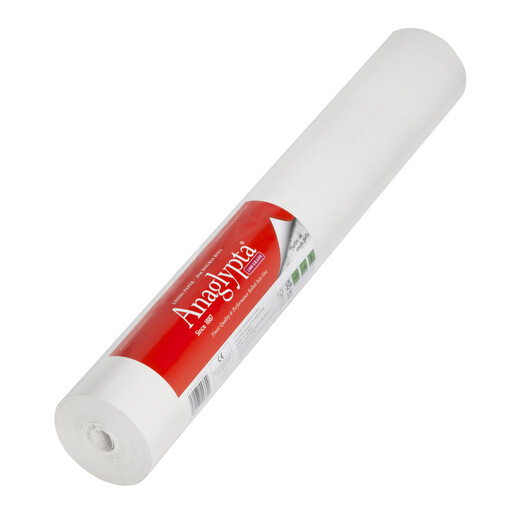
Why This Fits Their Persona: The 20m roll is suited to straightforward room refreshes where the plaster is older but largely sound, helping cover larger surface defects before painting or wallpapering.
Its stated purpose is preparation for sound older plaster, rather than promising to solve damp or unstable surfaces.
20m × 0.53m roll; suitable as a base for paint or wallpaper.
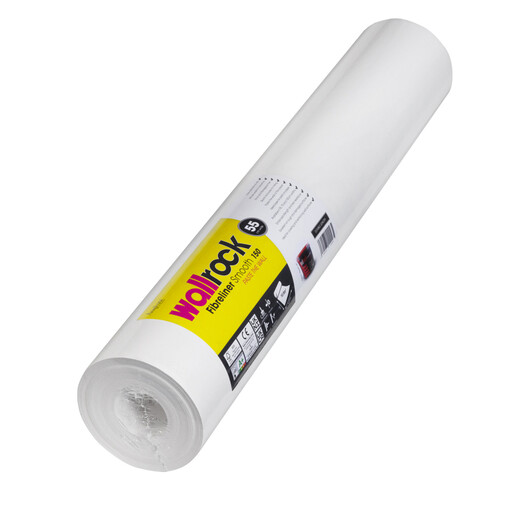
Why This Fits Their Persona: A suitable choice for decorators prioritising a smoother modern base before applying paint or a top wallpaper layer.
The product specification identifies its 150GSM weight and smooth finish, making the choice clearer than relying on vague claims about quality.
20m × 0.55m roll; smooth paper finish for painting or wallpapering.
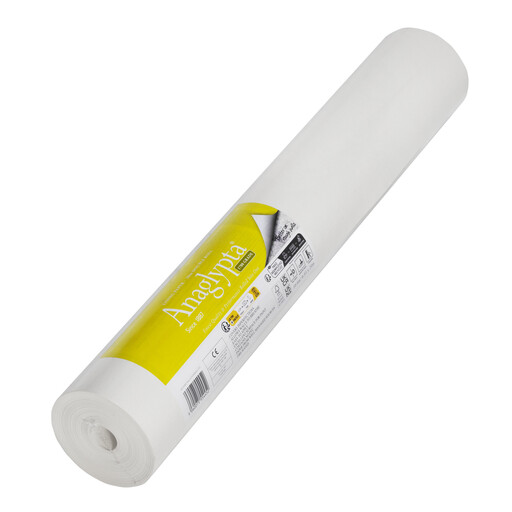
Why This Fits Their Persona: Intended for renovation projects involving older or more damaged plaster where a heavier lining paper is being considered.
Its stated application covers older and damaged plaster, while still requiring proper cleaning, preparation and adhesive use.
1700 grade; 20m × 0.53m roll for extensive coverage.
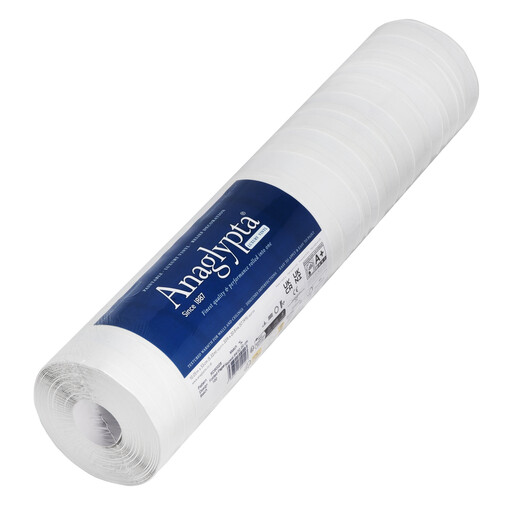
Why This Fits Their Persona: The layered geometric pattern suits a contemporary feature wall or a statement application on a suitable ceiling.
The listing specifies a 10m roll, paintable vinyl material and the need for a good-quality ready-mixed adhesive.
Paintable textured wallpaper; durable vinyl construction; 0.53m × 10m roll.
For more designs, lining grades and textured surfaces, browse the wider range of textured paper.
We have compiled a complete, real-time list of products that fully satisfy these strict selection criteria and UK safety regulations.
Many textured vinyl designs are listed for use on both walls and ceilings. However, check the individual product instructions and assess the ceiling’s condition, access and moisture exposure before starting.
1400 grade lining paper is listed for older plaster in sound condition with surface defects, while 1700 grade lining paper is intended for older or more damaged plaster. Neither should be used to conceal damp, loose material or unresolved structural movement. Prepare and repair the surface first.
Its service life depends on wall preparation, adhesive application, room conditions, cleaning and the quality of subsequent painting. Keeping spare material from the same batch can be useful for future repairs, as colour and texture may be difficult to match later.