Frequent rail revisers
If you regularly listen to spoken notes on trains, noise control and enough battery for repeated journeys may matter more than a small carrying case. Check how easily you can hear your surroundings when you need to.


Choose over-ear noise-cancelling headphones if long, seated revision sessions and fewer charging interruptions matter more than carrying a compact pair. Which? notes that over-ear designs typically offer strong noise cancelling and battery life, but are bulkier and heavier; ANC earbuds make more sense when pocketability comes first, provided their fit and single-charge runtime suit your journey. Whichever you choose, pause your notes or use an awareness mode when moving around platforms and boarding.
If you regularly listen to spoken notes on trains, noise control and enough battery for repeated journeys may matter more than a small carrying case. Check how easily you can hear your surroundings when you need to.
Earbuds take up less space between trains, work and classes. The trade-off is greater reliance on a secure ear-tip fit and keeping the charging case to hand.
If your notes play from a laptop or tablet, check its connection options before choosing headphones for their noise-cancelling features alone. Wired audio modes and supplied cables vary by model.
Choose when: You spend long stretches seated with audio notes and have room for a larger headset.
Trade-off: Over-ear designs are bulkier and heavier to carry than earbuds, as Which? notes.
Choose when: A pocketable pair matters most between journeys.
Trade-off: Fit becomes especially important, and a total battery figure may include recharges from the case rather than one continuous listening session.
| Concern | What to check | Who this matters to |
|---|---|---|
| Following speech amid train noise | Check for active noise cancellation, a secure fit and a way to hear your surroundings when needed. | If nearby conversation makes short details in my notes hard to follow, noise control is my deciding need. Roughly 42% of consumers choosing for this train-revision scenario would put it first. |
| Charge continuity | Compare the stated runtime in the relevant noise-cancelling mode; for earbuds, separate single-charge playback from case recharges. | When I revise across repeated journeys, I do not want charging to interrupt the next session. For around 25% of consumers, avoiding those interruptions would be the primary concern. |
| Comfort and carrying space | Consider headset size and wearing fit, or the available ear-tip sizes and charging case. | I need a pair I can carry between journeys and wear through a revision session without an awkward fit. That would come first for roughly 17% of consumers. |
| Revision-device connections | Check your source device, the supplied cable and whether the exact model supports your intended wired or USB-C audio mode. | If my notes are on a laptop or tablet, a dependable connection matters more to me than another listening feature. Around 16% of consumers would make device compatibility their first priority. |
Active noise cancellation can reduce outside sound, but it does not remove platform hazards. The Office of Rail and Road notes that gaps between platform edges and train coaches vary between stations.
Pause your notes or switch to an awareness mode before moving around a platform, boarding or leaving the train. Save more isolated listening for when you are settled in your seat.
A manufacturer's maximum runtime does not necessarily describe playback with noise cancellation on. For earbuds, a total that includes case recharges is different from the time available on one charge.
Check the exact model's stated listening mode and whether you are comparing continuous playback or a case-inclusive total before deciding how often you will need to recharge.
Wired listening depends on the headphones' supported mode and your source device. Bose specifies USB-C audio for compatible sources on its QuietComfort Ultra Headphones (2nd Gen), while Sony lists a detachable analogue cable for the WH-1000XM6.
Check your laptop, tablet or phone port against the exact headphone model and supplied cable before relying on wired playback. A cable also gives you something to manage in a crowded seat.
Sony's WH-1000XM6 is an over-ear option to examine if you want an ambient-sound mode and an analogue listening route alongside noise cancellation.
Bose's QuietComfort Ultra Headphones (2nd Gen) are relevant if an over-ear pair with analogue and USB-C audio options would suit your revision device.
Sennheiser offers two relevant forms to compare: Momentum 4 Wireless over-ear headphones and the smaller Momentum True Wireless 4 earbuds.
These choices cover over-ear headphones for seated train revision and earbuds for a smaller carrying setup. Use the listening-mode and connection checks above to narrow the choice for your own audio-note device.
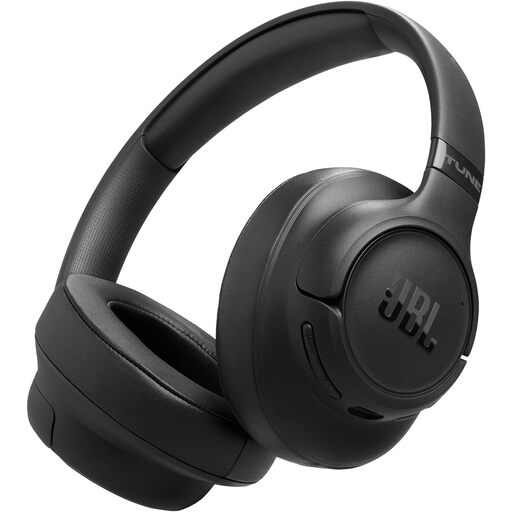 No image available
An over-ear option for seated revision when noise cancellation matters and you have space to carry a headset.
The product name specifies adaptive noise cancellation. Check the fit and the listening modes you would use when you need to hear announcements.
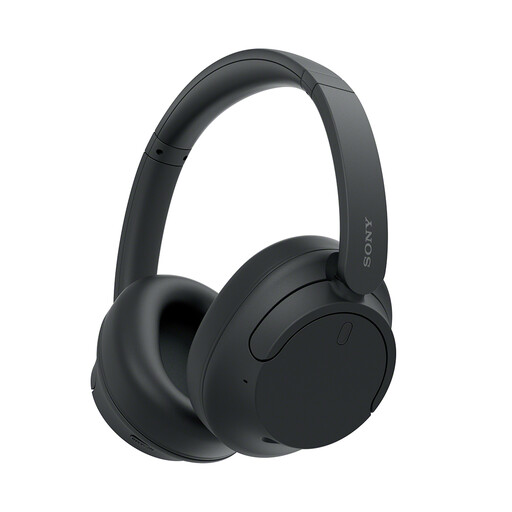 No image available
Consider this over-ear pair if you prefer a headset for longer seated listening rather than a pocketable earbud case.
Check that any cable you intend to use suits your revision device, and confirm the operating mode available during wired listening.
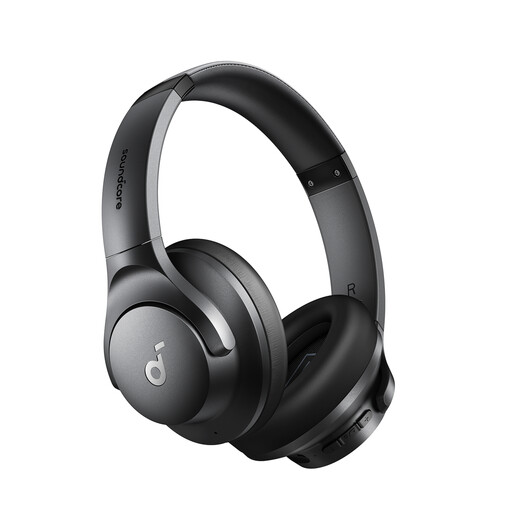 No image available
This over-ear format suits a listener who can carry a headset and wants to assess noise cancellation for spoken notes.
Before choosing it for extended sessions, check the fit and how you would switch to hearing your surroundings.
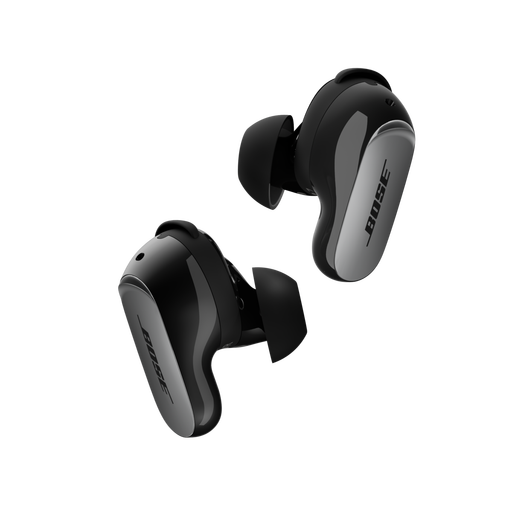 No image available
These wireless earbuds are a compact alternative when carrying space matters more than an over-ear design.
Check ear-tip fit and continuous playback on one charge separately from any recharges supplied by the case.
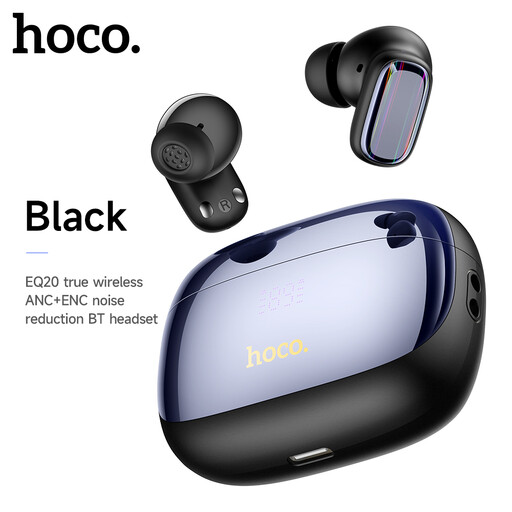 No image available
A smaller earphone format may suit short revision stretches when you want to carry less between journeys.
Check the exact noise-cancelling and awareness controls, ear-tip fit and case-inclusive runtime against how you plan to listen.
Over-ear headphones are worth considering for longer seated sessions, while ANC earbuds suit a more pocketable setup. Which? notes that over-ear designs typically offer strong noise cancelling and battery life but are bulkier and heavier; with earbuds, check fit and playback time on one charge rather than relying only on a case-inclusive total.
Do not rely on a higher volume to mask the train. Royal Free London NHS Foundation Trust suggests noise-cancelling headphones as a way to reduce the urge to turn the volume up; keep listening at a comfortable level and stay attentive when moving around the train or platform.
A change-of-mind cancellation may be available for an online purchase, but check the applicable conditions before opening or using the headphones. Coventry City Council Trading Standards describes a right to change your mind within up to 14 days after receiving goods in most cases; problems with faulty or misdescribed goods are separate from a change-of-mind return and should not be treated as merely a matter of retailer preference.