
24/7 Customer Support

Free returns

Same-day & Next-day Delivery

Quality Guaranteed

Unlock Your Welcome Offers: FREE Delivery | Up to 80% OFF | Free 30-day JoyPlus trial
Download the APP
Buying an Android smartphone outright can provide flexibility, but comparing models is not simply a matter of choosing the largest memory number or most impressive camera headline. UK shoppers also need to consider network compatibility, charging equipment, software support, storage and protection against everyday damage.
As the Joybuy Product Recommendation Officer, my approach is straightforward: separate useful specifications from marketing shorthand, then match each phone to the way it will actually be used.
A phone advertised with “16GB RAM” may contain 4GB of physical RAM plus 12GB taken from internal storage. This can support some background tasks, but it is not equivalent to 16GB of dedicated memory.
When comparing affordable Android phones, check the specification carefully for the split between physical RAM and virtual memory expansion. The processor, storage type and software also affect everyday responsiveness.
Unlocked smartphones and SIM-free phones are not tied to a particular mobile contract, but network compatibility still matters. Check the supported 4G or 5G bands, dual-SIM arrangement and whether the model supports the services you use, such as contactless payments through NFC.
A 5G smartphone also needs a compatible 5G tariff and coverage in your location. Otherwise, it will generally use 4G where available.
A 10,000mAh or 15,000mAh battery can offer considerable capacity, but it usually adds weight and thickness. Conversely, a slimmer phone may be easier to carry but require more frequent charging.
Also check whether a charger is included. Several Samsung models are supplied with a USB-C cable but no charging adaptor, so factor a suitable certified charger into the total cost.
For streaming, reading and gaming, consider both screen size and refresh rate. A 90Hz or 120Hz display can make scrolling appear smoother than a standard 60Hz panel. AMOLED screens generally offer strong contrast and vivid colours, while HD+ screens can help keep a phone’s price lower.
A large display is not automatically more practical. Check the phone’s weight and dimensions if you frequently use it one-handed or carry it in a pocket.
A phone with 128GB storage may be sufficient for calls, messaging and moderate photography. Users who download films, install large games or record substantial video may prefer 256GB or 512GB.
Some Android smartphones support expandable storage through a microSD or TF card. For example, the Blackview Wave 7C includes a dedicated card slot and supports expansion up to 2TB according to its product information. However, not every app can necessarily be moved to removable storage, so internal capacity remains important.
Ingress Protection ratings use two figures: the first relates to dust and solid particles, while the second relates to water. For example, IP54 indicates limited dust protection and resistance to water splashes; it does not mean the phone is suitable for submersion.
Higher ratings such as IP68 or IP69 offer more protection under specified conditions, but users should still follow the manufacturer’s instructions. Keep charging ports dry, close covers correctly and avoid treating water resistance as permanent.
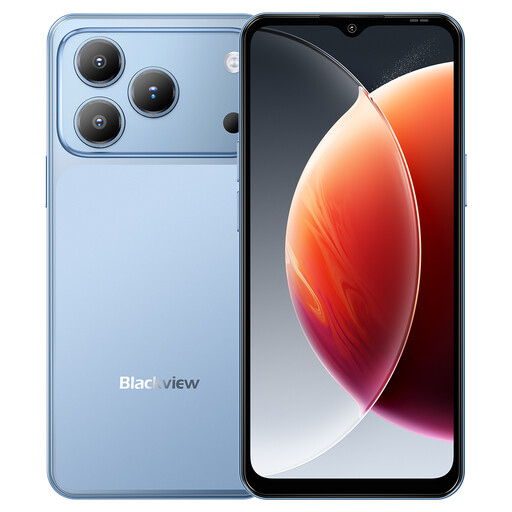
Why This Fits Their Persona: A practical choice for everyday calls, messaging, browsing and video use without paying for flagship-level hardware. Its 4G Dual SIM design can also suit users managing two numbers.
The listing clearly separates 4GB physical RAM from 12GB virtual expansion, while its dedicated TF card slot avoids relying only on internal storage.
5000mAh battery, 128GB storage, 32MP rear camera, 3 card slots and a 3.5mm headphone jack.
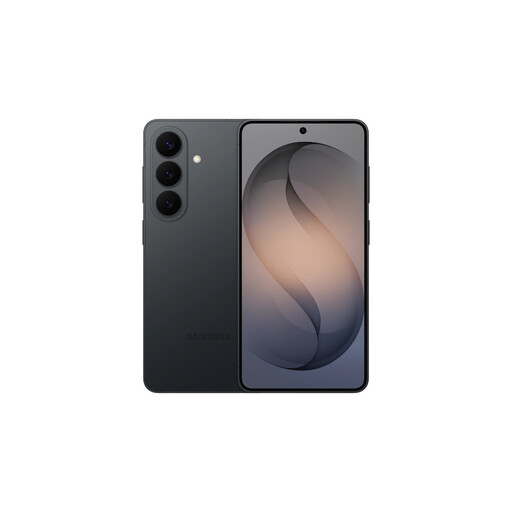
Why This Fits Their Persona: Suited to shoppers who prioritise a compact premium design, high-resolution photography, 5G connectivity and a bright display for commuting or travel.
Its specification identifies 12GB RAM and 256GB internal storage separately, avoiding the confusion created by presenting virtual expansion as physical memory.
6.2-inch 120Hz Dynamic AMOLED 2X display, 50MP triple camera with 3x optical zoom, IP68 rating and Dual SIM plus eSIM support.
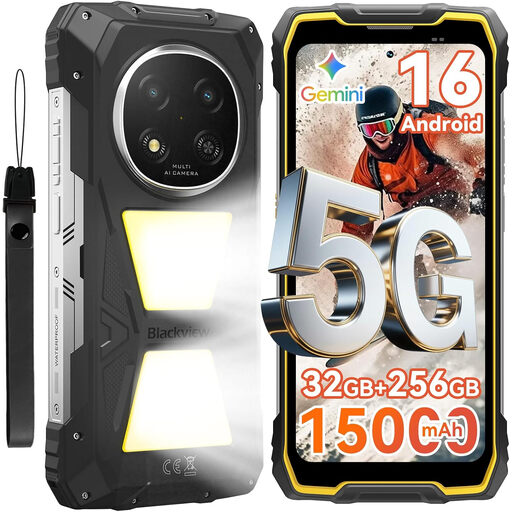
Why This Fits Their Persona: Designed around high-capacity battery use, dual-SIM connectivity and outdoor-focused features for construction, delivery, camping or extended travel.
The product is explicitly described as a rugged, unlocked 5G phone, while the 15,000mAh battery addresses the need for fewer charging stops.
5G, 256GB storage, Dual SIM, NFC, Android 16, a 6.67-inch 120Hz display and 15,000mAh battery.
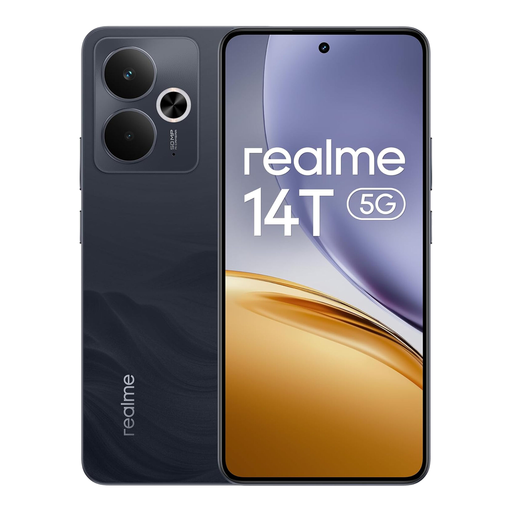
Why This Fits Their Persona: A balanced option for streaming, photography, gaming and commuting, particularly if you want a high-refresh-rate AMOLED display without choosing a rugged handset.
The listing states the physical storage, dynamic RAM arrangement and battery capacity separately, making the specification easier to assess.
6,000mAh battery, 45W charging adaptor included, 6.67-inch 120Hz AMOLED display, 256GB storage and 5G.
We have compiled a complete, real-time list of products that fully satisfy these strict selection criteria and UK safety regulations.
A SIM-free phone lets you choose a separate SIM-only tariff, which can be useful for comparing data allowances and contract lengths. The overall cost depends on the handset price, tariff and how long you keep the device. Check compatibility with your chosen UK network before ordering.
Physical lifespan depends on battery condition, handling and repairs. Software support is equally important: check the manufacturer’s stated update policy before buying. Keeping storage from becoming completely full, using certified charging accessories and protecting the screen can help maintain everyday usability.
Not necessarily. A 5G smartphone is useful if your network, tariff and location provide 5G coverage, particularly for large downloads or high-resolution streaming. If your priority is calls, messaging and general browsing, a capable 4G model may offer more suitable value.