
24/7 Customer Support

Free returns

Same-day & Next-day Delivery

Quality Guaranteed

Unlock Your Welcome Offers: FREE Delivery | Up to 80% OFF | Free 30-day JoyPlus trial
Download the APP
For UK shoppers, Android tablets with SIM card support can be more flexible than Wi-Fi-only devices. A compatible tablet can connect during train journeys, campus days, hotel stays or remote working sessions without relying on public Wi-Fi.
However, product listings often make mobile tablets look more straightforward than they are. Before buying, check the network compatibility, distinguish physical RAM from virtual RAM and confirm whether “5G” refers to mobile data or Wi-Fi. These details can make the difference between a tablet that suits your routine and one that remains at home.
A listing may mention “5G Wi-Fi”, which normally refers to the 5GHz Wi-Fi band, not a 5G mobile network. A tablet advertised with 4G LTE or 5G mobile connectivity should state mobile network support separately and include compatible frequency bands.
For use with a UK SIM, check:
Specifications such as “20GB RAM” or “32GB RAM” may combine physical memory with storage borrowed temporarily as virtual RAM. Virtual RAM can support background tasks, but it does not perform in exactly the same way as physical RAM.
Look for the breakdown, such as 8GB physical + 12GB virtual. For everyday browsing, video streaming and study apps, 6GB to 8GB physical RAM may be adequate. Heavier multitasking and gaming can benefit from a stronger processor and more physical memory.
Battery capacity is measured in mAh, but actual running time also depends on screen brightness, mobile signal strength, refresh rate, gaming load and background apps. A tablet used on 4G or 5G in a weak-signal area may consume more power than one connected to home Wi-Fi.
Also check the charging specification. A higher wattage charger can reduce charging time, but the charger may be sold separately, so read the box contents before purchase.
For most people, 4G LTE tablets offer a practical balance between coverage, device choice and running cost. 5G tablets can provide faster downloads where a suitable network and tariff are available, but coverage varies by location and indoor performance.
Dual-SIM tablets can be useful for separating personal and work data plans or switching between networks while travelling. Confirm whether the tablet supports two SIMs at once, or one SIM plus a microSD card. Some trays cannot use two SIMs and expandable storage simultaneously.
An 11-inch screen is portable enough for commuting while offering space for video, reading and split-screen apps. Large-screen Android tablets from 12.7 to 14 inches can be more comfortable for spreadsheets, drawing and film viewing, but they are heavier and less convenient to hold for long periods.
A resolution around 1920 × 1200 is suitable for general entertainment and productivity. A 90Hz or 120Hz display can make scrolling and supported games look smoother, although it may use more battery than a lower refresh rate.
For streaming, look for Widevine L1 support where high-definition playback from compatible services is important. App and service availability can still vary by platform and region.
For tablets for gaming and entertainment, compare the processor family rather than relying only on an advertised core count. An octa-core chip can handle everyday tasks, but graphics performance and cooling also affect gaming.
Storage of 128GB may suit light users, while 256GB or more gives room for downloaded films, games, photographs and work files. Tablets with expandable storage can be more adaptable, but check the maximum microSD capacity and whether the card slot is shared with a second SIM.
For students, commuters and mobile workers, battery capacities of around 8,000mAh to 10,000mAh are common among larger devices. Treat any stated usage time as an indication rather than a guaranteed result.
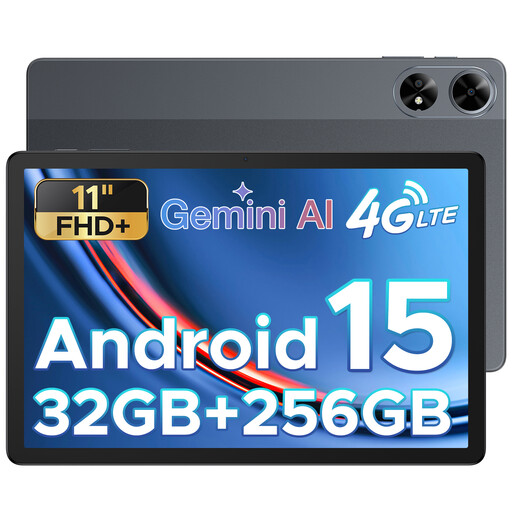
Why This Fits Their Persona: An 11-inch format with mobile support suits shoppers who want mobile browsing, streaming and navigation without moving to a larger, heavier tablet.
The listing identifies a SIM slot, Android 15 and an 8,000mAh battery, rather than relying only on a “5G Wi-Fi” description.
11-inch 1920 × 1200 display, 256GB storage and GPS support.
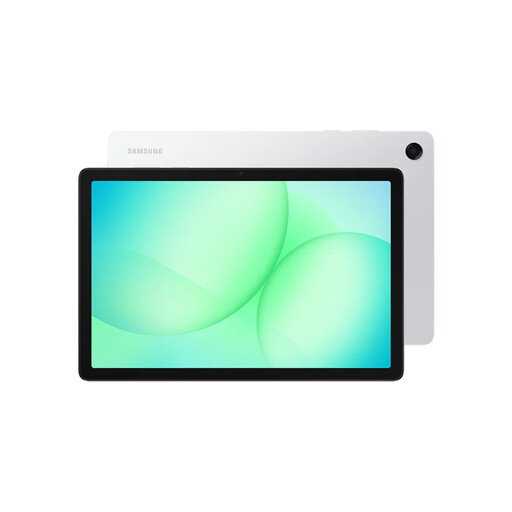
Why This Fits Their Persona: A branded 5G option for households and professionals wanting familiar software features, expandable storage and a headphone socket.
Its specification separates 5G mobile connectivity from Wi-Fi and states the 6GB physical RAM and 128GB storage configuration.
5G, 90Hz 11-inch display, microSD support up to 2TB and quad speakers.
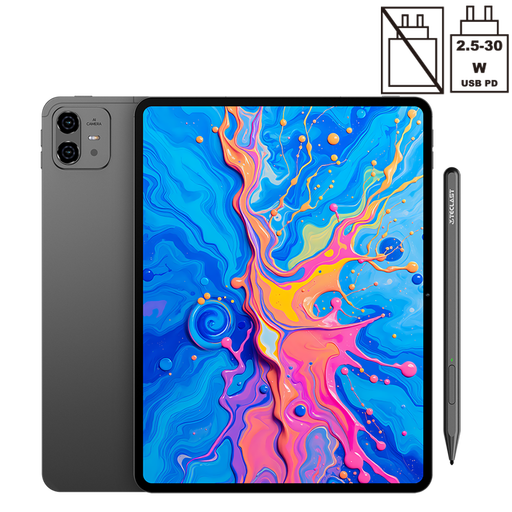
Why This Fits Their Persona: Suitable for drawing, note-taking, large documents and media, with dual SIM 4G LTE for working away from fixed broadband.
The listing explains that its 20GB memory combines 8GB physical and 12GB virtual RAM, making the specification easier to assess.
2K display, 10,000mAh battery, 256GB storage and support for 4,096 pressure levels with a compatible pen.
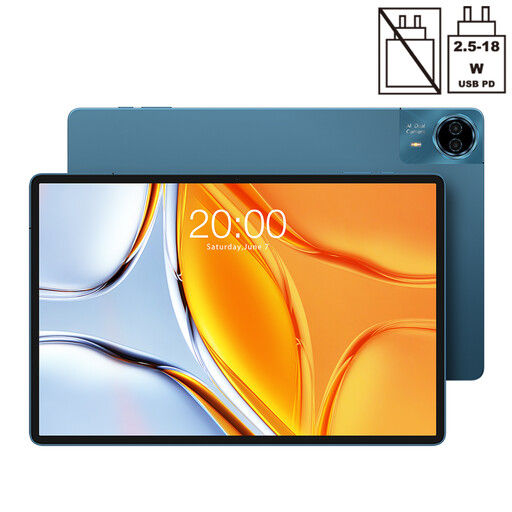
Why This Fits Their Persona: The 14-inch screen gives students and mobile workers more room for documents, online lessons and split-screen use.
The listed mobile connectivity and dual-SIM support help avoid buying a large tablet that is limited to Wi-Fi.
1920 × 1200 display, 256GB storage, 10,000mAh battery and GPS.
We have compiled a complete, real-time list of products that fully satisfy these strict selection criteria and UK safety regulations.
Yes. The tablet needs a compatible nano-SIM or eSIM, depending on the model, plus a mobile data plan from a UK network. Check the tablet’s LTE or 5G bands before committing to a contract or monthly plan.
The tablet itself is only part of the cost. A 5G plan may cost more, while a 4G plan can be sufficient for browsing, video calls and standard-definition streaming. Compare the network tariff, data allowance and local coverage rather than choosing based solely on the connection label.
Service life depends on battery wear, software support, storage demands and physical care. Choosing expandable storage, using a suitable charger and avoiding excessive heat can help maintain everyday usability. Before buying, review the manufacturer’s stated warranty and any available information about software updates.