Who is this for?

Composers with instrument-heavy sessions

If your cues use many tracks, virtual instruments and effects, assess processor capacity, memory and storage alongside your audio interface. Ableton notes that larger plug-in-and-track projects benefit from more capable hardware, but your particular session determines what you need.

Scorers working alongside picture

If animation footage and your DAW must remain visible at the same desk, plan the screen and external-display connections as part of the laptop choice. Video formats and any editing work also affect which picture-handling features are relevant.

Windows-dependent collaborators

If a required application or audio driver needs Windows, establish that compatibility before comparing hardware. For a setup likely to grow, Lenovo describes the ThinkPad P16v Gen 3 battery, storage drives and memory modules as customer-replaceable; check the terms for the configuration you select.

What matters when choosing?

macOS laptop

Consider it when: Your DAW, plug-ins and interface driver support the intended macOS version, and you want to work within that software setup.

Trade-off: Choose memory and internal storage with future projects in mind, and check how the required interface, drives and displays will connect.

Windows laptop

Consider it when: Your required tools are Windows-dependent, or your work calls for a particular workstation configuration or graphics-equipped creator laptop.

Trade-off: Replaceable parts and graphics options depend on the exact model; neither establishes that your audio drivers or DAW will work as intended.

Concern What to check Who this matters to
DAW and plug-in operation Check the exact DAW, plug-ins, operating system and audio-interface driver. For an Ableton Live workflow, its guidance recommends 16GB or more memory; larger sessions may call for a different configuration. If I build cues with many instruments and effects, I need the whole audio setup to work together rather than relying on a processor name alone; around 36% of consumers would make session operation their primary concern.
Memory and SSD headroom Compare your current libraries and project files with the chosen memory and SSD configuration. Check whether expansion or a suitable external drive fits your plan. As my instrument libraries and cue versions grow, I want room for active projects without reorganising storage for every job; roughly 29% of consumers would put that capacity first.
Picture and displays Decide whether you need reference-video playback or will also edit or render footage. Check the selected screen, external-display support and the requirements of your video applications. If picture and the DAW need to stay usable side by side, my screen arrangement matters; around 21% of consumers would prioritise the picture workflow.
Desk connections List the interface, MIDI equipment, display and external storage that must connect at once. Check port types and driver support before choosing a dock. When several devices share my home-office desk, I need to know they can all connect to the intended laptop; approximately 14% of consumers would make that their main concern.

Buying pitfalls

  • Choosing by the CPU or GPU name alone

    Memory, storage, screen and graphics can differ within one laptop family. Lenovo lists different ThinkPad P16v Gen 3 configurations, and ASUS notes that ProArt P16 specifications vary by configuration.

    Keep the exact model number and compare its full specification, operating system, connections and supplied accessories before ordering.

  • Assuming powerful hardware guarantees low-latency audio

    Your DAW, plug-ins and interface driver must also support the intended operating system. Ableton advises checking third-party software and drivers before an OS upgrade.

    Write down the versions you use and confirm support with their makers before selecting the laptop.

  • Allowing space only for current project files

    Sample libraries, video, stems and revised cues can all occupy working storage. Ableton recommends a high-speed SSD, while the capacity needed depends on the size of your own projects and libraries.

    Measure what you use now, allow for working copies and exports, and decide whether an external drive belongs in the desk setup.

  • Using a return option instead of checking compatibility

    Discovering that an interface or plug-in will not work can interrupt a scoring project even if a return option applies.

    Check software, driver and port requirements before purchase, and keep your order details if you need to raise a problem with the seller.

Brands to consider for this setup

Apple

MacBook Air and MacBook Pro are options for composers whose software and audio hardware support macOS.

  • Apple UK lists two Thunderbolt 4 ports for MacBook Air and hardware video-codec support for MacBook Pro.
  • Choose the memory, storage and connections for the configuration you intend to buy; check older plug-ins and interface drivers separately.

Lenovo

The ThinkPad P16v Gen 3 is a Windows mobile-workstation option where the selected configuration and future component replacement matter.

  • Lenovo UK describes its battery, storage drives and memory modules as customer-replaceable.
  • Memory, storage, display and graphics differ between configurations, so the family name does not identify the hardware you will receive.

ASUS

The ProArt P16 line is relevant when the Windows laptop will handle picture-production work as well as scoring.

  • ASUS UK lists ProArt P16 configurations with up to 64GB memory and 4TB SSD storage, alongside discrete graphics options.
  • Display, graphics, memory and storage depend on the configuration; ASUS video-performance descriptions should not be taken as DAW performance results.

Joybuy laptop options

These MacBook Pro configurations suit consideration for a compatible macOS scoring setup; the ProArt P16 is a Windows option for someone also assessing substantial picture work. Compare each listed configuration with your own software, drivers and project size.
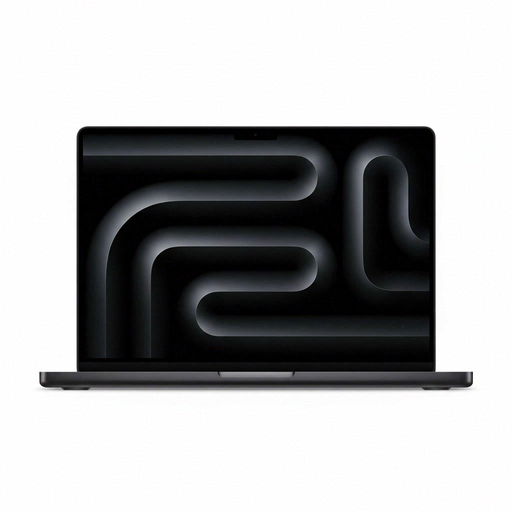
Apple MacBook Pro 14.2-inch M5 Pro, 24GB memory and 2TB SSD, Space Black

Apple MacBook Pro 14.2-inch M5 Pro, 24GB/2TB, Space Black

Consider this configuration if a compatible macOS setup needs room for growing scoring projects. It has a 15-core CPU, 16-core GPU, 24GB unified memory and a 2TB SSD. Check your DAW and interface driver, and confirm which power adapter is included.

View on Joybuy

Apple MacBook Pro 14.2-inch M5 Pro, 24GB memory and 2TB SSD, Silver

Apple MacBook Pro 14.2-inch M5 Pro, 24GB/2TB, Silver

Consider this configuration for a macOS scoring workflow that also keeps picture work on the laptop. Its listed hardware includes an 18-core CPU, 20-core GPU, 24GB unified memory and a 2TB SSD. Confirm software and driver support, and check which power adapter is included.

View on Joybuy

Apple MacBook Pro 16.2-inch M5 Max, 48GB memory and 2TB SSD, Space Black

Apple MacBook Pro 16.2-inch M5 Max, 48GB/2TB, Space Black

Consider the larger screen and memory if your compatible macOS workflow uses substantial projects alongside picture. This variant lists an 18-core CPU, 40-core GPU, 48GB unified memory and a 2TB SSD. Check your DAW, plug-ins and interface driver against the intended macOS version.

View on Joybuy
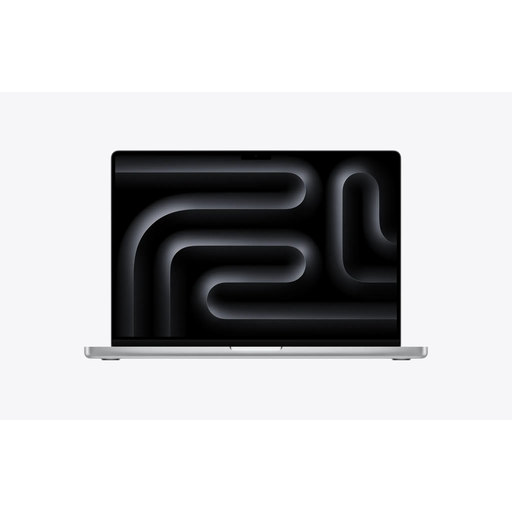
Apple MacBook Pro 16.2-inch M5 Max, 36GB memory and 2TB SSD, Silver

Apple MacBook Pro 16.2-inch M5 Max, 36GB/2TB, Silver

Consider this 16.2-inch configuration if a larger built-in screen is useful at your scoring desk and your tools support macOS. It lists an 18-core CPU, 32-core GPU, 36GB unified memory and a 2TB SSD. Verify the exact DAW, plug-ins and audio-interface driver before buying.

View on Joybuy

ASUS ProArt P16 H7606WW-SE006W with RTX 5080, 64GB memory and 2TB SSD

ASUS ProArt P16 H7606WW-SE006W, RTX 5080, 64GB/2TB

Consider this Windows 11 Home configuration if the same laptop will be assessed for scoring and demanding picture-production tasks. It lists an AMD Ryzen AI 9 HX 370, NVIDIA GeForce RTX 5080 16GB, 64GB RAM, a 2TB SSD and a 16-inch 4K OLED touchscreen. Check whether your video applications use its graphics features and whether your DAW and interface driver support the setup.

View on Joybuy

Common questions

How much memory should I look for when scoring animation?

Start with the requirements of your DAW and instrument libraries. Ableton lists 8GB as required and recommends 16GB or more for Live, while noting that tracks, plug-ins and instruments change what a project needs; compare larger templates with the memory in the exact laptop configuration.

Do I need a dedicated GPU to score to picture?

Not automatically: reference-video playback and demanding video production are different workloads. Check the formats and requirements of your picture applications before choosing graphics hardware, while still assessing the CPU, memory, storage and drivers needed by your DAW.

Should I update macOS or Windows as soon as a new version appears?

Check compatibility first. Ableton advises confirming third-party plug-ins and drivers before an operating-system upgrade, and Steinberg publishes system requirements by product and supported OS version.

What should I check about my audio interface before buying?

Confirm its driver supports the exact operating system you intend to use, then check its connection and the ports needed by your other desk equipment. Ableton recommends low-latency interfaces with suitable drivers, but that guidance does not establish compatibility for an individual interface.

What if an online laptop purchase is not right for me?

Changing your mind and reporting a fault are different situations for a UK online purchase. GOV.UK describes refunds for faulty or misdescribed goods; check the applicable cancellation terms separately if the laptop works but does not suit your setup, and keep your order details.