
24/7 Customer Support

Free returns

Same-day & Next-day Delivery

Quality Guaranteed

Unlock Your Welcome Offers: FREE Delivery | Up to 80% OFF | Free 30-day JoyPlus trial
Download the APP
An anti-ageing face cream can make skin feel more comfortable and appear smoother, but choosing one based only on phrases such as “lifting”, “youth-boosting” or “deep repair” can lead to disappointment. Marketing language often describes an intended cosmetic effect rather than a guaranteed result.
For UK shoppers, three common pitfalls deserve attention:
A sensible purchase starts with your skin’s needs, not the price tag or a dramatic before-and-after claim.
For dehydrated or dry mature skin, look for a combination of humectants, emollients and occlusive ingredients.
A lightweight formula may be preferable for combination skin, while a rich cream for dry mature skin can offer more comfort when tightness and flaking are the main concerns. “Firming face cream” and “lifting face cream” descriptions should be treated as indicators of intended use, not promises of a physical lift.
Peptides, niacinamide, vitamin C derivatives, algae extracts and hyaluronic acid are commonly used in anti-ageing skincare. Their presence does not automatically make one formula suitable for everyone, so consider how the product fits into your existing routine.
If you already use exfoliating acids, retinoids or concentrated serums, adding several active products at once can make it difficult to identify what is causing irritation. Introduce one new product at a time and follow the stated directions.
For sensitive skin, a fragrance-free formula may be a practical choice. A patch test on a small area is advisable, particularly if the product contains parfum, essential oils or multiple botanical extracts.
A 50 ml jar is common, but the amount required varies according to texture and whether you apply it to the neck and décolletage. A product labelled for both face and neck may be more convenient than using separate products.
For daytime use, apply a suitable sunscreen separately, as most face creams do not replace dedicated UV protection. A night formula can be richer and may include ingredients intended for overnight skincare, making an anti-wrinkle night cream useful if dryness is more noticeable by morning.
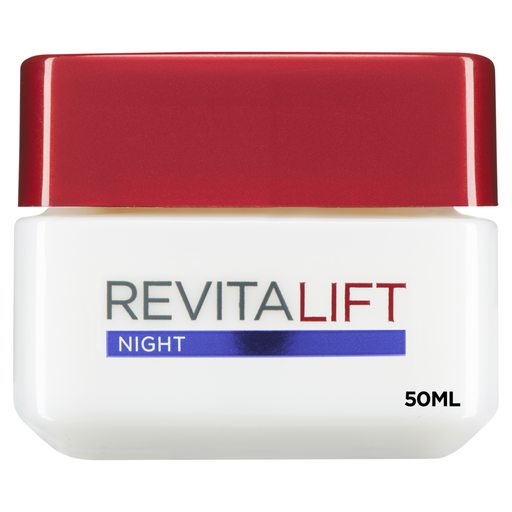
Why This Fits Their Persona: A practical evening option for shoppers beginning a structured anti-ageing routine without choosing a luxury-priced cream.
Its ingredient list identifies retinyl palmitate, sodium hyaluronate and nourishing emollients, rather than relying only on a “firming” label.
Night-use format; includes glycerin, apricot kernel oil and a pro-retinol derivative. Follow the label and stop if irritation occurs.
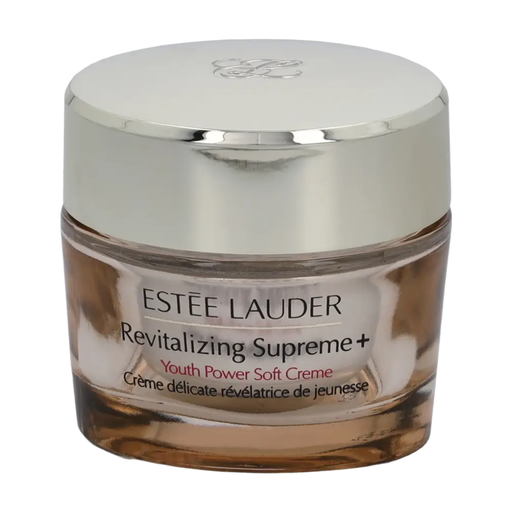
Why This Fits Their Persona: Suits shoppers seeking a silky, indulgent cream for morning and evening use across the face and neck.
The product information specifies its soft cream texture, face-and-neck use and refillable glass jar, helping you assess practical value beyond presentation.
Contains glycerin, sodium hyaluronate, shea butter and botanical extracts; described as quick-absorbing without an oily feel.
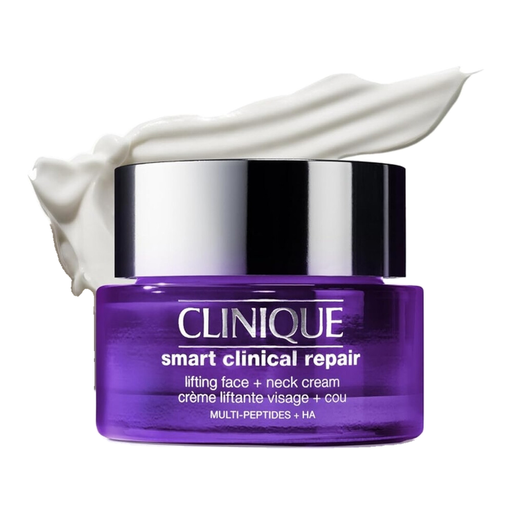
Why This Fits Their Persona: Designed for shoppers who want one rich formula for the face, jawline and neck, particularly when neck dryness is part of the concern.
It is listed as fragrance-free and non-comedogenic, giving sensitive-skin shoppers clearer selection information than a generic “gentle” claim.
Includes a multi-peptide complex, shea butter, mango seed butter and sodium hyaluronate; suitable for face-and-neck application.
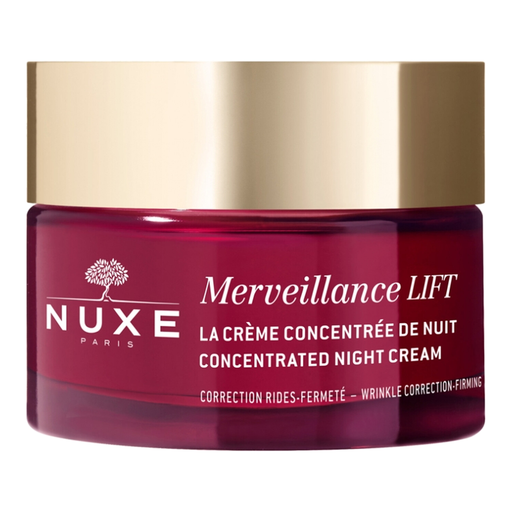
Why This Fits Their Persona: A rich evening choice for normal-to-dry skin that needs a more enveloping texture during colder UK nights.
Its stated evening use and rich texture make the routine fit clear; shoppers sensitive to fragrance should note parfum and listed fragrance allergens.
Contains squalane, shea butter and sunflower seed oil; the formula is described as vegan and made with 97% natural-origin ingredients.
Apply skincare to clean, slightly damp skin after serum, unless the product directions state otherwise. Use a small, even amount rather than a thick layer: excess product can feel greasy and may pill beneath make-up.
For a neck and face cream, smooth from the centre outwards and use gentle upward movements. Avoid dragging the skin or applying directly to the eye area unless the packaging specifically permits it. Keep jars closed, store them away from heat and sunlight, and check for changes in smell, colour or texture.
An anti-ageing face cream is usually positioned around concerns such as fine lines, firmness or radiance and may contain ingredients including peptides, niacinamide or vitamin derivatives. A regular moisturiser primarily focuses on hydration and comfort. The categories can overlap, so compare the ingredient list and texture rather than relying on the product name alone.
Usage varies according to how much you apply and whether you include the neck. A small, consistent layer used once or twice daily will generally last longer than generous applications. Follow the product’s recommended amount and check the open-jar period and storage guidance on the packaging.
It can be, but suitability depends on the complete formula. Look for clear fragrance information, avoid applying to broken or irritated skin, and carry out a patch test before wider use. If persistent redness, itching or discomfort develops, discontinue use and seek appropriate professional advice.