
24/7 Customer Support

Free returns

Same-day & Next-day Delivery

Quality Guaranteed

Unlock Your Welcome Offers: FREE Delivery | Up to 80% OFF | Free 30-day JoyPlus trial
Download the APP
Fine lines, dryness, dullness and loss of firmness can make choosing skincare feel unnecessarily complicated. Packaging often promises a younger-looking complexion, rapid wrinkle reduction or a lifted appearance, yet the formula may not suit your skin type, routine or budget.
A sensible approach is to look beyond the front label. Check the intended use, active ingredients, sun protection, texture and full ingredient list before buying an anti-ageing face cream.
Statements such as “visible results in days” usually describe a specific study, product test or brand assessment. They do not guarantee the same outcome for every person. Wrinkle appearance is affected by hydration, sun exposure, skin type and how consistently the product is used.
Look for realistic, user-perceivable benefits such as:
A rich night cream for mature skin may feel comfortable before bed but leave combination skin looking greasy during the day. Conversely, a lightweight day lotion may not provide enough nourishment for dry skin overnight.
Day creams may also include SPF, while night formulas generally focus on emollients and moisture retention. Use each product according to its stated directions rather than applying a product everywhere simply because it is marketed as anti-wrinkle skincare.
A day cream with SPF can add convenient daily protection, but the protection level depends on how much is applied and whether it is reapplied. SPF15 or SPF25 may not be sufficient for prolonged outdoor exposure, particularly during bright summer conditions.
For regular outdoor time, follow the product’s instructions and consider a separate broad-spectrum sunscreen. Sun protection remains important when your main concern is wrinkles or age spots.
For dry or mature skin, ingredients such as glycerin, squalane, shea butter, macadamia oil and hyaluronic acid can help the skin feel softer and less tight. A nourishing moisturiser for mature skin may be preferable in colder months or centrally heated homes.
Combination skin may suit a lighter lotion or cream containing humectants such as glycerin and sodium hyaluronate. If you are prone to sensitivity, check for fragrance, essential oils, alcohol and known allergens. A patch test on a small area is a sensible precaution.
Some formulas are designed for the face only, while others can be smoothed over the neck. If sagging or dryness around the jawline is a concern, look for a product specifically labelled for face and neck use. A dedicated firming neck cream can also be considered, although consistency and sun protection are usually more important than using a separate jar.
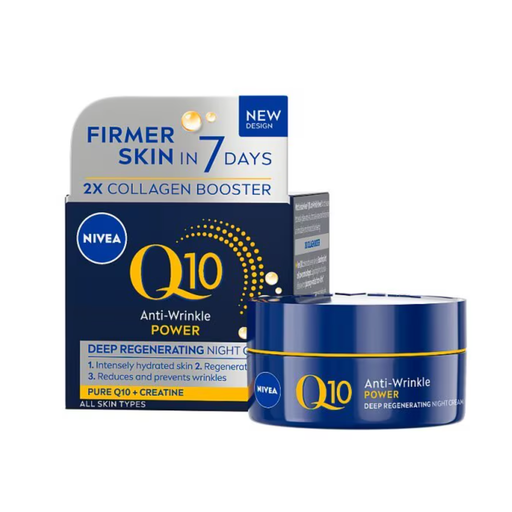
Why This Fits Their Persona: A straightforward overnight option for shoppers starting a regular routine without adding separate day and night treatment steps.
It is clearly labelled as a night cream, reducing the risk of expecting daytime SPF from an overnight formula.
Contains glycerin, squalane, Q10, panthenol and creatine; the 50ml cream is intended for nightly use.
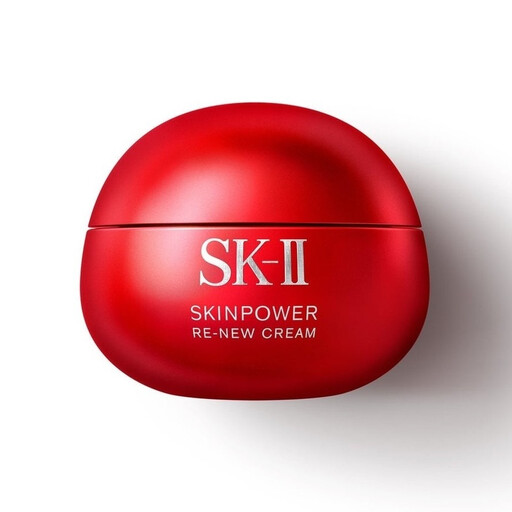
Why This Fits Their Persona: Suits shoppers who prefer a larger premium cream for morning and evening use across dry, combination or mature skin.
Its ingredient list and 80g size make the product format clear, rather than relying only on a vague firming claim.
Includes niacinamide, peptides, squalane and sodium hyaluronate; the texture is described as rich but lightweight.
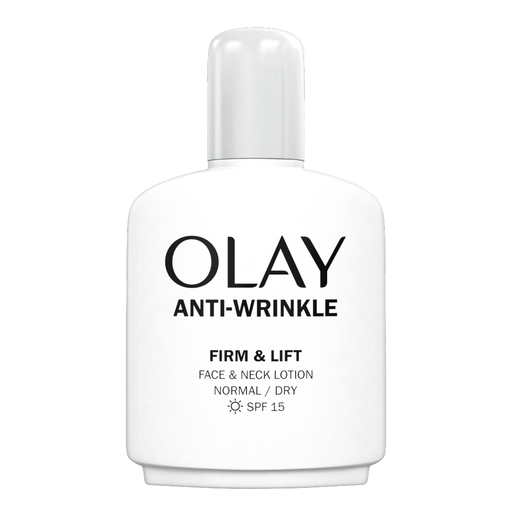
Why This Fits Their Persona: A practical morning lotion for people who want one product labelled for both face and neck before leaving home.
The SPF15 rating is stated clearly, so buyers can judge whether they need additional sunscreen for outdoor exposure.
100ml size; includes niacinamide and pro-vitamin B5 and is designed for face and neck application.
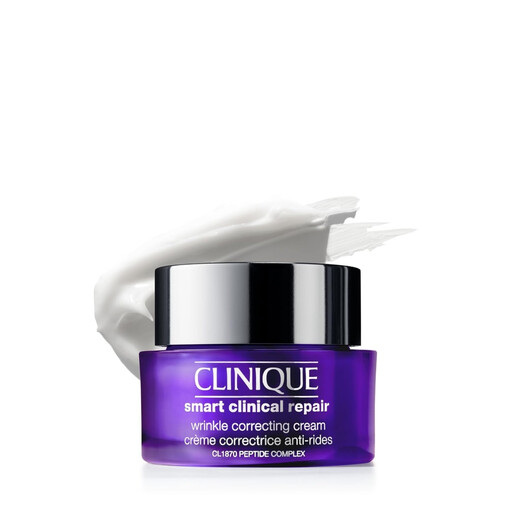
Why This Fits Their Persona: Suitable for shoppers seeking a fragrance-free moisturising step for repeated morning and evening use.
The listed formula is fragrance-free and does not rely on retinol, which may appeal to users who want to avoid those ingredients.
Contains peptides, dual molecular weight hyaluronic acid and soybean seed extract; suitable for face and neck use.
We have compiled a complete, real-time list of products that fully satisfy these strict selection criteria and UK safety regulations.
There is no single ingredient that suits everyone. For dry skin, start with a moisturising base containing glycerin, squalane, hyaluronic acid, shea butter or nourishing oils. If you want a retinoid-style product, introduce it gradually and avoid combining several potentially irritating products at once.
Most moisturising anti-wrinkle creams are designed for regular use, but follow the product directions. Apply to clean skin, avoid the eye area unless specifically permitted, and stop using the cream if persistent redness, itching or burning develops. A patch test is particularly sensible for sensitive skin.
A 50ml jar commonly lasts several weeks to a few months, depending on whether it is used once or twice daily and how much is applied. Keep the container closed, store it away from heat and sunlight, and check the packaging for the period-after-opening symbol or expiry information.