
24/7 Customer Support

Free returns

Same-day & Next-day Delivery

Quality Guaranteed

Unlock Your Welcome Offers: FREE Delivery | Up to 80% OFF | Free 30-day JoyPlus trial
Download the APP
Fine lines, dryness, dullness and uneven tone can make choosing an anti-ageing face cream surprisingly difficult. Shelves are crowded with wrinkle creams, firming face creams and mature skin moisturisers promising visible transformation, but impressive wording does not always explain what a formula can realistically do.
The right choice depends on your skin type, routine and the ingredients you are comfortable using. It also helps to recognise common marketing traps before spending money.
A product may highlight retinol, collagen, vitamin C or hyaluronic acid on the front of the packaging. However, the ingredient list, format and intended use matter more than a large headline claim. For example, collagen in a topical cream can contribute to a moisturised, smoother-feeling surface, but it should not be treated as a replacement for the body’s own collagen.
Look for a complete formula containing humectants, emollients and barrier-supporting ingredients rather than focusing on one fashionable component.
A day cream with SPF can be convenient, but SPF15 or SPF30 moisturiser is not automatically equivalent to a dedicated sunscreen in every situation. Coverage depends on applying enough product and reapplying when exposed to strong sunlight, sweating or extended outdoor activity.
For a daily commute, an SPF moisturiser may fit neatly into your routine. For holidays, gardening or long periods outdoors, consider a separate broad-spectrum sunscreen.
A nourishing night moisturiser may feel comfortable on dry skin but heavy on oily or combination skin. Conversely, a lightweight water cream may not provide enough comfort during cold, dry UK weather.
Fragrance, denatured alcohol, essential oils and active ingredients can also be unsuitable for some sensitive skin. Always check the current packaging and ingredient list, and patch test new products where appropriate.
A daytime product should sit comfortably under makeup and ideally include UV filters. The L’Oréal Paris Revitalift Anti-Ageing + Firming Pro Retinol Day Cream, for example, lists SPF30 and Pro-Retinol in its product information.
Night formulas can be richer and may contain retinoids or other ingredients intended for gradual introduction. If using retinol, wear sun protection during the day and avoid combining several potentially irritating actives at once.
For dry or mature skin, creams containing shea butter, oils, glycerin or ceramides may offer a more comfortable finish. Combination and oily skin may prefer an oil-free lotion or water cream.
Check the product size, storage advice and packaging seal. Pump packaging can reduce repeated contact with the formula, while jars may require clean hands or a spatula. Always follow the stated shelf-life guidance and stop using a product if persistent irritation develops.
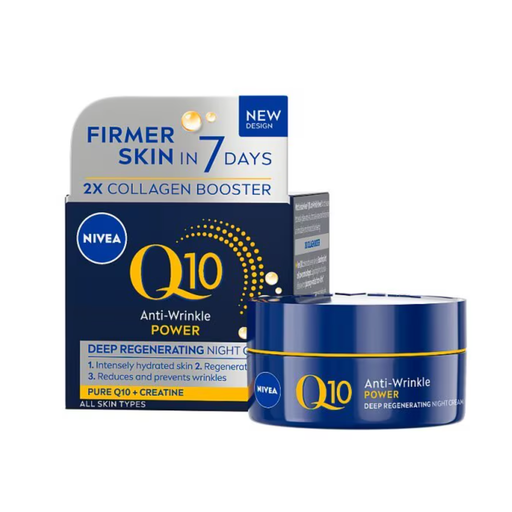
Why This Fits Their Persona: A straightforward overnight moisturiser for shoppers beginning an anti-ageing routine without combining several treatment products.
Its listed formula focuses on Q10, creatine, glycerin and nourishing emollients rather than relying on one headline ingredient.
Night-time use, 50ml format and a rich texture designed for overnight nourishment.
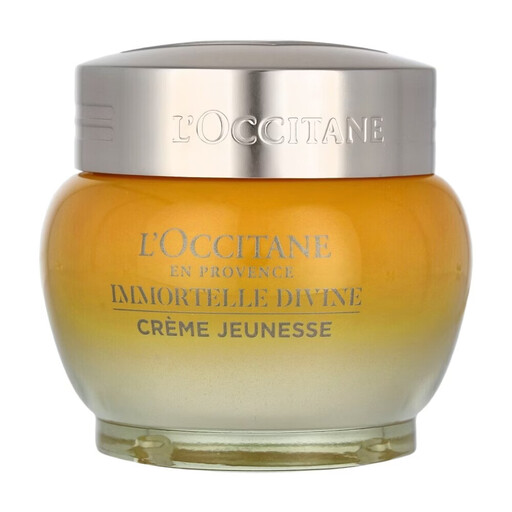
Why This Fits Their Persona: Suits shoppers who value a refined cream texture, botanical oils and a more indulgent daily skincare experience.
The product details identify its moisturising oils, sodium hyaluronate and ascorbyl glucoside, allowing a more informed choice than packaging language alone.
Silky texture and several conditioning oils for skin that feels softer and more comfortable.
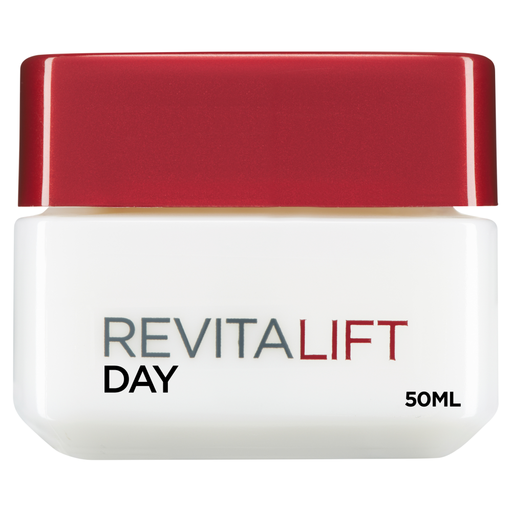
Why This Fits Their Persona: A practical option for adults wanting one morning cream that combines moisturising care, Pro-Retinol and SPF30.
The listing clearly states its intended daytime use, SPF30 filters and possible mild tingling, helping users set realistic expectations.
SPF30, Pro-Retinol and a quick-absorbing cream texture in one 50ml product.
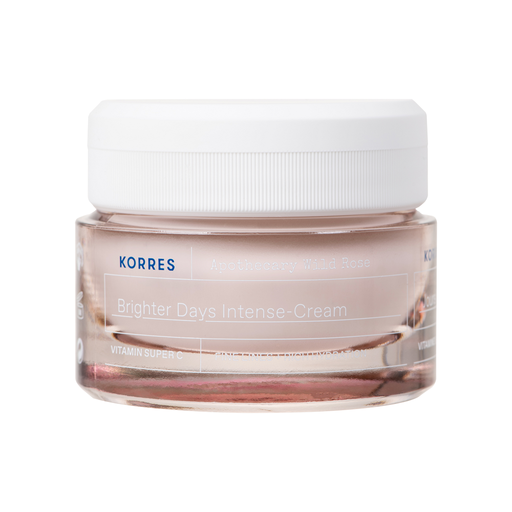
Why This Fits Their Persona: Its rich texture is intended for ultra-dry skin needing a more comforting morning moisturiser.
The product description makes its rich, ultra-dry-skin positioning clear, reducing the risk of buying a heavy texture for oily skin.
Includes shea butter, hyaluronic acid and wild rose oil, with a rich cream consistency.
We have compiled a complete, real-time list of products that fully satisfy these strict selection criteria and UK safety regulations.
Apply moisturiser to clean skin, normally after lighter serums and before makeup in the morning. Use enough product to cover the face and neck without vigorous rubbing. If your skin is sensitive, introduce one new active at a time and patch test first.
A retinol night cream should generally be introduced gradually rather than used alongside multiple exfoliating acids immediately. If you experience ongoing burning, swelling, rash or significant discomfort, discontinue use and seek appropriate medical advice. Cosmetic creams are designed for appearance and hydration; they are not treatments for diagnosed skin conditions.
Hydration and softness may be noticeable quickly, while the appearance of fine lines, uneven tone or firmness usually requires consistent use over several weeks. Results vary according to the formula, skin condition and wider routine.
Yes, if the texture suits you, but a day cream with SPF is primarily designed for daytime use. At night, a simple night moisturiser may be more comfortable, particularly if you want to use a retinol or other targeted product separately.
It can be, but suitability depends on the full ingredient list. Fragrance, retinoids, essential oils and some preservatives may cause sensitivity for certain users. Choose a product labelled for your skin needs, patch test before facial use and follow the product warnings.