
24/7 Customer Support

Free returns

Same-day & Next-day Delivery

Quality Guaranteed

Unlock Your Welcome Offers: FREE Delivery | Up to 80% OFF | Free 30-day JoyPlus trial
Download the APP
Fine lines, dryness and loss of firmness are common reasons to look for an anti-ageing face cream. However, a higher price or a long ingredient list does not automatically make a cream suitable for your skin. The right choice depends on your skin type, daily routine and the specific benefits you want from a moisturiser.
A cream containing humectants such as glycerin or hyaluronic acid can make skin feel smoother and look temporarily plumper by increasing surface hydration. This can soften the appearance of dehydration lines, but it is not the same as permanently removing wrinkles.
Be cautious of wording such as “lifts”, “rebuilds” or “reverses ageing”. A cream for fine lines should be judged by its stated ingredients, texture, directions and suitability for your skin rather than by dramatic before-and-after language.
Botanical oils and essential oils can give a product a pleasant texture or fragrance, but they may not suit everyone. Several naturally positioned creams contain parfum or fragrance allergens such as limonene and linalool.
If your skin is reactive, check the full ingredients list and consider a patch test. A fragrance-free formula may be a more practical option than choosing solely by natural-origin percentages.
An SPF face cream can be useful in a morning routine, but the protection level and application amount matter. SPF15 or SPF30 in a moisturiser should not be treated as a substitute for a dedicated sunscreen during prolonged outdoor exposure, particularly during bright summer days or holidays.
Look for clearly stated UVA and UVB protection, apply enough product and reapply sunscreen as directed when spending extended time outdoors.
Texture affects whether you will use a cream consistently.
A firming face cream can support a smoother, more supple feel, but no topical cream should be presented as a medical treatment or guaranteed way to change facial structure.
Ingredient names can indicate what a formula is designed to do:
Most face creams in this selection range from 40ml to 80ml. A 40ml jar may be convenient for trying a richer formula, while an 80ml size can suit people who use cream on both the face and neck morning and evening.
Also check whether the product is intended as a day cream, night cream or both. A morning formula with SPF can simplify your routine, while a richer cream may be more comfortable at night. Always follow the product’s directions and avoid the eye area unless the packaging specifically says otherwise.
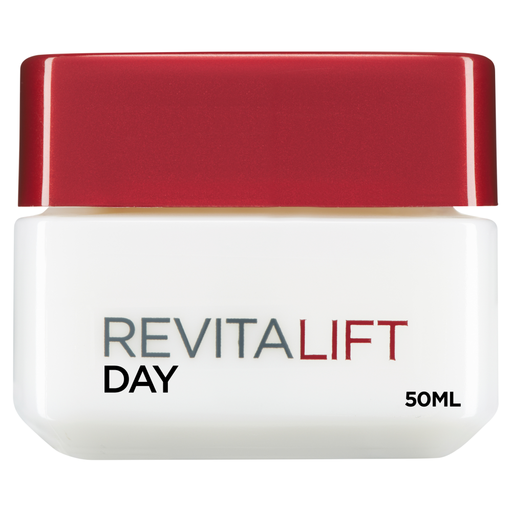
Why This Fits Their Persona: A straightforward morning option for shoppers who want an anti-ageing moisturiser with SPF in one product.
Its Pro-Retinol positioning is paired with clearly stated SPF30 filters, making the intended daytime use easy to identify.
50ml size, SPF30 and a lightweight cream texture. Follow the label if tingling or irritation occurs.
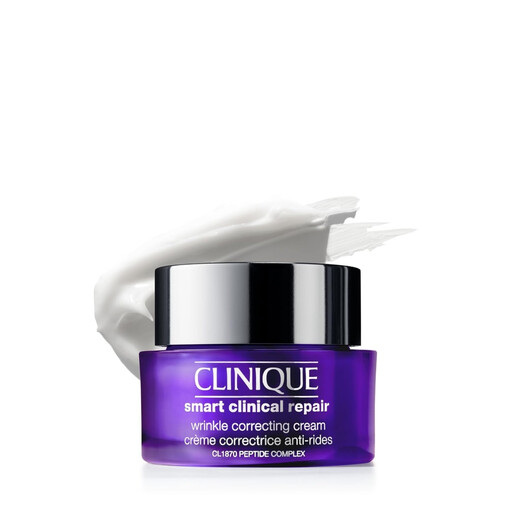
Why This Fits Their Persona: Suits shoppers who prioritise a fragrance-free moisturiser and a carefully specified formula for mature or sensitive-feeling skin.
The product information identifies it as fragrance-free, helping avoid the assumption that a scented cream is automatically more effective.
Contains sodium hyaluronate and peptide ingredients; the formula is listed as free from fragrance, oil, preservatives and phthalates.
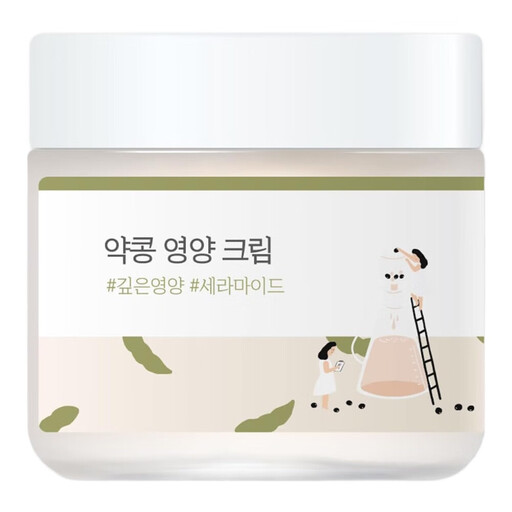
Why This Fits Their Persona: The larger 80ml format works well for people applying cream morning and evening across the face and neck.
It combines a rich moisturising base with a non-sticky finish, addressing the common problem of avoiding heavy creams during daytime use.
Includes soybean extract, ceramide NP, panthenol and adenosine; listed as free from artificial fragrance, ethanol, mineral oil and essential oils.
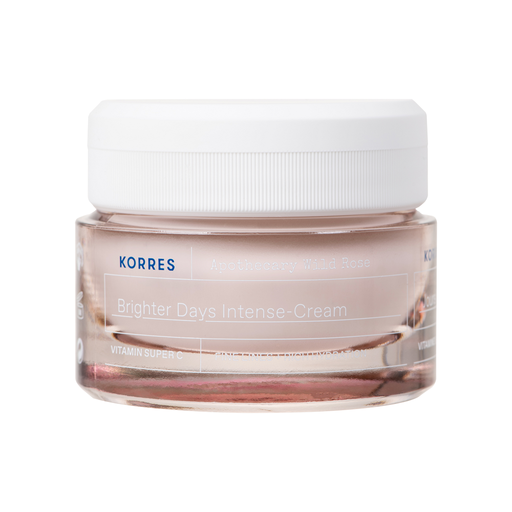
Why This Fits Their Persona: Designed for ultra-dry skin, it suits people who prefer a rich morning cream that also supports a brighter-looking complexion.
The rich texture is clearly matched to ultra-dry skin, so shoppers can avoid choosing a lightweight gel when their main issue is tightness.
Contains glycerin, squalane, shea butter, aloe vera and hyaluronic acid; vegan formula with 94.5% natural-origin content.
We have compiled a complete, real-time list of products that fully satisfy these strict selection criteria and UK safety regulations.
Apply the cream to clean skin after lighter products such as toner or serum. Use a small, even amount over the face and neck, avoiding the eye area. A consistent routine is generally more practical than applying a large amount occasionally.
For creams containing retinol-related ingredients, introduce the product according to the label and use sun protection during the day. If redness, itching, swelling or persistent stinging develops, stop use. People with particularly sensitive skin may wish to patch test first.
Shelf life varies by formula, packaging and storage conditions. Follow the period-after-opening symbol and the information printed on the packaging. Keep the jar or tube closed, store it in a cool, dry place and avoid leaving it in direct sunlight or near heat.
Many products are designed for daily morning or evening use, but the correct frequency depends on the formula. Basic hydrating creams can usually fit easily into a daily routine, while products containing retinol-related ingredients may require gradual introduction. Always follow the product directions.
Hydration can improve the appearance of dryness-related lines and help skin feel more comfortable, but mature skin may also need a suitable cleanser, daily UVA/UVB protection and a texture that supports the skin barrier. Compare the ingredients, fragrance profile, SPF level and intended use before purchasing.