
24/7 Customer Support

Free returns

Same-day & Next-day Delivery

Quality Guaranteed

Unlock Your Welcome Offers: FREE Delivery | Up to 80% OFF | Free 30-day JoyPlus trial
Download the APP
Fine lines, dehydration, dullness and loss of firmness can make choosing an anti-ageing face serum surprisingly difficult. Product labels often highlight impressive-sounding percentages, “deep penetration” and rapid visible results, yet these phrases do not always tell you whether a formula suits your skin or daily routine.
As the Joybuy Product Recommendation Officer, my role is to filter the marketing language and focus on practical details: ingredients, texture, packaging, usage and value. Here are the main buying traps to avoid before choosing a serum for fine lines and wrinkles.
A high concentration of hyaluronic acid, collagen or another active ingredient may sound appealing, but it does not automatically make a serum suitable for everyone. A formula also contains humectants, emollients, preservatives and sometimes fragrance or alcohol.
For example, a hyaluronic acid serum may provide a plumper-looking finish by helping the skin hold water, but it still needs to be followed by a moisturiser. Otherwise, the comfortable hydrated feeling may not last, particularly in centrally heated homes or cold, windy UK weather.
Terms such as “filler”, “lifting” and “wrinkle reduction” generally describe the product’s intended cosmetic appearance. A serum can make dehydrated fine lines look softened or skin appear smoother, but it cannot replicate professional cosmetic procedures.
Be cautious with precise time-based claims unless you understand how the result was measured. A temporary smoothing effect from hydration or light-reflecting ingredients is different from a long-term change in skin structure.
A product may be described as gentle or suitable for all skin types, but individual ingredients can still cause discomfort. Fragrance, essential oils, denatured alcohol, niacinamide or botanical extracts may not suit every user.
Packaging also affects convenience. A 15ml targeted serum may be useful for occasional application, while a 55ml or 300ml bottle may offer better value for full-face daily use. Single-use ampoules can be practical for travel, but create more packaging waste.
Choose one main goal first. A skin-plumping serum may be more suitable for dehydration, while a firming serum may appeal to shoppers concerned with suppleness. Those seeking a pore-tightening serum should remember that pores cannot be permanently closed; products can instead improve the look of texture and shine.
Water-light formulas are convenient for oily, combination or dehydrated skin and tend to sit comfortably under sunscreen and make-up. Creamier or oil-serum textures may suit dry skin, especially during colder months.
Apply serum after cleansing and, where used, toning. Follow with moisturiser to reduce moisture loss, and use sunscreen in the morning. If combining several strong products, introduce one new formula at a time rather than layering multiple unfamiliar actives.
Compare millilitres as well as price. A 30ml serum used once daily may last differently from a 15ml targeted treatment used only around the eyes or mouth. Review the current ingredient list on the packaging, particularly if you have sensitive skin or known allergies.
Patch testing is sensible before applying a new serum for mature skin across the face. Avoid the eye area unless the label specifically permits it, and stop use if persistent irritation develops.
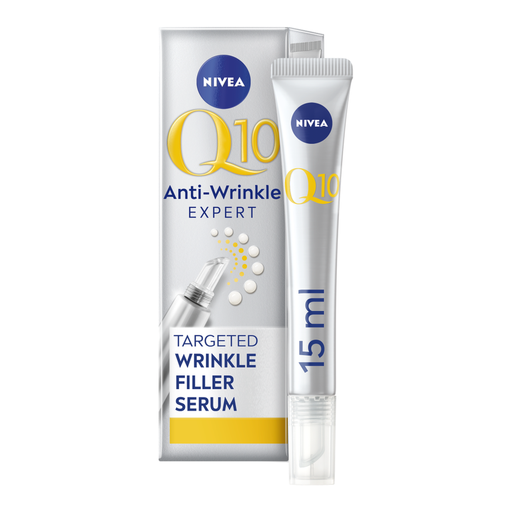
Why This Fits Their Persona: The compact 15ml format suits shoppers beginning a targeted routine for forehead, eye-area, lip-area or nasolabial lines.
Its targeted format helps avoid paying for a large bottle when only small areas require application. The formula includes Q10, peptides, glycerin and sodium hyaluronate.
Small dosage format; designed for targeted application rather than full-face layering.
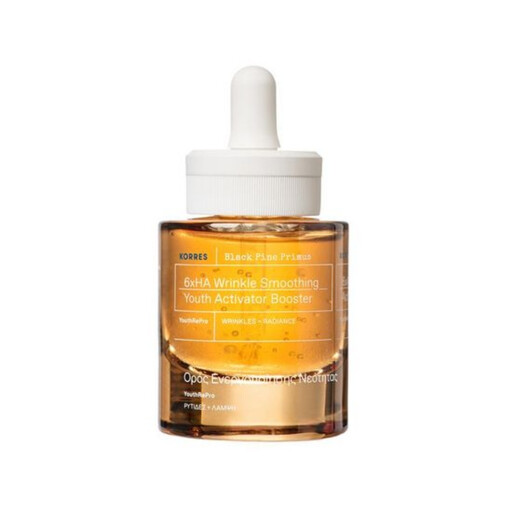
Why This Fits Their Persona: A water-gel texture and six types of hyaluronic acid suit shoppers wanting a refined, hydrating layer beneath moisturiser.
The ingredient list can be checked rather than relying only on youth-focused language. It specifies multiple hyaluronic acid forms and acetyl hexapeptide-8.
Lightweight water-gel texture; 30ml size; dermatologically tested according to the supplied product information.
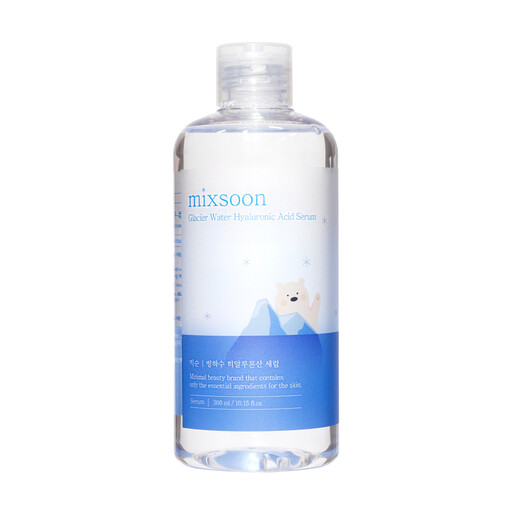
Why This Fits Their Persona: The 300ml size is practical for frequent layering, dry-skin routines or shoppers who use a hydrating serum on the face and neck.
The large capacity makes the usage cost easier to assess. Its supplied ingredient list is short, featuring water, glacier water, butylene glycol and sodium hyaluronate.
300ml format; water-light texture; suitable for layering when skin feels tight or dehydrated.
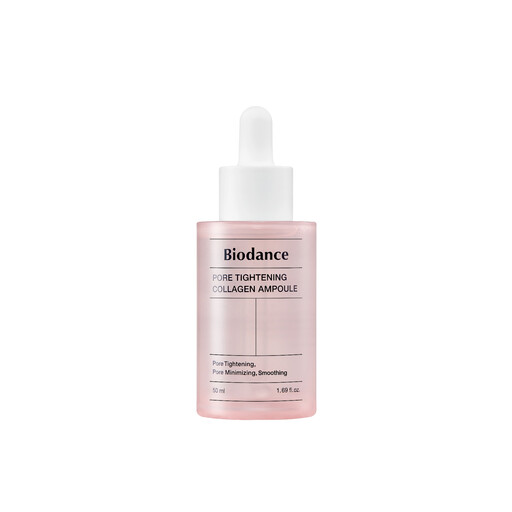
Why This Fits Their Persona: This Korean skincare serum is aimed at shoppers focusing on visible pores, uneven texture and combination skin rather than dehydration alone.
It frames pore care as an appearance and texture concern, not permanent pore closure. The formula lists collagen extract, niacinamide, panthenol and several hyaluronic acid forms.
50ml size; lightweight ampoule texture; includes panthenol and allantoin in the listed formula.
We have compiled a complete, real-time list of products that fully satisfy these strict selection criteria and UK safety regulations.
Apply a small amount to cleansed skin, usually before moisturiser. Start once daily if your skin is sensitive, then follow the product directions. In the morning, finish with sunscreen. Avoid applying directly to the eyes unless the product is intended for that area.
This depends on the bottle size, dosage and frequency. A 30ml bottle used with two or three drops daily may last longer than a 15ml targeted product used generously. Store it away from direct sunlight and check the packaging for the period-after-opening symbol or other storage guidance.
It can be worthwhile if it matches your main concern and you will use it consistently. Compare the ingredient list, size, texture and recommended frequency rather than paying only for a prominent claim. For dehydration-related fine lines, a straightforward hydrating face serum may be more suitable than a complex formula with many actives.