
24/7 全天候客户支持

免费退货

当日/次日达

品质保障

开启新人专享福利: 全场免邮 | 低至 2 折 | 免费试用 30 天 JoyPlus 会员
下载 Joybuy
For adults looking to improve the appearance of fine lines, loss of firmness or uneven texture, anti-ageing serums can be a useful addition to a daily skincare routine. However, a higher price or impressive-sounding ingredient is not automatically a reason to buy.
The right choice depends on your main concern, the formula’s ingredient list and whether the product suits your routine. This guide explains the practical checks to make before buying an anti-wrinkle serum, firming serum or plumping serum in the UK.
Some wrinkle filler serums create a temporary smoothing or blurring effect through humectants, silicones or light-reflecting ingredients. This may make skin look more even immediately, but it is different from a formula designed for consistent hydration or improved-looking firmness over time.
Look for clear information about how the product is intended to work, rather than relying on dramatic timing claims. A serum may make skin feel plumper after application without permanently changing the structure of wrinkles.
A product may highlight “pure” hyaluronic acid, collagen or peptides, but the percentage alone does not explain the full formula. Different forms of an ingredient can have different roles, while supporting ingredients affect texture, comfort and moisture retention.
For example, a hyaluronic acid serum may combine several molecular forms for surface hydration and a smoother-feeling finish. A collagen serum may contain collagen-derived ingredients that condition the skin, but shoppers should not assume that a topical serum replaces the body’s own collagen.
Mature or dry skin can still be sensitive. Fragrance, essential oils and denatured alcohol are not automatically unsuitable, but they may be worth checking if your skin reacts easily. Always read the full ingredient list, particularly when buying a product for the face, neck or eye area.
Use your main skin concern as the starting point:
A water-gel serum can layer easily under moisturiser and make-up, while an oil-serum may suit dry skin or evening use. Two-step systems, such as separate day and night serums, offer a more structured routine but require extra time and consistency.
Apply serum to clean skin, then follow with moisturiser. In the morning, use sunscreen as the final skincare step. A serum cannot replace daily UV protection, which is an important part of managing the visible effects of environmental exposure.
A 15ml targeted serum may be practical when treating specific areas, while a 30ml bottle is more typical for face-and-neck use. Follow the stated dosage rather than applying more in the hope of faster results.
Patch testing is sensible when trying a new product, especially if the formula contains fragrance, essential oils, acids or multiple active ingredients. Stop using the product if irritation develops and avoid direct contact with the eyes.
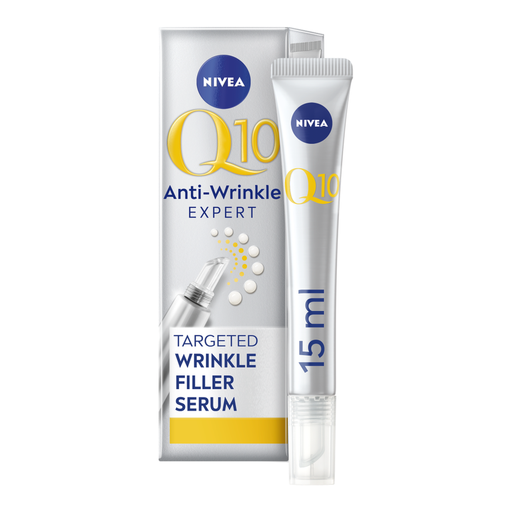
Why This Fits Their Persona: The 15ml targeted format suits shoppers who want to focus on the forehead, eye, lip or nasolabial areas without committing to a full-face serum.
Its intended use is clearly defined as a targeted treatment, helping avoid paying for a large bottle when only selected areas need attention.
Contains Q10, peptides, glycerin and sodium hyaluronate; the small applicator format supports precise use.
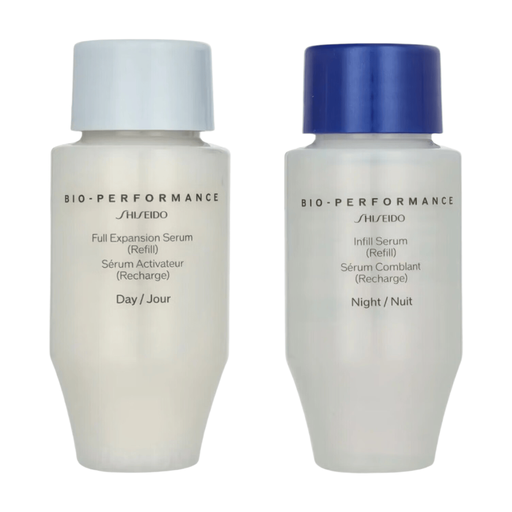
Why This Fits Their Persona: This suits shoppers comfortable with a structured morning-and-evening routine and interested in a refill format.
The duo’s day and night roles are specified, so users can understand when each serum belongs in the routine rather than layering several similar products.
Includes separate Infill and Full Expansion serums; the listing states the refill packaging uses less plastic than the regular package.
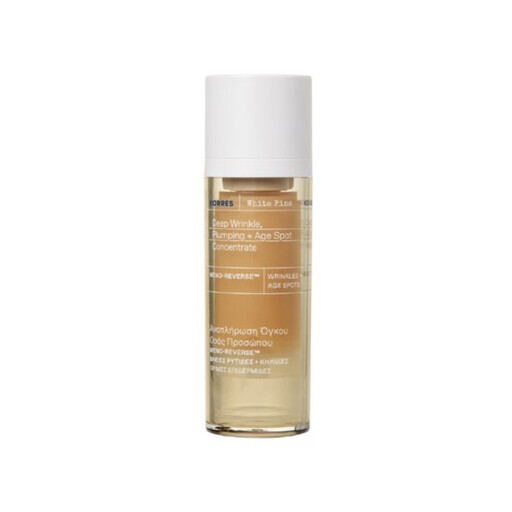
Why This Fits Their Persona: Designed specifically for post-menopausal women concerned with sagging-looking skin, deep wrinkles and age spots.
Its product positioning identifies a specific life-stage need, making it easier to compare against general anti-ageing serums with less targeted descriptions.
Contains white pine bark extract, glycerin and sodium hyaluronate; the formula is listed as 94.1% natural-origin content.
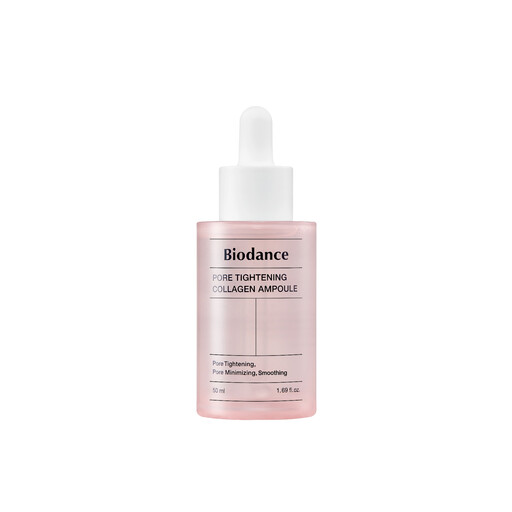
Why This Fits Their Persona: A practical option for shoppers prioritising visible pores, uneven texture and excess oil alongside a firmer-looking complexion.
It addresses pore appearance and texture directly, rather than asking shoppers to buy a wrinkle-focused product that may not match combination skin.
The ingredient list includes niacinamide, collagen extract, multiple hyaluronic acid forms and panthenol in a 50ml format.
We have compiled a complete, real-time list of products that fully satisfy these strict selection criteria and UK safety regulations.
Shoppers comparing the “best anti-ageing serum” should focus less on rankings and more on ingredient suitability, texture, pack size and consistent use. The most expensive product may not be the most practical choice for your skin or routine.
Check the open-jar symbol and packaging instructions. Many skincare products are intended for use within a stated period after opening. Store the bottle in a cool, dry place away from direct sunlight, and replace it if the colour, smell or texture changes.
Usually, hydrating and firming formulas can be layered, but using several products at once may increase the chance of irritation or pilling. Apply the lighter, water-based product first, then moisturiser. Introduce combinations gradually.
They can support a smoother, more hydrated and firmer-looking appearance, but results vary by formula and individual skin. Choose a serum for mature skin or serum for sagging skin according to its stated use, and remember that topical skincare cannot provide surgical lifting or medical treatment.