
24/7 Customer Support

Free returns

Same-day & Next-day Delivery

Quality Guaranteed

Unlock Your Welcome Offers: FREE Delivery | Up to 80% OFF | Free 30-day JoyPlus trial
Download the APP
Fine lines, dullness, uneven tone and loss of firmness can make choosing skincare feel unnecessarily complicated. The shelves are filled with anti-ageing serums, firming creams and eye treatments promising rapid visible changes, yet the most expensive option is not automatically the right fit for your routine or skin type.
The practical approach is to match the formula to a specific concern, check the ingredients list and avoid claims that sound more impressive than they are useful.
Phrases such as “instant lifting” or “reverses years of ageing” may describe a temporary cosmetic effect, a brand’s own testing or an individual perception. They should not be treated as a guaranteed result for every user.
Look instead for clear information about texture, application, active ingredients, skin compatibility and intended use. A hydrating face serum may make fine dry lines look less noticeable by improving surface moisture, but this is different from permanently changing the structure of the skin.
Combining retinol, exfoliating acids, brightening ingredients and fragranced products immediately can make a routine difficult to manage. It may also increase the chance of dryness or irritation, particularly for sensitive or mature skin skincare routines.
Start with one targeted product and introduce additional formulas gradually. Patch testing is sensible, especially around the eyes.
A collagen serum may contain collagen, collagen-related ingredients or peptides, but the name alone does not establish how the product will perform on your skin. Check the full ingredient list and consider whether the formula also provides humectants such as glycerin or hyaluronic acid, plus emollients that help reduce moisture loss.
Fragrance, denatured alcohol, essential oils and certain preservatives are not automatically unsuitable, but they may be uncomfortable for some users. If your skin is reactive, compare the INCI list with ingredients you already know you tolerate.
Retinol eye cream formulas require particular care. Introduce them slowly, avoid direct contact with the eyes and use daytime sun protection. Follow the product instructions rather than increasing application frequency to chase faster results.
A 15ml targeted treatment may be appropriate for the eye area, while a 30ml face serum is a common format for daily use. Packaging also matters: pumps can help control dosage, while droppers make it easier to dispense a small amount of serum.
For UK bathrooms, store products away from direct sunlight and excessive heat. Always check the packaging for the latest ingredients, batch information, shelf-life guidance and warnings, as formulations can change.
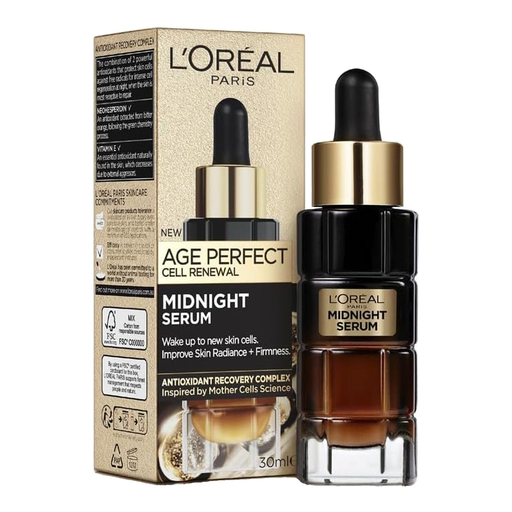
Why This Fits Their Persona: A straightforward face serum for shoppers who want hydration, radiance and a non-sticky finish in one morning-and-evening step.
Its listed ingredients include glycerin, sodium hyaluronate, squalane and adenosine, giving buyers identifiable formula details rather than relying only on broad anti-ageing language.
30ml size; lightweight, non-sticky texture; designed for face and neck application.
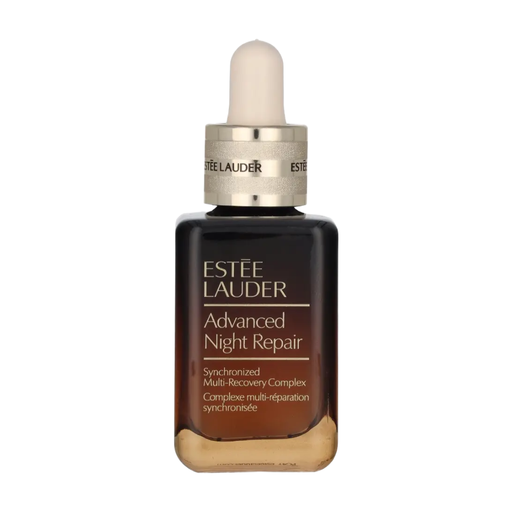
Why This Fits Their Persona: A premium-style option for shoppers seeking a multi-purpose serum for hydration, dullness and the appearance of fine lines.
The ingredient list identifies hyaluronic acid, squalane, glycerin, bifida ferment lysate and Tripeptide-32, allowing a more informed comparison than price alone.
Oil-free texture; intended for morning and evening use; suitable for face and neck.
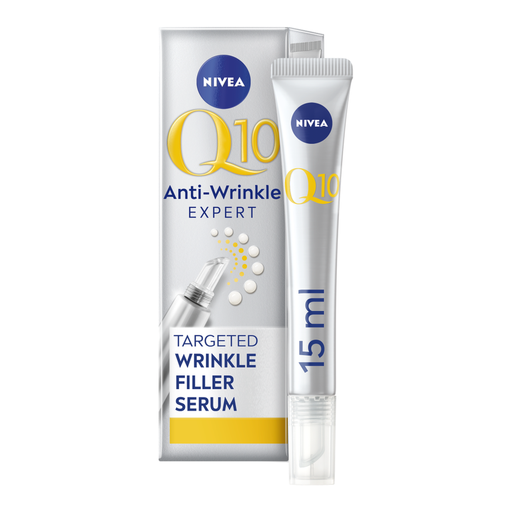
Why This Fits Their Persona: Suitable for someone focusing on particular areas such as forehead lines, eye contours, lip lines or nasolabial folds.
The 15ml format and targeted application guidance make it clearer that this is a concentrated area treatment, not necessarily a full-face moisturiser.
Contains coenzyme Q10, sodium hyaluronate and panthenol; small amount is applied directly to selected areas.
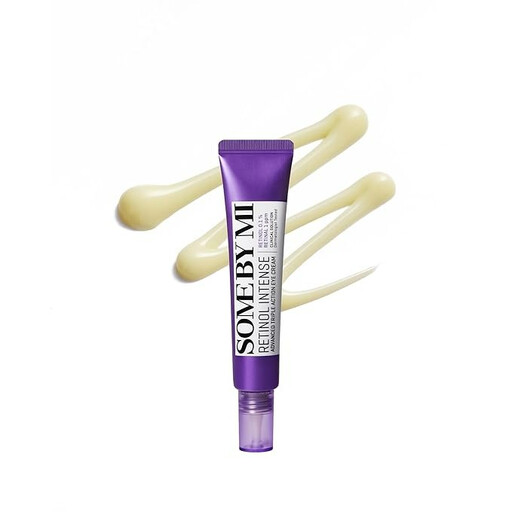
Why This Fits Their Persona: A night-time retinol eye cream for shoppers who want a dedicated eye-area formula and are prepared to introduce it gradually.
The directions specify gradual use for retinol beginners, patch testing and daytime sunscreen, helping users avoid treating a stronger active like an everyday basic moisturiser.
Lists retinol, retinal, niacinamide, panthenol and hyaluronic acid; intended for night use around wrinkle-prone areas.
We have compiled a complete, real-time list of products that fully satisfy these strict selection criteria and UK safety regulations.
Cleanse first, then apply a serum if required, followed by moisturiser. Use retinoid products at night and introduce them gradually. In the morning, apply sunscreen as the final skincare step. Avoid adding several new products simultaneously, so you can identify which formula suits your skin.
Most 30ml serums last around one to three months, depending on dosage and frequency. A 15ml eye treatment may last a similar period because only a small amount is used per application. Follow the label rather than applying extra product, as more does not necessarily mean faster visible results.
Some Korean anti-ageing skincare products use hydrating ingredients such as fermented extracts, niacinamide, adenosine and hyaluronic acid. However, “Korean” does not automatically mean gentle or suitable for everyone. Check the ingredient list, patch test new products and select a texture and active level that fit your existing routine.