
24/7 全天候客户支持

免费退货

当日/次日达

品质保障

开启新人专享福利: 全场免邮 | 低至 2 折 | 免费试用 30 天 JoyPlus 会员
下载 Joybuy
Fine lines, dryness, dullness, dark circles and loss of firmness can make choosing skincare feel unnecessarily complicated. Shelves are filled with anti-wrinkle serum, collagen cream, facial treatment essence and firming skincare, often with impressive-sounding claims that are difficult to compare.
The right choice depends less on buying the most expensive formula and more on matching ingredients, texture and usage instructions to your skin. This guide highlights common buying traps, explains the specifications worth checking and matches selected products to different shopping needs.
An under-eye concealer can make dark circles look less visible immediately, but it is still make-up rather than a treatment for the cause of discolouration. Similarly, a rich hydrating face cream may temporarily make fine lines look softer by reducing the appearance of dryness.
This does not make either product unsuitable. It simply means you should decide whether you want immediate visual correction, daily hydration or a targeted active such as retinol.
Collagen appears in creams, serums and beauty supplements, but these formats serve different purposes. A topical collagen cream mainly contributes to the product’s moisturising and conditioning feel. Collagen supplements are food products and must be used according to their label; they are not a replacement for a varied diet or professional medical advice.
Check the complete ingredient list, serving size and allergen information rather than relying on the word “collagen” on the front of the packaging.
Retinol eye cream and other retinoid products can be unsuitable if introduced too frequently, particularly around delicate eye skin. Fragrance, essential oils and alcohol may also be relevant considerations for people with sensitive or easily irritated skin.
Patch testing, gradual use and daytime sun protection are sensible precautions. Do not apply cosmetic products to broken, inflamed or irritated skin, and stop using a product if persistent redness, itching or swelling develops.
For hydration, look for ingredients such as glycerin, hyaluronic acid, sodium hyaluronate, squalane and ceramides. A hyaluronic acid serum may feel lightweight, while a moisturiser for dry skin usually combines humectants with oils, butters or barrier-supporting ingredients.
For tone and texture, niacinamide and gentle antioxidant ingredients are commonly used. Retinol and retinal require more careful introduction. Read the current packaging because formulas and ingredient lists may change.
A rich cream can be useful for dry or mature skin, especially in colder UK weather or centrally heated rooms, but may feel heavy on an oily T-zone. Lightweight essences and serums can suit combination skin, while a skin barrier cream may be more appropriate when tightness follows cleansing.
Consider when the product will be used:
A 30ml serum may last for several weeks or months depending on dosage, while a 230ml essence can be more practical for regular morning and evening use. Compare the stated quantity with how often you expect to apply it.
Also check fragrance allergens, essential oils, alcohol, retinoids and animal-derived ingredients. Shoppers considering Korean skincare products or natural formulations should still review the full INCI list rather than treating “natural”, “vegan” or “Korean” as a guarantee of suitability.
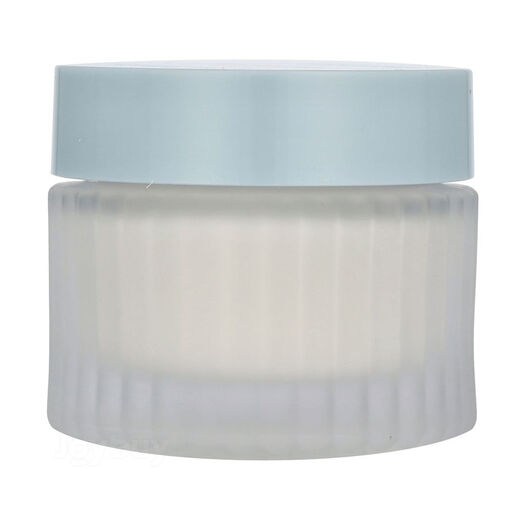
Why This Fits Their Persona: A practical starting point for shoppers who want one moisturising product for morning and evening use, particularly when dryness or a tight feeling is the main concern.
Its ingredient list clearly identifies ceramides, cholesterol, squalane and several forms of hyaluronic acid, so shoppers can assess the formula beyond anti-ageing wording.
Contains five listed ceramides and a rich cream texture. The product information also states that it is vegan and cruelty-free.
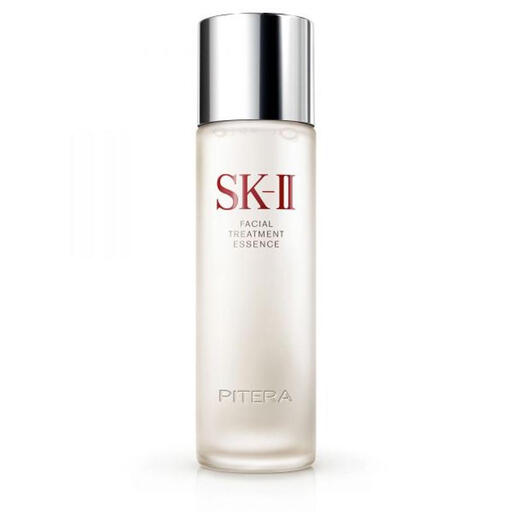
Why This Fits Their Persona: Suits shoppers who prefer a generous-size facial treatment essence with a watery texture for repeated use in a structured skincare routine.
The product description specifies its watery, non-sticky format and gives clear application guidance, helping buyers judge whether it fits their preferred routine.
The 230ml format is suitable for regular use, and the listed formula contains galactomyces ferment filtrate as its principal highlighted ingredient.
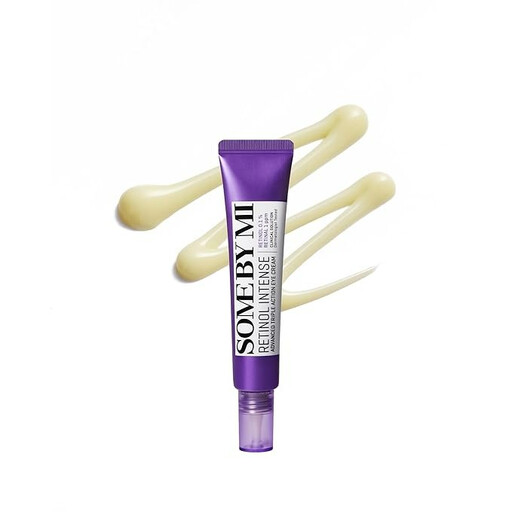
Why This Fits Their Persona: Designed for shoppers specifically targeting visible eye-area fine lines, dryness and uneven-looking tone rather than seeking a general face cream.
The formula lists retinol and retinal, while the directions recommend gradual use for new users and daytime sunscreen during continued use.
Includes niacinamide, panthenol, beta-glucan and hyaluronic acid alongside the retinoids. It is intended for night-time use.
We have compiled a complete, real-time list of products that fully satisfy these strict selection criteria and UK safety regulations.
Begin with a simple routine rather than buying several active products at once:
For collagen supplements, check whether the product contains fish, soya or bovine ingredients, follow the stated dose and read the label before use. Anyone who is pregnant, breastfeeding, managing a medical condition or taking prescribed medication should seek appropriate professional advice before starting a supplement.
Moisturisers and concealers can change how skin looks or feels quickly, especially when dryness is contributing to visible lines. Ingredients used for longer-term cosmetic care generally require consistent use, and results vary according to skin type, routine and the concern being addressed.
Usage depends on the amount applied and how often it is used. A 30ml serum may last longer when only a few drops are needed, while a cream applied to the face and neck may be used more quickly. Check the product size, recommended dosage and open-jar symbol on the packaging.
Hyaluronic acid and moisturiser are commonly used to support hydration, but retinol should be introduced gradually. Apply products in line with their directions, avoid using retinoids on irritated skin and use daytime sun protection.