
24/7 全天候客户支持

免费退货

当日/次日达

品质保障

开启新人专享福利: 全场免邮 | 低至 2 折 | 免费试用 30 天 JoyPlus 会员
下载 Joybuy
Fine lines, dryness, redness, uneven tone and loss of firmness can make choosing anti-ageing skincare products surprisingly difficult. Marketing often focuses on impressive-sounding ingredients, luxury packaging or rapid results, while the practical details—texture, skin compatibility, active concentration and routine fit—receive less attention.
This guide from the Joybuy Product Recommendation Officer explains what to check before buying, which product types suit different needs and how to avoid common skincare purchasing traps.
Retinol, retinal, exfoliating acids and fragranced botanical oils may suit some routines but can be unsuitable for sensitive or compromised skin. A product marketed for fine lines may still cause dryness or discomfort if introduced too frequently.
For retinol skincare, check the usage instructions carefully. Start gradually, avoid combining it immediately with strong exfoliants and use daytime sun protection. Products containing retinol should not be used during pregnancy or breastfeeding unless a qualified healthcare professional advises otherwise.
Premium packaging and a long ingredient list do not automatically make a product suitable for your skin. A luxury facial serum may feel elegant, while a more affordable ceramide cream may be more useful for daily barrier support.
Also look beyond phrases such as “deep hydration” or “firming”. Check whether the formula contains practical moisturising ingredients, whether the texture suits your skin and whether you are likely to use it consistently.
Skincare gift sets can offer several products at once, but unused capsules, unsuitable fragrance or an active ingredient you cannot tolerate can reduce their value. Before buying, check the number of products, sizes, instructions and whether the set includes a cleanser, serum, moisturiser or SPF.
Match the ingredient to your primary concern:
No ingredient guarantees identical results for every person. Read the full ingredient list and consider known sensitivities.
A lightweight facial serum or ampoule usually sits before moisturiser, while an oil serum may be better as the final treatment step or mixed into a cream. If your skin is oily or combination, look for fluid or gel textures. If your skin is dry, a richer dry skin moisturiser or cream containing emollients may feel more comfortable.
Layering too many products can also increase pilling or irritation. A simple routine is often easier to maintain:
Air, light and heat can affect some formulas, particularly retinol products. Follow the storage directions on the packaging, close bottles and jars securely, and check the batch and shelf-life information supplied with the product.
For single-dose capsules, consider whether the format suits your lifestyle. Sealed capsules can be convenient for travel and help provide a consistent portion, but they may create more packaging than a standard pump bottle.
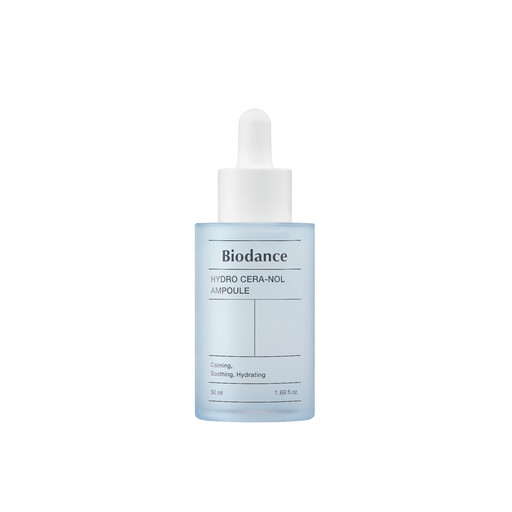
Why This Fits Their Persona: A straightforward option for shoppers beginning a barrier-focused routine and looking for one daily hydrating step rather than a multi-product system.
It focuses on hydration and barrier-supporting ingredients instead of relying on a retinol-led routine that may be too demanding for beginners.
Includes panthenol, glycerin, ceramides and hyaluronic acid; the milky texture is designed to absorb without a sticky finish.
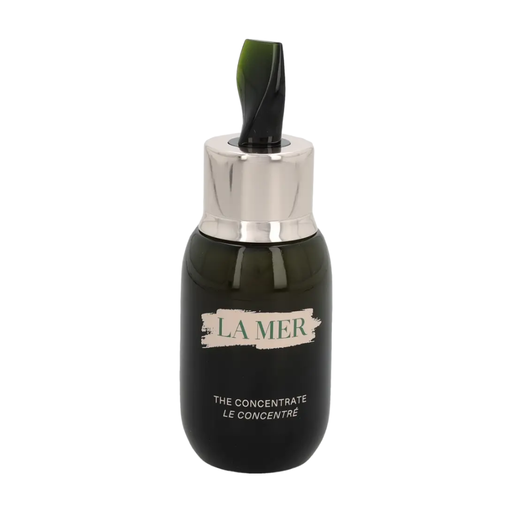
Why This Fits Their Persona: Suits shoppers seeking a concentrated, fast-absorbing treatment with a refined texture for a more considered skincare ritual.
Its product information clearly identifies the concentrated treatment format and application method, helping buyers assess whether it fits their existing moisturiser routine.
Contains glycerin, algae extract and conditioning silicones; the listed texture is lightweight and designed for quick absorption.
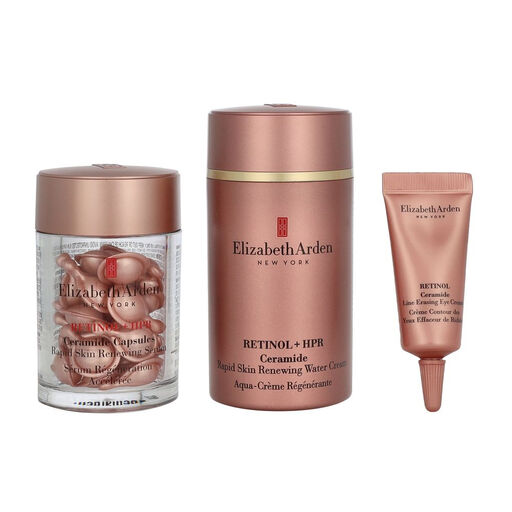
Why This Fits Their Persona: Designed for shoppers wanting a structured evening routine with a serum, water cream and eye treatment in one set.
The set gives clear evening-use guidance and recommends starting retinol two or three times weekly, reducing the risk of introducing several active products too quickly.
Combines retinol, HPR, peptides and ceramides; the capsules are described as biodegradable and travel-friendly.
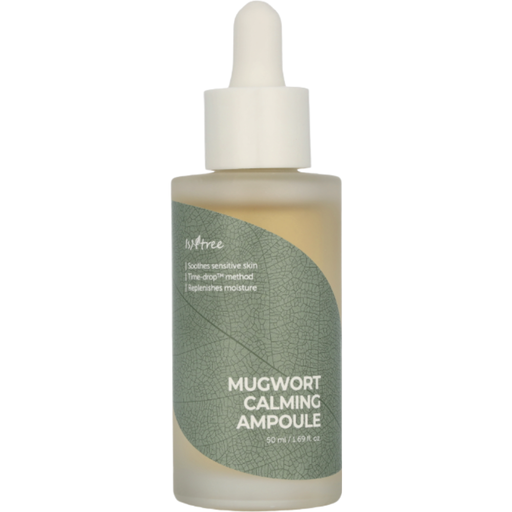
Why This Fits Their Persona: A watery ampoule for shoppers prioritising a simple, fragrance-free-feeling routine focused on comfort and moisture support.
It avoids fragrance, parabens, silicone and drying alcohol according to the supplied product description, making the formula easier to assess for sensitive-skin shoppers.
Includes mugwort extract, panthenol, beta-glucan and Ceramide NP; the lightweight texture is intended to absorb quickly.
We have compiled a complete, real-time list of products that fully satisfy these strict selection criteria and UK safety regulations.
For most UK shoppers, consistency matters more than owning numerous products. Begin with hydration and barrier support if your skin feels tight, flaky or reactive. Once your routine feels comfortable, consider adding a targeted anti-wrinkle serum or retinol product on alternate evenings.
Use SPF in the morning, particularly when using retinol or other products that may increase sensitivity to sunlight. Patch test new formulas, avoid broken or irritated skin and stop using a product if persistent redness, swelling, itching or discomfort occurs.
Hydration can improve the feel and temporary appearance of dryness relatively quickly, but concerns such as fine lines, uneven tone and firmness usually require consistent use over time. Results vary according to the formula, frequency of use, sun exposure and individual skin characteristics.
They can generally be used in the same routine, with hyaluronic acid serum applied before moisturiser to support hydration. Introduce retinol separately and gradually so that any dryness or sensitivity can be identified more easily.
They can be, but inspect every product in the set rather than judging it by one headline ingredient. Check for fragrance, retinol, essential oils and known allergens, then patch test before applying products across the face.