
24/7 全天候客户支持

免费退货

当日/次日达

品质保障

开启新人专享福利: 全场免邮 | 低至 2 折 | 免费试用 30 天 JoyPlus 会员
下载 Joybuy
Dryness, dullness, fine lines and less defined facial contours can make shopping for anti-ageing skincare feel unnecessarily complicated. Product pages often use terms such as “lifting”, “regenerating” and “collagen-boosting” without explaining what the formula actually contains or how it fits into a realistic routine.
Before buying, watch for three common pitfalls:
Confusing a temporary finish with a long-term result
A face mask may make skin look smoother or more radiant immediately because it supplies moisture or leaves a light-reflecting finish. That does not necessarily mean it has changed firmness or facial contours.
Choosing ingredients without checking the complete formula
Peptides, vitamin C, algae and hyaluronic acid can be useful considerations, but fragrance, alcohol or a high number of botanical extracts may not suit reactive or easily irritated skin. The full ingredient list matters more than a single headline ingredient.
Ignoring quantity and frequency
A four- or five-treatment pack is not the same as a daily product. Work out whether you want an occasional anti-ageing face mask for event preparation or a face-and-neck cream for consistent use. This helps prevent paying for a product that does not match your routine.
A sheet or bio-cellulose mask is designed for a short application, commonly around 15 to 20 minutes. It can be convenient when skin feels dehydrated, tired-looking or in need of a temporary radiance boost. A hydrating face mask is particularly practical before an evening event or as part of a weekend pamper routine.
A cream is more suitable for regular application. If your concerns include dryness around the jawline and neck, look for a product specifically labelled as a face and neck cream rather than using a facial moisturiser only on the cheeks and forehead. A lifting face and neck cream may also offer a more convenient way to include the neck in everyday skincare.
Marketing terms such as “collagen-boosting skincare” should therefore be treated as a prompt to inspect the formula, not as a standalone performance promise.
A good fit should sit comfortably on the face without excessive slipping or drying during use. Bio-cellulose masks tend to conform closely to the skin, while standard sheet masks may feel lighter or less close-fitting.
Always check:
For any new formula, apply a small amount to an inconspicuous area first, particularly if you have reactive skin. Do not apply skincare to broken or inflamed skin, and stop using it if persistent irritation develops.
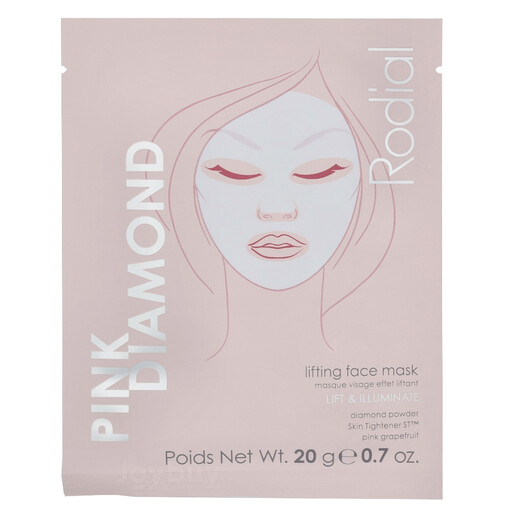
Why This Fits Their Persona: A four-mask pack offers a straightforward way to try a lifting face mask without committing to a larger multi-step routine. It suits occasional use before a social event or as a scheduled pamper evening.
Its 15 to 20-minute application time and stated four-treatment quantity make the usage commitment clear. The ingredient list can be checked for alcohol, fragrance and fruit extracts before purchase.
Bio-cellulose construction, sodium hyaluronate, panthenol, grapefruit extract and plant-derived peptides are included in the formula. Diamond powder is also listed for a light-reflecting finish.
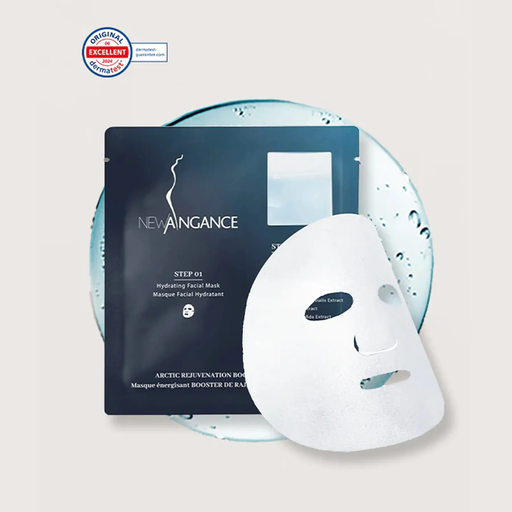
Why This Fits Their Persona: This option is suited to shoppers who enjoy a more structured, premium-feeling treatment and want to include the neck as well as the face during an at-home routine.
The two-step design clearly separates the 15 to 20-minute sheet mask from the follow-up ampoule, reducing uncertainty about how the treatment should be used.
The formula lists Icelandic algae extracts, Brittany seaweed extracts, copper tripeptide-1, palmitoyl pentapeptide-4, glycerin and two forms of hyaluronic acid. Five 25 ml treatments are included.
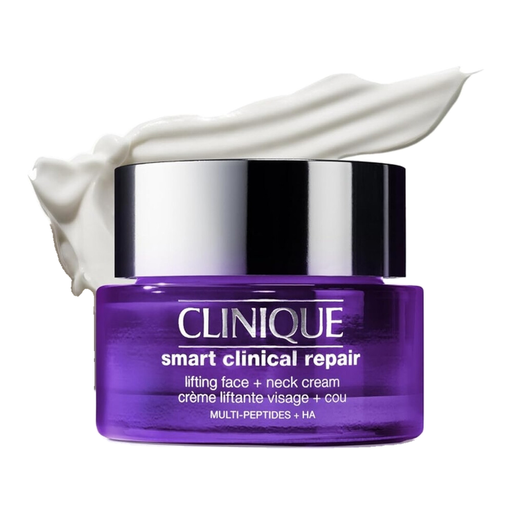
Why This Fits Their Persona: Designed for shoppers wanting one daily product for the face, jawline and neck, with a richer texture for dry or mature skin and a routine that can be used morning and evening.
It states a 50 ml volume, fragrance-free positioning and non-comedogenic formulation. The directions explicitly include upward application across the face, jawline and neck.
The ingredient list includes shea butter, mango seed butter, jojoba seed oil, glycerin, sodium hyaluronate, caffeine and several named peptides, including acetyl hexapeptide-8.
For most shoppers, consistency is more useful than collecting several overlapping products. Start with a gentle cleanse, then apply a face-and-neck cream as directed. Use a mask occasionally when you want extra hydration or a smoother-feeling make-up base.
Do not layer every active product at once. If you already use exfoliating acids, retinoids or strong vitamin C products, introduce a new mask or cream separately so you can identify the source of any irritation. Keep products sealed, store them according to the packaging instructions and avoid using a mask beyond its intended single application.
We have compiled a complete, real-time list of products that fully satisfy these strict selection criteria and UK safety regulations.
Follow the product packaging first. The masks featured here are intended for short applications of around 15 to 20 minutes. Occasional use may suit event preparation, while frequent use depends on your skin’s tolerance and the manufacturer’s directions.
Usually, they serve different purposes. A mask is a short treatment, whereas a face cream is designed for repeated use and helps maintain a moisturised skin feel. If dryness extends to the neck, choose a product labelled for both the face and neck.
The exact period varies by product and packaging. Check the open-jar symbol, batch details and storage guidance printed on the pack. Single-use masks should be used immediately after opening, while creams should remain tightly closed and kept in a cool, dry place.