
24/7 Customer Support

Free returns

Same-day & Next-day Delivery

Quality Guaranteed

Unlock Your Welcome Offers: FREE Delivery | Up to 80% OFF | Free 30-day JoyPlus trial
Download the APP
Waking up with a stuffy nose, itchy eyes or constant sneezing is a frustrating way to start the day. For many in the UK, these symptoms are an unwelcome side effect of allergies, often triggered by dust mites and other allergens that accumulate in our bedding. A good night's sleep shouldn't be a struggle. Choosing the right anti-allergy double duvet can significantly improve your sleep quality by creating a cleaner, healthier environment.
This guide is designed to help you navigate the options. We will walk through the key features to look for, from tog ratings to filling materials, and present a few carefully selected recommendations to help you find a comfortable and practical solution for your home.
Making an informed choice is simple when you know what to look for. Here are a few practical points to consider before you buy.
The 'tog' rating measures a duvet's thermal insulation. A higher number means more warmth. In the UK's varied climate, a 10.5 tog double duvet is often considered the ideal all season double duvet. It provides sufficient warmth for chilly autumn and spring nights without causing overheating during milder weather. For those who naturally sleep warm or have well-insulated homes, a lighter option like a 7.5 tog might be more comfortable, especially during the summer months.
The filling is the most critical component of a hypoallergenic duvet. Natural fillings like feather and down can sometimes harbour dust mites, making synthetic alternatives a more suitable choice for allergy-prone individuals.
Both materials are inherently inhospitable to dust mites and are excellent choices for a double duvet for allergy sufferers.
To keep allergens at bay, regular cleaning is essential. A machine washable duvet makes this task far more manageable. Being able to wash your duvet at home helps to remove dust mites, skin cells and other potential irritants, ensuring your bed remains a fresh and hygienic space. Always check the care label for specific washing instructions, as temperature and drying recommendations can vary.
Here are our recommendations, selected to meet the needs of those seeking comfort, practicality and a healthier night's sleep.
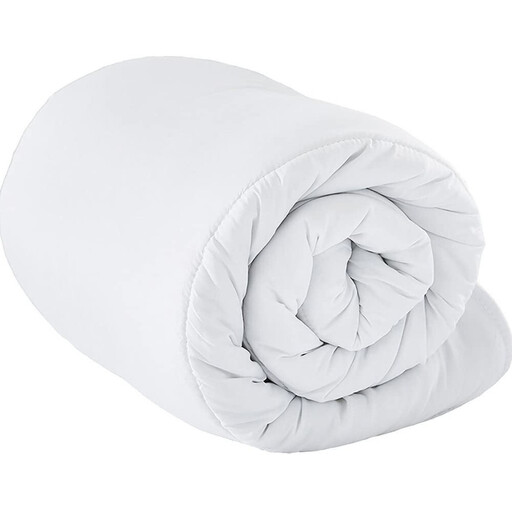
Why It Stands Out: This duvet focuses on delivering the essentials without complication. It combines a versatile 10.5 tog rating with a proven anti-allergy filling, making it a straightforward and effective choice for year-round use. Its design prioritises function and value.
Pros:
Who is it for? This duvet is an excellent fit for anyone seeking a no-fuss, reliable and affordable anti-allergy double duvet that performs its core function exceptionally well.
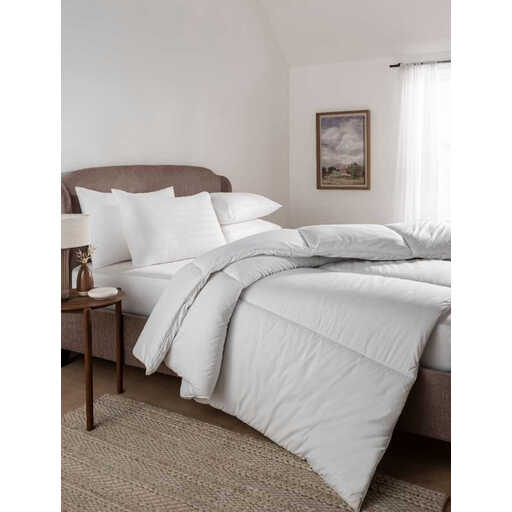
Why It Stands Out: This NightComfort duvet offers a more premium feel. The combination of a soft-touch microfibre cover and a high-quality hollowfibre filling mimics the luxurious sensation of natural down, but with the full benefits of a hypoallergenic and anti-mite construction.
Pros:
Who is it for? Ideal for sleepers who love the plush, enveloping feel of a down duvet but need a synthetic, hypoallergenic duvet to ensure a peaceful, allergy-free night.
Why It Stands Out: Offering the same soft-like-down microfibre cover and anti-allergy properties as its 10.5 tog counterpart, this duvet provides a lighter level of warmth. The 7.5 tog rating makes it a superb choice for the warmer months or for individuals who tend to overheat while sleeping.
Pros:
Who is it for? This is the perfect duvet for those who find a 10.5 tog too warm, live in a modern, well-insulated property or are specifically looking for a high-quality summer duvet that doesn't compromise on comfort.
While these three duvets are excellent starting points, we understand that everyone's sleep preferences are unique. You may be looking for a different size, tog rating or material.
If you're still exploring, we invite you to browse our full collection of comfortable bedding to find the perfect fit for your home.
The terms are often used interchangeably to describe products suitable for allergy sufferers. Generally, 'hypoallergenic' means the materials used are less likely to cause an allergic reaction. 'Anti-allergy' can also imply that the product has been treated to actively inhibit the growth of dust mites or has a construction that acts as a barrier against them. For practical purposes, both are good indicators of a suitable duvet.
To maintain a fresh and allergen-free bed, it is a good practice to wash your duvet every two to three months. For allergy sufferers, more frequent washing may be beneficial. Always follow the instructions on the care label, but washing at 60°C (if the label permits) is effective at removing dust mites.
For most people in the UK, a 10.5 tog double duvet is an excellent all season double duvet. It provides enough warmth for cooler nights in autumn and winter while still being light enough for many during the summer. However, this can depend on your personal body temperature and the insulation of your home. Some people prefer to use two separate duvets: a lighter one (4.5-7.5 tog) for summer and a warmer one (13.5+ tog) for winter.