
24/7 全天候客户支持

免费退货

当日/次日达

品质保障

开启新人专享福利: 全场免邮 | 低至 2 折 | 免费试用 30 天 JoyPlus 会员
下载 Joybuy
A restful night's sleep can feel out of reach when you're dealing with allergies. Waking up with a stuffy nose, itchy eyes or irritated skin is a frustrating reality for many in the UK. An anti-allergy duvet seems like a straightforward solution, but the market is filled with confusing claims and features that don't always deliver.
As a Joybuy Product Recommendation Officer, my role is to help you navigate these choices. We'll look past the marketing hype and focus on the practical features that make a genuine difference. Before you spend your money, let's uncover the common pitfalls that lead to a poor purchase.
duvet for allergy sufferers will have fibres that are specifically treated to inhibit the growth of bacteria and dust mites, creating a more hygienic sleep environment.machine washable duvet, but the real test is whether it can withstand regular washing without the filling clumping, shifting or losing its shape. A duvet that becomes lumpy and uncomfortable after two washes is a wasted investment. Durability and construction are just as important as the initial anti-allergy properties.all season duvet, which offers flexibility for the UK's unpredictable climate.To make a smart choice, focus on these three core parameters. They are the non-negotiable factors that separate a genuinely effective anti allergy duvet from one that merely looks the part.
The filling is the heart of your duvet. While natural fillings like feather and down can be luxurious, synthetic options are often the more practical choice for allergy management.
hollowfibre duvet is naturally inhospitable to dust mites. For enhanced protection, look for products where the fibres have been treated with a specific anti-allergy or anti-bacterial finish. This is an active feature, not just a passive material benefit.The tog rating measures a duvet's thermal insulation. Understanding it is key to year-round comfort.
10.5 tog duvet provides a good balance of warmth for most of the year in a centrally heated home.Look for independent verification and features that make life easier.
breathable quilt cover, often made from microfibre or cotton, helps regulate temperature. Look for quality stitching, such as channel or baffle-box construction, which keeps the filling evenly distributed, even after washing.We've matched some duvets to common user needs, focusing on how they solve the buying traps mentioned earlier.
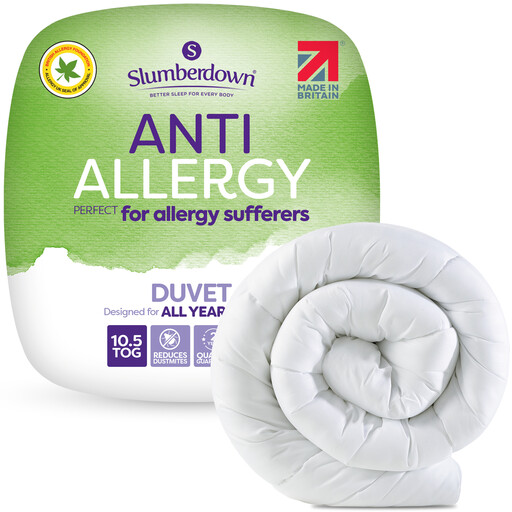
Why This Fits Their Persona: This duvet is a workhorse for a busy family. The 10.5 tog rating is a solid year-round choice for a typical UK home, and it's available in all standard sizes from single duvet to super king. It prioritises health and practicality over unnecessary frills.
It goes beyond a simple "hypoallergenic" claim. The fibres are actively treated to reduce bacteria and it carries Allergy UK's Seal of Approval. It's also designed to be machine washed and tumble dried, avoiding the "unwashable" duvet problem.
The Allergy UK approval provides trusted, third-party validation. The SmartStitch seams add durability for frequent washing.
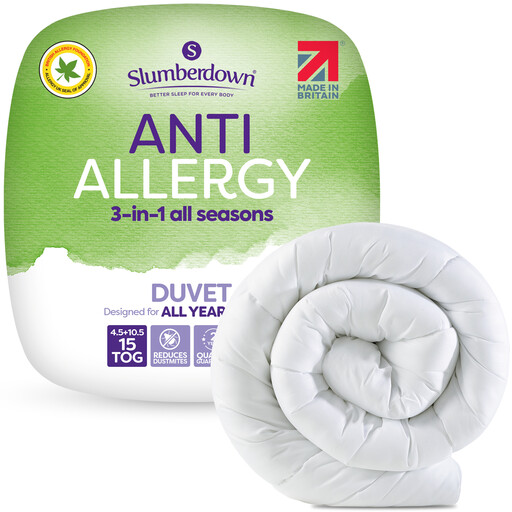
Why This Fits Their Persona: This is for the person who wants a single, smart purchase to cover every season. It's perfect for those who feel the cold in winter but need a very light breathable quilt for warm summer nights, offering complete temperature control.
This product is the definitive solution to the "wrong tog" trap. By providing a 4.5 tog, a 9 tog and a combined 13.5 tog option, it eliminates the risk of being too hot or too cold, ensuring comfort all year.
Unmatched versatility with three warmth levels in one. It also features the same Allergy UK approval and anti-allergy treated fibres as other Slumberdown products.
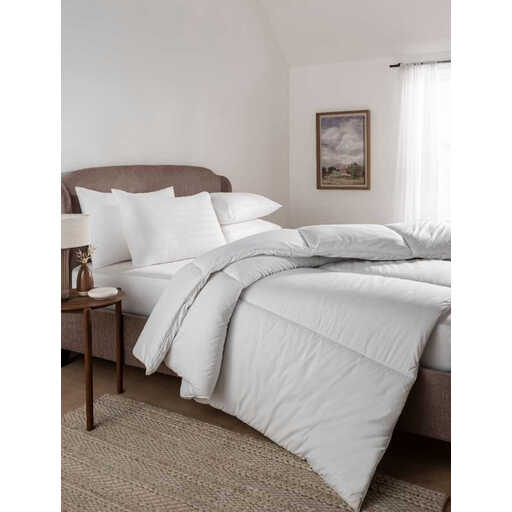
Why This Fits Their Persona: For those who want the plush, lofty feel of a down duvet without the associated allergy risks. The "Soft Like Down" hollowfibre filling and luxurious microfibre cover cater to sleepers who prioritise sensory comfort and skin-friendliness.
This duvet tackles the "hypoallergenic myth" by offering a superior synthetic experience. It doesn't just avoid allergens; it provides a premium alternative feel, so you don't feel like you're making a compromise. The filling is also treated for anti-mite protection.
Delivers a down-like softness and loft without natural allergens. The soft-touch microfibre cover is exceptionally smooth and breathable.
We have compiled a complete, real-time list of products that fully satisfy these strict selection criteria and UK safety regulations.
While often used interchangeably, there can be a subtle distinction. Hypoallergenic typically means the core materials are less likely to cause an allergic reaction (e.g., synthetic polyester vs. natural wool or feathers). Anti-allergy often implies a more active function, such as fibres that have been specially treated to inhibit the growth of dust mites and bacteria or a cover woven so tightly that allergens cannot pass through. For greater assurance, look for duvets that specify an active anti-allergy treatment or have a certification like the Allergy UK Seal of Approval.
For allergy management, a good guideline is to wash your duvet every two to three months. It's essential to follow the care label instructions. While a 60°C wash is often recommended for killing dust mites, many modern duvets are designed for an effective 40°C wash, which is still very effective at washing away allergens, especially when used with an anti-allergy laundry detergent. Always ensure the duvet is completely dry before use to prevent mould or mildew.
Yes, it is possible. While people with feather allergies should avoid them, most "feather allergies" are actually reactions to dust mites living within the filling. High-quality, modern feather and down duvets that have been properly cleaned and sterilised and are encased in a very dense, dust-mite-proof fabric cover (look for a Nomite label), can be suitable for many people with dust mite allergies. They are a premium option that combines natural materials with allergy-aware design.