
24/7 全天候客户支持

免费退货

当日/次日达

品质保障

开启新人专享福利: 全场免邮 | 低至 2 折 | 免费试用 30 天 JoyPlus 会员
下载 Joybuy
A restful night's sleep can feel out of reach when allergies are a constant concern. For many in the UK, the wrong duvet can mean waking up to sniffles, sneezes and irritation. Choosing an anti-allergy duvet seems like a simple solution, but the market is filled with confusing terms and features that don't always deliver on their promises. This guide will help you navigate the common pitfalls and identify the key features that genuinely contribute to a cleaner, more comfortable sleep.
Before you invest in new bedding, it's important to be aware of a few common traps that can lead to a poor purchase:
To make an informed decision, focus on these three core parameters. They are the true indicators of a duvet's performance and suitability for your needs.
The filling is the heart of your duvet, dictating its warmth, weight and allergy-friendliness.
The "tog" rating measures a duvet's thermal insulance or how well it traps heat. Choosing the right tog is essential for year-round comfort.
Independent certifications provide an objective measure of a product's quality and safety claims.
To help you find the right fit, we've matched some duvets to common UK household needs, focusing on how they address the buying traps mentioned earlier.
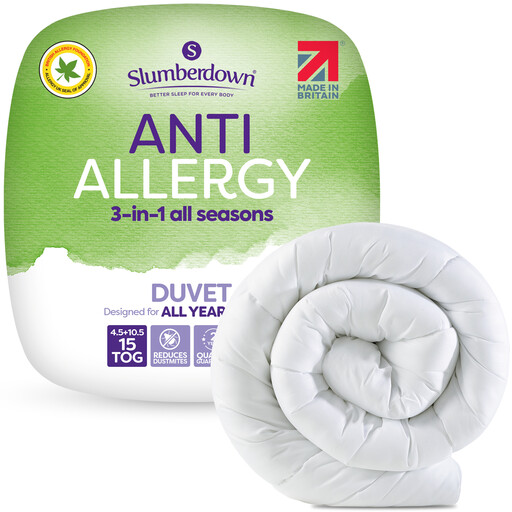
Why This Fits Their Persona: This user wants a single, versatile bedding solution that adapts to the UK's unpredictable weather. This 3-in-1 duvet provides a lightweight 4.5 tog for summer, a 9 tog for autumn/spring and combines to a 13.5 tog for winter, eliminating the need for multiple duvets.
It directly solves the "one-size-fits-all tog" problem by offering three warmth levels in one package. The anti-allergy fibres and Allergy UK approval also move beyond simple "hypoallergenic" marketing claims.
Features specially treated anti-allergy fibres. Approved by Allergy UK. Fully machine washable and tumble dryer friendly for easy care.
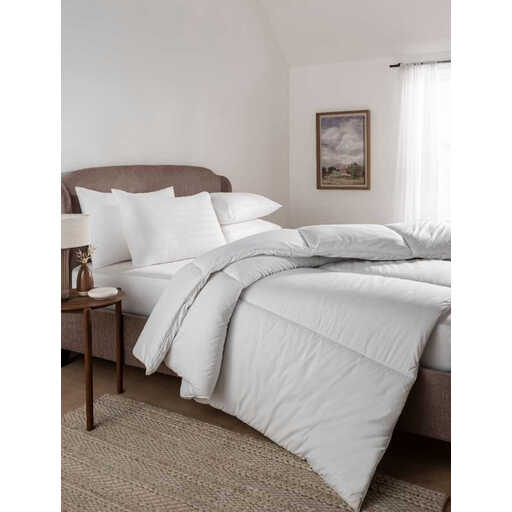
Why This Fits Their Persona: This buyer prioritises a healthy sleep environment and fuss-free maintenance. A synthetic-fill duvet is their ideal choice. This model uses a premium hollowfibre that mimics the feel of down without the associated allergens, making it perfect for sensitive sleepers.
It avoids the washability trap by being fully machine washable and tumble-dryer safe. The filling is explicitly described as a hypoallergenic hollowfibre treated for anti-mite protection, providing substance to its anti-allergy claims.
Features a soft-touch microfibre cover for comfort and a down-alternative hollowfibre filling. The 10.5 tog rating offers balanced, year-round warmth.
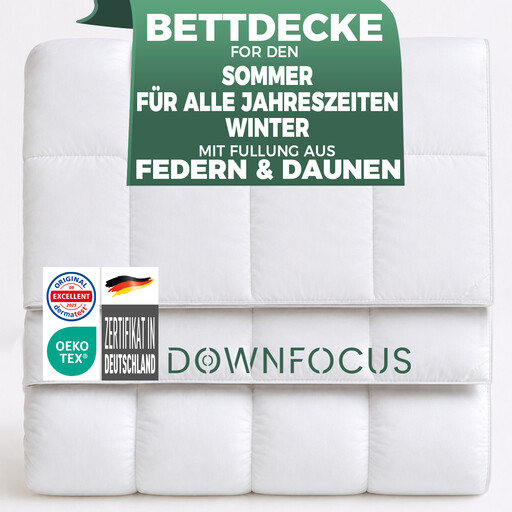
Why This Fits Their Persona: This person loves the premium, breathable feel of a feather and down duvet but needs assurance against allergens. This product offers that natural luxury with features designed for sensitive sleepers, including a 2-in-1 seasonal design.
It counters the "natural fillings cause allergies" assumption by using an extremely tightly woven cotton cover, which acts as a natural barrier against dust mites. It also holds Oeko-Tex and RDS certifications, adding layers of quality assurance.
Combines a 90% feather and 10% down filling for a luxurious feel. The 2-in-1 design offers a lightweight summer duvet and a warmer all-season option.
We have compiled a complete, real-time list of products that fully satisfy these strict selection criteria and UK safety regulations.
For optimal hygiene and allergen control, it is advisable to wash your duvet every two to three months. However, if your allergies are severe, you might consider washing it more frequently, perhaps every month. Always follow the specific care instructions on the product label, as washing temperatures and drying methods can vary.
Yes, it can. While the natural fillings themselves can sometimes be a concern, modern high-quality feather and down duvets are often designed with allergy sufferers in mind. The key is a high-quality, tightly woven outer cover (often called "down-proof") that is impenetrable to dust mites. Look for products that explicitly mention this feature, alongside certifications like Nomite or Oeko-Tex.
While often used interchangeably, there can be a subtle difference. Hypoallergenic generally means that the materials used are less likely to cause an allergic reaction. Anti-allergy, on the other hand, often implies that the product has been specifically treated to actively combat allergens, such as having an anti-dust mite treatment or being approved by an organisation like Allergy UK. For peace of mind, look for products with specific treatments or third-party certifications rather than just the generic term.