
24/7 全天候客户支持

免费退货

当日/次日达

品质保障

开启新人专享福利: 全场免邮 | 低至 2 折 | 免费试用 30 天 JoyPlus 会员
下载 Joybuy
A restful night's sleep can feel out of reach when allergies are a constant concern. For many in the UK, the search for an anti allergy duvet is about more than just comfort; it's about creating a healthier sleep environment. However, the market is filled with confusing terms and features that can make choosing the right hypoallergenic bedding a challenge. This guide cuts through the clutter, helping you identify the key features that matter and avoid common purchasing mistakes.
As the Joybuy Product Recommendation Officer, my role is to help you understand what to look for, ensuring you find a duvet that genuinely meets your needs without falling for marketing hype.
Before you buy, be aware of a few common traps that can lead to a poor purchase. Understanding these will help you make a more informed decision.
To ensure your new duvet provides the relief you need, focus on these three non-negotiable parameters.
The tog rating measures a duvet's thermal insulation. Choosing the right one is crucial for comfort in the UK's variable climate.
The filling is the heart of your duvet. The two main categories are synthetic and natural, each with distinct characteristics.
A duvet's longevity and anti-allergy performance are also tied to its construction. Look for features like box-stitching or baffle-box construction, which keep the filling evenly distributed and prevent cold spots. Most importantly, confirm the duvet is a machine washable quilt that can be washed at 60°C and, ideally, tumble-dried for convenience and to ensure it is thoroughly dried, preventing mould growth.
To simplify your search, we've matched some well-regarded options to different user needs.
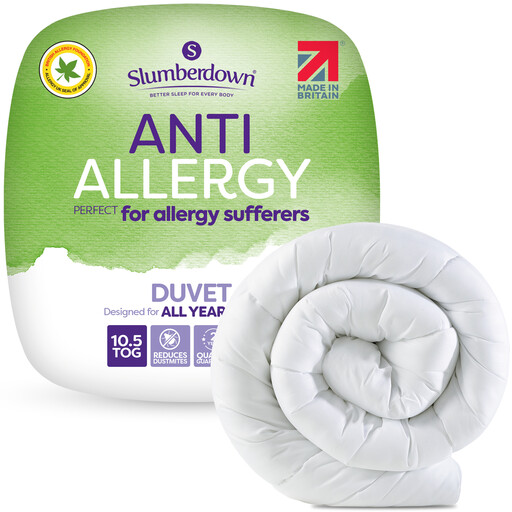
Why This Fits Their Persona: This user needs a reliable, single-duvet solution for most of the year. The 10.5 tog duvet rating is the UK standard for all-season use, providing balanced warmth without being overly heavy.
It goes beyond a simple "hypoallergenic" label. The filling is specifically treated to reduce bacteria build-up. It is also fully machine washable and tumble-dryer friendly, addressing the critical need for easy and effective cleaning.
Features an anti-allergy filling approved by Allergy UK. The microfibre cover and SmartStitch seams add to its soft feel and durability.
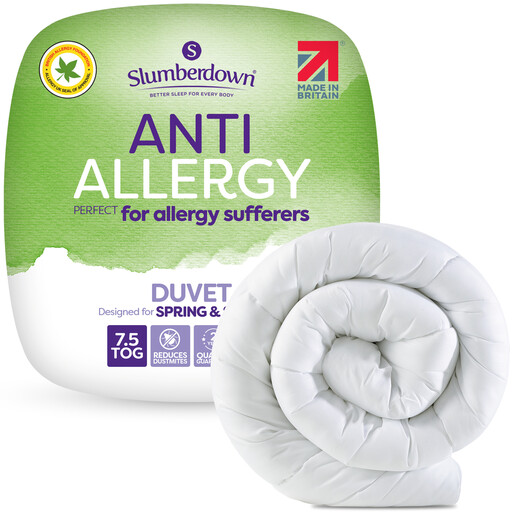
Why This Fits Their Persona: Perfect for those who find their allergies peak in spring and summer, or who simply sleep hot. The lighter 7.5 tog duvet provides gentle warmth without causing overheating on milder nights.
This duvet offers the same anti-allergy treated filling and washability as its 10.5 tog counterpart, ensuring that you don't have to compromise on hygiene just because you need a lighter duvet for summer.
Provides lightweight, breathable comfort for warmer seasons while maintaining its anti-allergy properties. It's a practical addition to your bedding rotation.
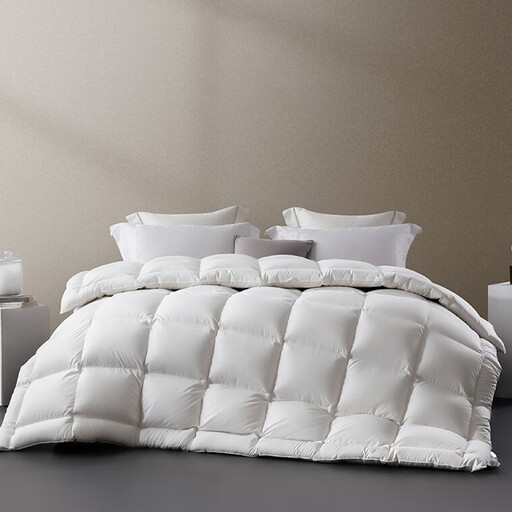
Why This Fits Their Persona: This user prefers the traditional, breathable feel of natural fillings but is cautious about allergies. This duvet offers the luxurious comfort of duck feather and down.
It challenges the misconception that all natural duvets are bad for allergies. A quality construction with a tightly woven outer fabric is key to containing the filling, which helps minimise exposure to potential allergens within the down itself.
Provides excellent natural insulation and breathability, which helps regulate body temperature. It offers a cosy, traditional duvet feel that many people prefer.
We have compiled a complete, real-time list of products that fully satisfy these strict selection criteria and UK safety regulations.
For optimal hygiene and to keep dust mite populations under control, it is generally recommended to wash your duvet every two to three months. However, during peak allergy seasons, you might consider washing it more frequently, perhaps every month. Always follow the specific care instructions on the product label.
Yes, it can be. The term "hypoallergenic" applies to materials that are less likely to cause an allergic reaction. For feather duvets, this is achieved through two main factors: first, the feathers and down are thoroughly cleaned and sterilised to remove dust and other organic matter. Second, the duvet is encased in a high-thread-count, down-proof fabric that acts as a barrier, preventing the filling from escaping and dust mites from getting in.
While often used interchangeably, there can be a subtle difference. Hypoallergenic typically refers to the base materials being less likely to cause an allergic reaction (e.g., synthetic fibres vs. untreated wool). Anti-allergy, on the other hand, often implies an active feature, such as a chemical treatment on the fibres that inhibits the growth of dust mites and bacteria. The Slumberdown products mentioned, for example, have this active anti-allergy treatment.