
24/7 Customer Support

Free returns

Same-day & Next-day Delivery

Quality Guaranteed

Unlock Your Welcome Offers: FREE Delivery | Up to 80% OFF | Free 30-day JoyPlus trial
Download the APP
Waking up with a stuffy nose, itchy eyes or constant sneezing is a frustrating way to start the day. For many in the UK, the culprit is right under their head: a pillow that harbours dust mites and other common allergens. While the market is flooded with pillows labelled "anti-allergy," finding one that genuinely delivers a fresher, cleaner sleep can be a challenge. Many end up with products that either fail to provide relief or lose their shape and comfort after just a few washes.
As a Joybuy Product Recommendation Officer, my role is to help you navigate these choices. Before you invest in a new set of pillows, it’s crucial to understand the common pitfalls that lead to disappointment and wasted money.
To make a smart purchase, focus on a few core parameters rather than just the marketing claims. These are the non-negotiable features that separate a genuinely useful pillow from a poorly designed one.
The filling is critical for creating an environment that is inhospitable to allergens. Most effective hypoallergenic pillows in the UK use synthetic fillings.
A pillow's firmness should match your primary sleeping position to ensure proper spinal alignment.
A key part of managing allergies is keeping your bedding clean. Therefore, you should only consider machine washable pillows. Look for products that can be washed at 40°C, as this temperature is effective at killing dust mites and removing allergens. A pillow that is also tumble-dryer safe adds a layer of convenience and ensures it dries thoroughly, preventing any dampness that could encourage mould.
Instead of a generic list, we've matched our recommendations to specific household needs. This helps ensure the pillows you choose are a perfect fit for your lifestyle.
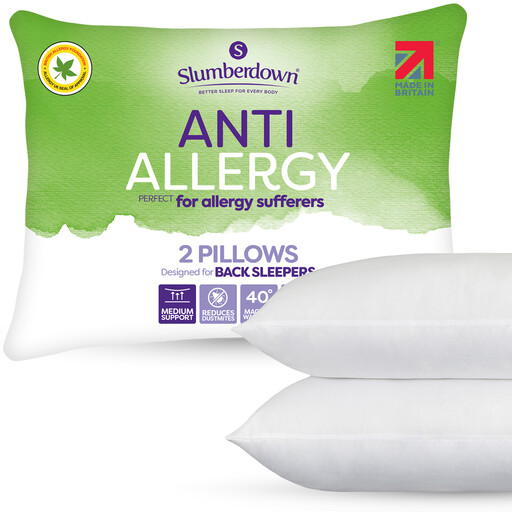
Why This Fits Their Persona: For families prioritising a genuinely hygienic sleep environment, this 2-pack offers peace of mind. The brand states its anti-allergy fibres have been tested and approved by Allergy UK, providing an extra layer of confidence for those with sensitive children or severe allergies.
It directly counters the "vague marketing" trap. The mention of approval from Allergy UK indicates that the materials and construction have been assessed by an independent body for their suitability for allergy sufferers.
Features specially treated anti-allergy filling. The medium support level is versatile for different sleepers in the family. It is also machine washable and tumble dryer friendly.
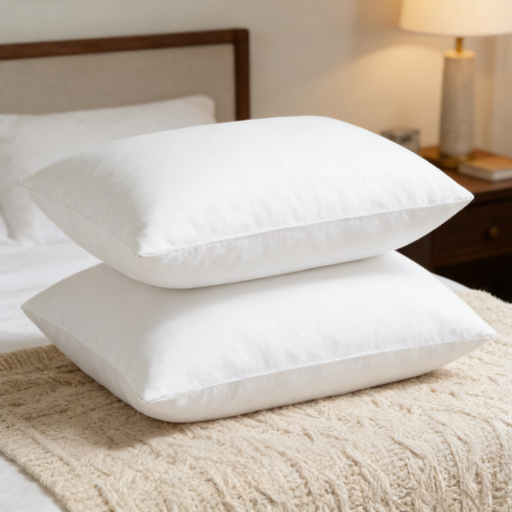
Why This Fits Their Persona: This user values durability and low-maintenance products that stand the test of time. This 2-pack is designed to retain its shape and loft, even with regular washing, making it a reliable and cost-effective choice for a busy household.
It directly addresses the "washability failure" pitfall. The "Superbounce" feature is specifically designed to prevent the pillow from going flat or lumpy after washing, ensuring long-lasting comfort and support.
Features a resilient 100% hollowfibre filling that keeps its shape. It is fully machine washable for easy care and offers a good balance of softness and support.
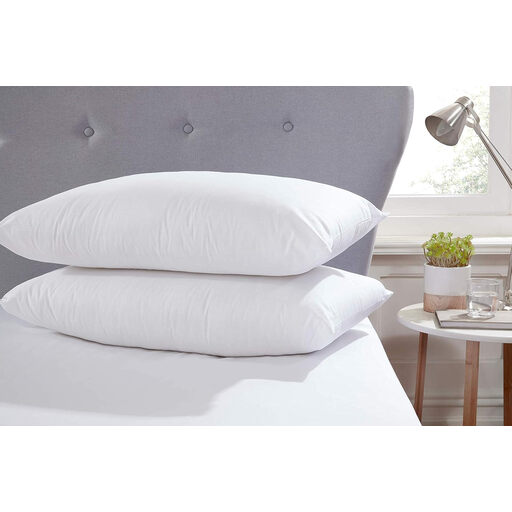
Why This Fits Their Persona: This individual needs a single pillow that perfectly balances anti-allergy features with a specific support level for optimal sleep posture. This pillow is ideal for back and side sleepers who need that medium firmness to prevent neck strain.
This pillow avoids the "ignoring comfort" trap by clearly defining its purpose. It is not just an anti-allergy pillow; it is a medium support pillow designed to promote healthy spinal alignment for specific sleeping styles.
Offers targeted medium support for back and side sleepers. The skin-friendly microfibre cover and hypoallergenic hollowfibre filling create a breathable and comfortable sleep surface.
We have compiled a complete, real-time list of products that fully satisfy these strict selection criteria and UK safety regulations.
For most allergy sufferers, it is advisable to wash pillows every two to three months to effectively remove the build-up of dust mites, skin cells and other allergens. Always follow the care label, but aim for a wash cycle of at least 40°C. Ensure the pillow is completely dry before use to prevent mould.
The terms are often used interchangeably in marketing, but there can be a subtle difference. Hypoallergenic typically means the materials used (like polyester hollowfibre) are less likely to cause an allergic reaction. Anti-allergy can imply that the product has been treated with a substance to actively prevent the growth of dust mites or bacteria. In practice, look for the core features: a synthetic filling and a tightly woven cover that can be washed at a high temperature.
Like most synthetic pillows, anti-allergy pillows should generally be replaced every one to two years. Over time, the filling will compress, and the pillow will lose its supportive qualities. A simple test is to fold the pillow in half. If it doesn't spring back to its original shape, it's time for a replacement.