
24/7 全天候客户支持

免费退货

当日/次日达

品质保障

开启新人专享福利: 全场免邮 | 低至 2 折 | 免费试用 30 天 JoyPlus 会员
下载 Joybuy
Blemishes and dark marks often require different types of care. A product that helps remove excess oil may not address post-acne marks, while a brightening serum may be unsuitable for active breakouts or easily irritated skin. The wide choice of acne skincare, dark spot serums and Korean skincare for blemishes can make comparison difficult.
The following guide explains what to check before buying anti-blemish and dark spot skincare products, including ingredient strength, formula compatibility and practical use in a UK skincare routine.
A concealer can make redness and dark spots less visible immediately, but it does not replace a blemish treatment or hyperpigmentation treatment. If a product is marketed around flawless-looking skin in seconds, check whether it offers cosmetic coverage only.
For temporary coverage, look for a shade-matched concealer with a texture suitable for blemish-prone skin. For longer-term skincare, look for ingredients such as niacinamide, salicylic acid, vitamin C derivatives or tranexamic acid.
Strong formulas may appear more appealing, but combining several active ingredients can increase dryness, stinging or visible irritation. For example, using a salicylic acid toner, vitamin C serum and exfoliating treatment together may be unsuitable for sensitive skin.
Check the ingredient list and introduce one active product at a time. A lower-strength formula used consistently may be easier to maintain than a highly concentrated product that causes discomfort.
A product can contain useful brightening ingredients but still feel uncomfortable if it also includes fragrance, drying alcohol or citrus essential oils. This is particularly relevant when shopping for skincare for sensitive skin or skin that has recently been picked, shaved or over-exfoliated.
Always check the current packaging because formulations can change. Do not apply products to broken or severely irritated skin.
These ingredients are cosmetic skincare options rather than guaranteed medical treatments. Persistent, painful or worsening acne should be discussed with a pharmacist or GP.
A serum suits shoppers who want a concentrated step after cleansing, while a cream may be more convenient for hydration and barrier support. Toners can be applied after cleansing, but exfoliating toners should not automatically be used twice daily.
Concealers serve a different purpose. A correcting stick may be useful for work, school or events when you want to disguise individual marks without applying full-face make-up.
Patch testing is sensible when introducing a new active formula, particularly for sensitive skin. Follow the product directions and stop use if persistent redness, swelling, itching or stinging develops.
During the day, use a broad-spectrum sunscreen suitable for your skin. UV exposure can make uneven tone and post-acne marks appear more noticeable, even when you are using brightening skincare.
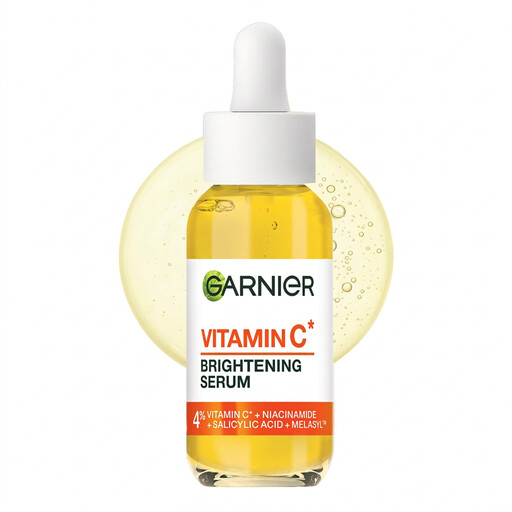
Why This Fits Their Persona: A straightforward serum format for shoppers starting a brightening routine without buying several separate products.
The listed formula identifies a vitamin C derivative, niacinamide and salicylic acid, rather than relying on a vague “glow” claim alone.
30ml serum; lightweight texture; includes niacinamide and a salicylic acid component.
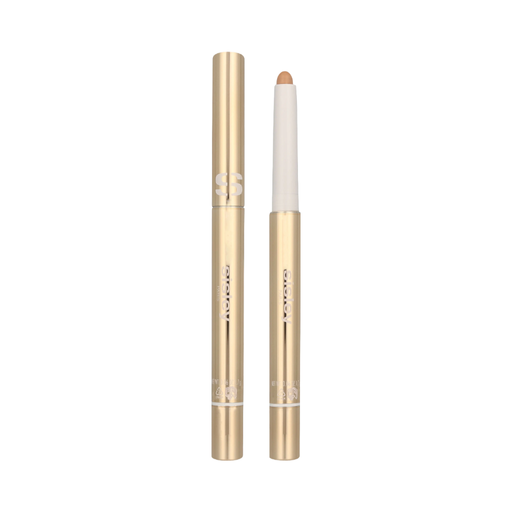
Why This Fits Their Persona: Suits shoppers prioritising portable, precise coverage for individual blemishes, redness or dark marks.
It is clearly a correcting make-up product, helping avoid the mistake of treating instant camouflage as a complete blemish routine.
Dual-ended precision applicator and sponge blender; creamy matte-finish formula; 1.7g format.
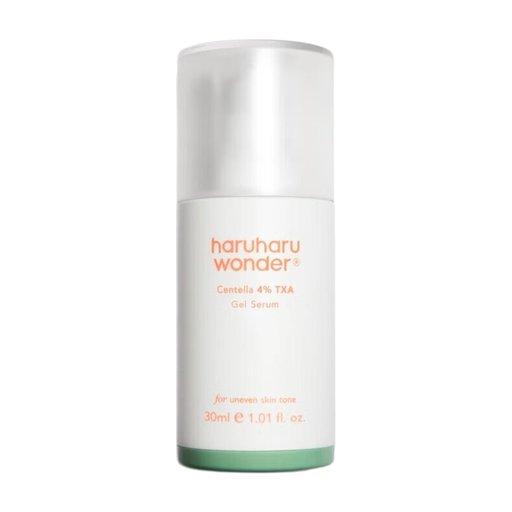
Why This Fits Their Persona: Designed for shoppers concentrating on post-acne marks, hyperpigmentation and uneven skin tone in a dedicated serum step.
The formula lists specific concentrations of tranexamic acid and niacinamide, making it easier to compare with less transparent brightening products.
4% tranexamic acid; 4% niacinamide; Centella-based ingredients; fragrance-free according to the supplied product information.
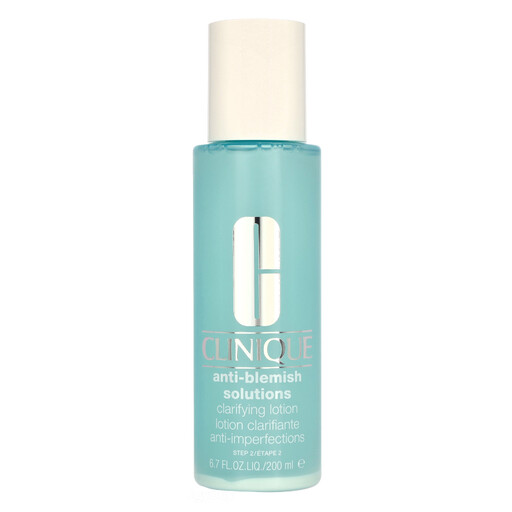
Why This Fits Their Persona: A toner-format option for shoppers who prefer a structured cleansing, exfoliating and moisturising routine.
Its instructions specify shaking the bottle and applying it after cleansing, while the listed 1.5% salicylic acid gives a clear specification to assess.
200ml size; 1.5% salicylic acid; oil-absorbing powders; fragrance-free and allergy-tested according to the supplied information.
We have compiled a complete, real-time list of products that fully satisfy these strict selection criteria and UK safety regulations.
A practical routine does not need every available active ingredient:
Some products combine blemish-focused ingredients with brightening ingredients, but results vary by person and mark type. Salicylic acid is commonly used in acne skincare, while niacinamide, vitamin C derivatives and tranexamic acid are often included in products for uneven tone. They should be used consistently and according to the label.
Lifespan depends on the formula, packaging and storage conditions. Check the period-after-opening symbol, expiry information and packaging instructions. Keep vitamin C serum and other active products away from direct sunlight and heat, and do not use a product if its smell, colour or texture changes noticeably.
Teenagers should keep routines simple and avoid using multiple strong actives at once. A gentle cleanser, suitable moisturiser and daytime sunscreen may be enough to begin with. For persistent, painful or scarring acne, seek advice from a parent or carer, pharmacist or GP rather than relying solely on cosmetic skincare.