
24/7 Customer Support

Free returns

Same-day & Next-day Delivery

Quality Guaranteed

Unlock Your Welcome Offers: FREE Delivery | Up to 80% OFF | Free 30-day JoyPlus trial
Download the APP
Dandruff can be frustrating, particularly when flakes return soon after washing or an apparently gentle shampoo leaves your scalp feeling tight. Choosing an anti-dandruff shampoo is not simply about picking the bottle with the strongest claim. The formula, active ingredient, hair type and intended frequency of use all affect whether it suits your routine.
For UK shoppers, these are three common buying traps to avoid:
If your scalp feels tight, rough or uncomfortable after washing, look for a dry scalp shampoo or moisturising anti-dandruff shampoo with ingredients such as glycerin, panthenol, coconut oil, aloe vera or ceramides.
For visible flakes combined with recurring itch, an anti-dandruff active may be more relevant. Common examples in the products listed here include piroctone olamine, climbazole and salicylic acid. Salicylic acid can help loosen scalp build-up, while piroctone olamine and climbazole are used in formulations designed for dandruff care. Always follow the product label rather than increasing use beyond the instructions.
If your roots become oily quickly, choose a formula marketed for greasy hair and dandruff. A fresh, cleansing shampoo may be more suitable than a rich moisturising formula, although the lengths may still need conditioner.
A daily-use dandruff shampoo should be comfortable for your normal washing schedule. Look for practical details such as pH-balanced formulation, dermatological testing and whether the product is described as suitable for everyday use.
Those with a reactive or sensitive scalp may prefer a sensitive scalp shampoo without added fragrance, colourants or soap. E45 Dry Scalp Shampoo, for example, is listed as fragrance-free, perfume-free, soap-free and hypoallergenic, with panthenol included in the formula.
A fragranced product is not automatically unsuitable, but fragrance ingredients can be a consideration if your scalp is easily irritated. Read the current packaging, as formulations can change.
A 2-in-1 anti-dandruff shampoo combines cleansing and conditioning in one step. This can suit gym bags, busy morning routines or households wanting fewer bottles. However, people with longer, curly or dry hair may still prefer a separate conditioner applied mainly to the mid-lengths and ends.
Also consider bottle size. A 95ml or 250ml bottle is useful for trying a product, while 625ml, 750ml and 1-litre formats can reduce repurchasing for regular users. Store shampoo in a cool, dry place and check the expiry, batch and ingredient information printed on the packaging.
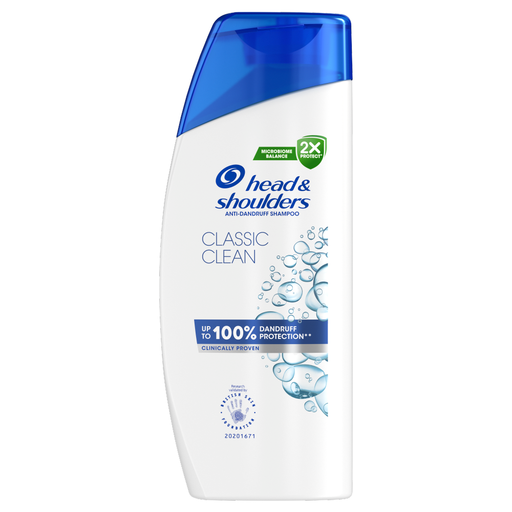
Why This Fits Their Persona: The compact 95ml size lets first-time buyers try a familiar daily-use format without committing to a large bottle.
The smaller format limits waste if the fragrance or cleansing feel does not suit your scalp.
Contains piroctone olamine; the listing describes a pH-balanced formula suitable for regular use.
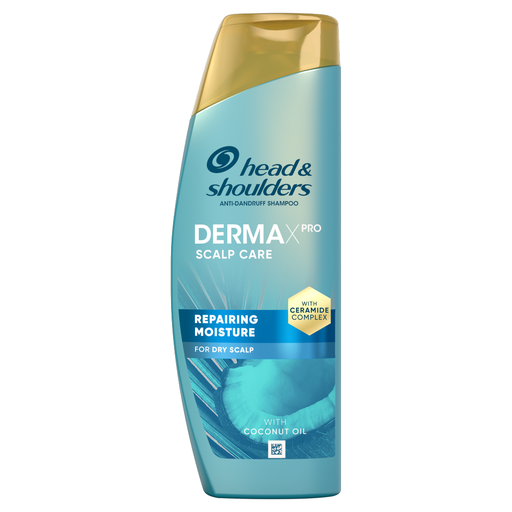
Why This Fits Their Persona: A suitable option for shoppers prioritising scalp moisture alongside dandruff care, particularly when hair feels dry after washing.
It pairs piroctone olamine with coconut oil, glycerin and a ceramide complex rather than focusing only on deep cleansing.
The 300ml formula includes coconut oil and ceramide complex; the product is listed as suitable for daily use.
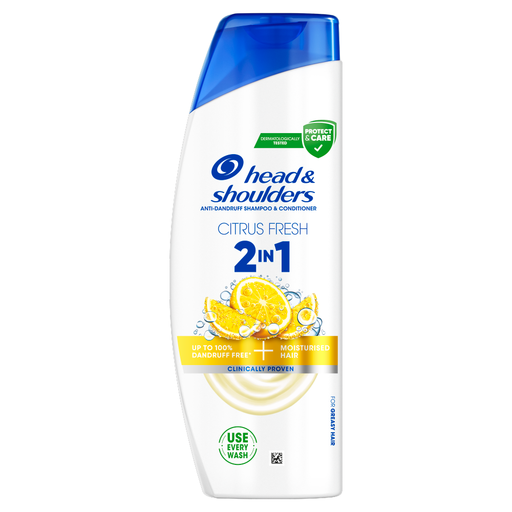
Why This Fits Their Persona: It suits adults who wash frequently, manage oily roots and prefer shampoo and conditioner in one bottle.
The product is specifically labelled for greasy hair and combines cleansing with conditioning, avoiding the need to buy two separate bottles.
Contains piroctone olamine and includes conditioning agents; the bottle holds 330ml.
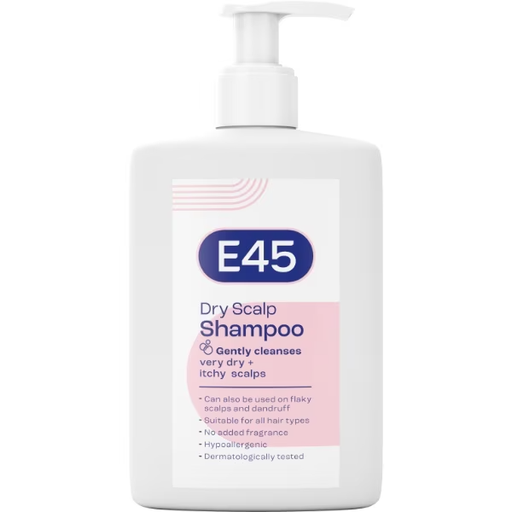
Why This Fits Their Persona: A fragrance-free option for adults who want gentle cleansing for dry, itchy or flaky scalp concerns.
It avoids added perfume and colourants, helping shoppers screen out common fragrance-related preferences when choosing a dry scalp shampoo.
Contains panthenol and climbazole; the 250ml formula is listed as suitable for everyday use.
We have compiled a complete, real-time list of products that fully satisfy these strict selection criteria and UK safety regulations.
Follow the directions on the bottle. Some products are designed for daily use, while others suggest use at least twice weekly or whenever you shampoo. Using more than instructed is unlikely to improve results and may make a sensitive scalp uncomfortable.
Yes, but choose carefully. A moisturising anti-dandruff shampoo may be more suitable when dryness is a major concern. If the scalp is dry without recurring dandruff, a gentle dry scalp shampoo may be a more appropriate starting point.
This depends on bottle size, hair length, washing frequency and the amount used each time. A 250ml bottle may suit occasional or trial use, while a 750ml or 1-litre bottle is more practical for frequent washing. Check the packaging for expiry and storage information, particularly when buying in bulk.