
24/7 Customer Support

Free returns

Same-day & Next-day Delivery

Quality Guaranteed

Unlock Your Welcome Offers: FREE Delivery | Up to 80% OFF | Free 30-day JoyPlus trial
Download the APP
Dandruff can mean visible flakes, itching, excess oil or a scalp that feels tight and dry. However, choosing an anti-dandruff shampoo based only on a bold label or a pleasant fragrance can lead to wasted money and increased discomfort.
A formula designed for an oily scalp may feel too cleansing on a dry or sensitive scalp. Likewise, a hydrating shampoo may not provide the type of targeted care you want for recurring flakes. This guide explains what to check before buying, then matches several options to practical UK shopping profiles.
Dryness and dandruff can both produce white flakes and itching, but they are not identical concerns. A dry scalp may feel tight after washing, particularly in cold weather or when exposed to strong cleansing products. Dandruff is more often associated with recurring flaking and scalp irritation.
Look for a dry scalp shampoo or hydrating scalp shampoo when moisture and comfort are the priority. If oiliness, product build-up and persistent flakes are more noticeable, an anti-dandruff or clarifying formula may be more suitable.
A bottle may be labelled for regular use, but your personal response still matters. Ingredients such as fragrance, menthol, salicylic acid or stronger surfactants may not suit everyone, especially if the scalp is already irritated.
Start by following the product directions and observe how your scalp feels. If burning, redness, rash or worsening irritation occurs, stop using the product and seek appropriate medical advice.
A 750ml or 1,000ml bottle can offer practical value for frequent washing or family use, but it is not economical if the formula does not suit your scalp. Smaller 200ml–300ml bottles can be more sensible when trying a new dandruff treatment shampoo, particularly if you have a sensitive scalp.
Check the ingredient list rather than relying on front-of-pack wording. Common ingredients found in scalp care products include:
Ingredient suitability is personal. A formula containing fragrance or menthol may provide a fresh sensory experience, but fragrance-free options can be preferable if you are looking for sensitive scalp shampoo.
Choose according to your main concern:
Compare the price per 100ml, not just the shelf price. Large bottles are useful for households or established routines, while pump packaging can make measured application easier.
Always check the latest ingredients, warnings and directions printed on the packaging. Keep shampoo away from the eyes, use it externally only and rinse thoroughly. UK cosmetic products should display relevant ingredient and safety information, but individual sensitivities still need to be considered.
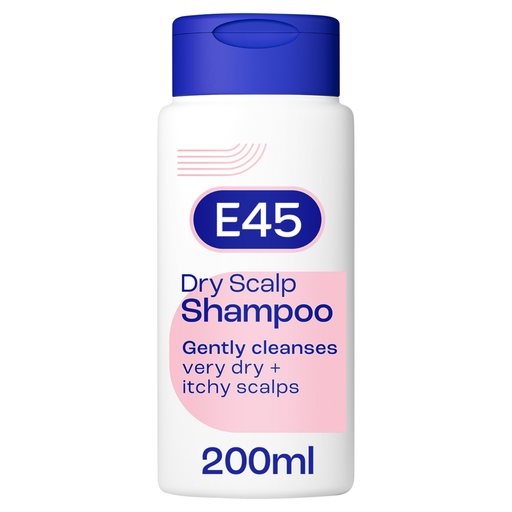
Why This Fits Their Persona: A manageable 200ml size for shoppers trying a dry scalp shampoo without committing to a larger bottle. It is designed for regular use across hair types.
The formula is listed as fragrance-free, soap-free and perfume-free, helping shoppers avoid buying a strongly fragranced product for a sensitive or dry-feeling scalp.
Contains panthenol and glycerin; 200ml format is practical for testing a routine.
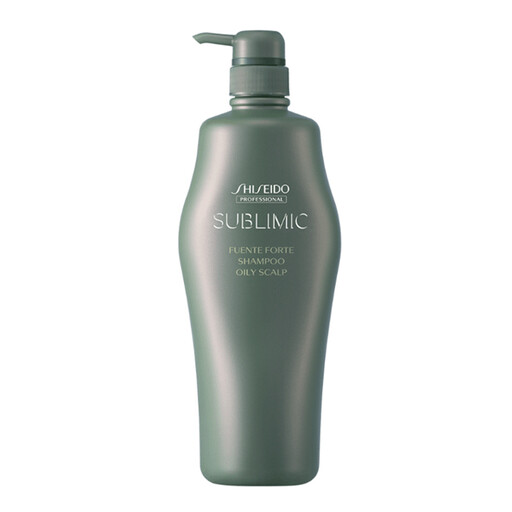
Why This Fits Their Persona: Suitable for shoppers prioritising a targeted oily scalp shampoo and a large-format bathroom product for frequent or shared use.
Its stated use focuses on excess sebum and oily, rough scalps rather than presenting one formula as suitable for every scalp concern.
1,000ml capacity; includes salicylic acid and menthol in the listed ingredients.
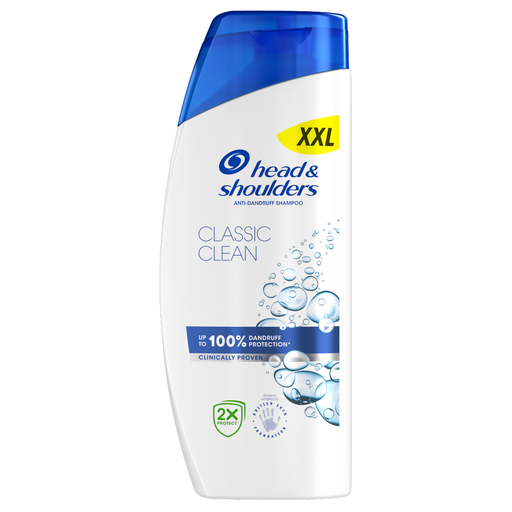
Why This Fits Their Persona: A large bottle for households or people who wash frequently and want a familiar daily-use dandruff shampoo format.
The pack size is clear, and the directions specify regular use rather than requiring shoppers to guess how often it should be applied.
750ml size; contains piroctone olamine and conditioning ingredients including panthenol and glycerin.
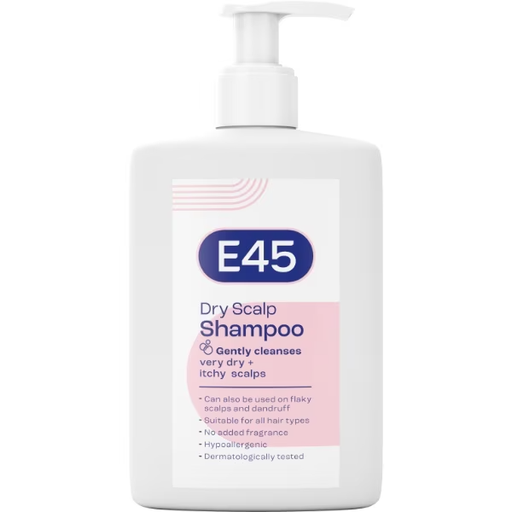
Why This Fits Their Persona: A fragrance-free option for adults seeking a gentle scalp care routine for dryness, itchiness or flaking.
It is listed as free from fragrance, soap and perfume, reducing reliance on scent as a sign of performance.
Contains panthenol; designed for everyday use and all hair types according to the product information.
We have compiled a complete, real-time list of products that fully satisfy these strict selection criteria and UK safety regulations.
If flakes, soreness, redness or itching continue despite regular use, consider speaking with a pharmacist or GP. A shampoo is a cosmetic scalp-care product and may not address every underlying scalp condition.
It depends on the product and your scalp. Some formulas are labelled for daily use, while others suggest use several times per week. Follow the packaging directions and reduce frequency if your scalp becomes uncomfortable.
Yes, but choose carefully. A moisturising or fragrance-free formula may be more comfortable than a strongly clarifying product. Check for supportive ingredients such as panthenol or glycerin and avoid over-washing.
A 200ml–300ml bottle may last several weeks, depending on hair length, washing frequency and the amount used each time. A 750ml or 1,000ml bottle is more practical for frequent or family use, but compare the price per 100ml and confirm that the formula suits your scalp before buying in bulk.