
24/7 Customer Support

Free returns

Same-day & Next-day Delivery

Quality Guaranteed

Unlock Your Welcome Offers: FREE Delivery | Up to 80% OFF | Free 30-day JoyPlus trial
Download the APP
Dealing with a flaky, itchy scalp can be a persistent frustration. Whether it's the tell-tale white flakes on your shoulders or a constant, nagging itch, finding a solution often feels like a game of trial and error. The UK market is saturated with anti-dandruff shampoos, all promising a clear, comfortable scalp. However, many fall short, and consumers often find themselves caught in common purchasing traps that lead to wasted money and continued discomfort.
As a Joybuy Product Recommendation Officer, my role is to help you navigate this confusing landscape. Before you add another bottle to your basket, let's look at the most common pitfalls and how to avoid them.
clarifying shampoo on a dry scalp can strip it further, while a purely moisturising shampoo may not address the root cause of dandruff.To make an informed choice, focus on the formulation rather than the marketing claims. Here are the core parameters to check before you buy.
First, determine what your scalp is telling you. This will guide you to the right type of product.
oily scalp shampoo with anti-dandruff properties is ideal.dry scalp shampoo that moisturises the skin without stripping its natural oils.shampoo for itchy scalp is crucial. These formulas are often free from common irritants and contain soothing ingredients like Aloe Vera or Centella Asiatica.hair loss shampoo that combines anti-dandruff action with ingredients that nourish the hair follicle, such as biotin or peptides, can offer dual benefits.The effectiveness of an anti-dandruff shampoo hinges on its active ingredients. Look for these on the ingredient list:
scalp treatment shampoo for clearing buildup.A well-formulated product will balance these actives with other beneficial ingredients to ensure the scalp is not only treated but also cared for.
Based on these practical criteria, here are a few recommendations tailored to different user needs and concerns.
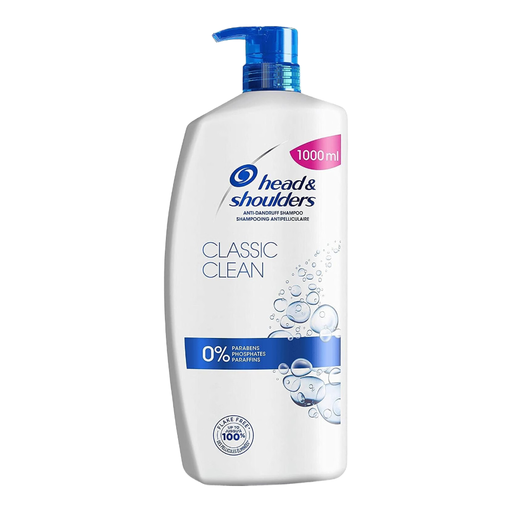
Why This Fits Their Persona: For someone in the UK needing a reliable, no-fuss daily solution for common dandruff, this large-format bottle offers excellent value. It's a household staple for a reason—it's straightforward and effective for managing mild to moderate flaking without over-complicating the routine.
It avoids the "one-size-fits-all" trap by being a well-balanced formula for the most common type of dandruff. It focuses on a proven active ingredient, Piroctone Olamine, rather than just botanical scents.
The pH-balanced and dermatologically tested formula is gentle enough for daily use. The large 1L pump bottle is both economical and convenient for long-term management.
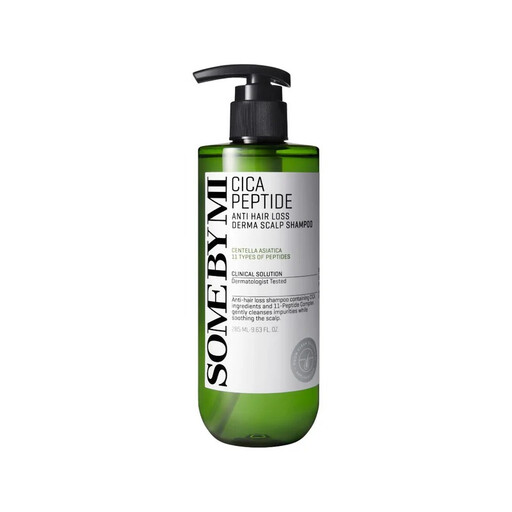
Why This Fits Their Persona: This user is dealing with more than just flakes; their scalp is inflamed, itchy and sensitive. They need a targeted sensitive scalp shampoo that soothes irritation while addressing other concerns like potential hair thinning. This K-beauty formula is designed for exactly that.
It sidesteps the "harsh formula" pitfall by using a mild, silicone-free cleansing system. Its focus is on high-value ingredients like Centella Asiatica (Cica) for soothing and a peptide complex for strengthening, moving beyond basic dandruff control.
The multi-action formula soothes, cleanses and nourishes hair follicles with 11 peptides and biotin. The addition of PHA provides gentle exfoliation without causing irritation.
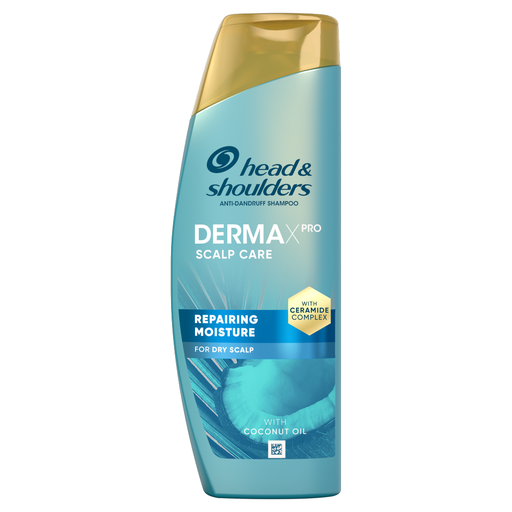
Why This Fits Their Persona: This individual's main complaint is dryness that causes flaking and discomfort. They need a dedicated dry scalp shampoo that does more than just cleanse; it needs to actively replenish moisture and repair the scalp's barrier.
It directly counters the "confusing dandruff with dry scalp" pitfall. This is not just an anti-dandruff shampoo; it's a scalp-hydrating treatment that also happens to fight flakes, using a blend of Coconut Oil and a Ceramide Complex.
The formula is powered by Piroctone Olamine and is designed to restore the scalp's natural moisture barrier. According to the brand, it helps lock in moisture for up to 72 hours.
We have compiled a complete, real-time list of products that fully satisfy these strict selection criteria and UK safety regulations.
Here are answers to a few common questions UK shoppers have about using anti-dandruff shampoos.
This depends on the specific product and the severity of your scalp condition. Many modern formulas, particularly those that are pH-balanced, are designed for daily use. Others with more potent active ingredients might be recommended for use 2-3 times per week. Always refer to the directions on the bottle. Consistency is often the key to managing and preventing the return of flakes.
This is a valid concern. Harsh shampoos can strip colour, but many contemporary anti-dandruff formulas are created to be gentle on hair. Look for products that are explicitly labelled as "colour-safe" or are free from harsh sulphates. Brands like Head & Shoulders often state their core lines are suitable for colour-treated hair.
Although their symptoms can appear similar (flakes and itchiness), their causes differ. A dry scalp is a moisture issue; the skin is dehydrated and sheds small, white, dry flakes. Dandruff is typically linked to an overgrowth of a common fungus on the scalp, which accelerates skin cell turnover and causes larger, sometimes oily, yellowish flakes. A dry scalp shampoo prioritises hydration, while an anti-dandruff shampoo contains active ingredients to control the scalp's microbiome.