
24/7 Customer Support

Free returns

Same-day & Next-day Delivery

Quality Guaranteed

Unlock Your Welcome Offers: FREE Delivery | Up to 80% OFF | Free 30-day JoyPlus trial
Download the APP
Flakes, itchiness and an oily scalp can make choosing an anti-dandruff shampoo surprisingly difficult. Product packaging often uses broad phrases such as “deep cleansing”, “moisture” or “daily protection”, but these descriptions do not always explain whether a formula suits your scalp or washing routine.
The main buying traps are easy to overlook:
An anti-dandruff formula should contain an ingredient specifically included for dandruff control. Several products in this range list piroctone olamine, including selected Head & Shoulders shampoos and Neutrogena T/Gel Scalp Relief. E45 Dry Scalp Shampoo lists climbazole, while salicylic acid appears in Neutrogena T/Gel and Vosene formulas.
This does not mean one ingredient is suitable for everyone. Instead, use the ingredient list to compare products consistently and follow the directions on the packaging. A salicylic acid shampoo may appeal to people concerned about excess oil or scalp build-up, while a piroctone olamine shampoo may suit those looking for a regularly used anti-dandruff format.
For greasy hair, look for wording such as purifying, oil control or deep cleansing. Head & Shoulders Citrus Fresh Anti-Dandruff Shampoo is specifically described for greasy scalp and hair, with lemon and citrus essence.
If your scalp feels tight or your hair feels dry after washing, consider a moisturising anti-dandruff shampoo instead. Head & Shoulders DermaXPro Repairing Moisture includes coconut oil and a ceramide complex, while the Argan & Coconut Oil formula includes argan oil and coconut oil.
People with a particularly reactive scalp may prefer a sensitive scalp shampoo with fewer potential irritants. E45 Dry Scalp Shampoo is listed as free from perfume, soap and colour, making its formula distinct from fragranced everyday options.
Bottle size should reflect how often you wash your hair and whether more than one person will use it. A 95ml bottle is convenient for travel or trying a formula, while 250ml to 400ml sizes can suit individual routines. Larger 750ml and 1-litre bottles are practical for frequent washing or shared bathrooms.
Always check the current ingredient list, batch information and expiry details printed on the packaging. Store shampoo in a cool, dry place away from direct sunlight and stop using it if irritation develops. For external use only, avoid eye contact and rinse thoroughly if contact occurs.
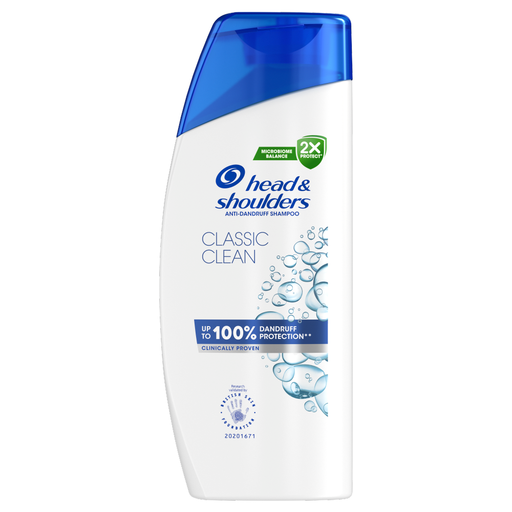
Why This Suits Their Persona: The compact 95ml format lets first-time buyers trial a daily anti-dandruff shampoo without committing to a large bottle and is convenient for gym bags or short UK trips.
The smaller size reduces the risk of wasting product if the fragrance or cleansing feel is not a good match.
Lists piroctone olamine; compact 95ml size; product information describes it as suitable for everyday use.
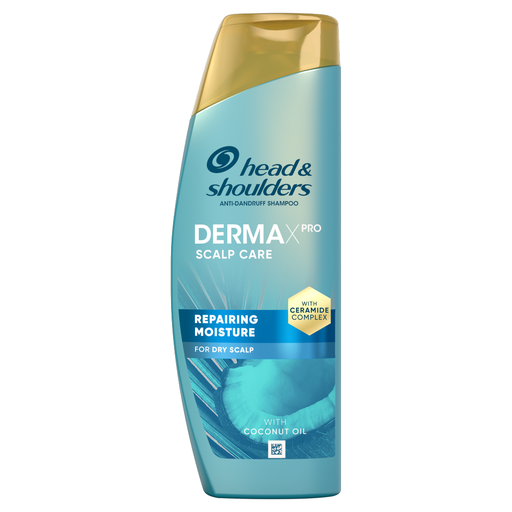
Why This Suits Their Persona: This option is aimed at shoppers who want anti-dandruff cleansing alongside a richer-feeling routine for dry hair and scalp.
It makes the moisture focus clear through its coconut oil and ceramide complex rather than relying only on a vague “hydrating” label.
Contains piroctone olamine, coconut oil and a ceramide complex; 300ml bottle; listed as suitable for daily use.
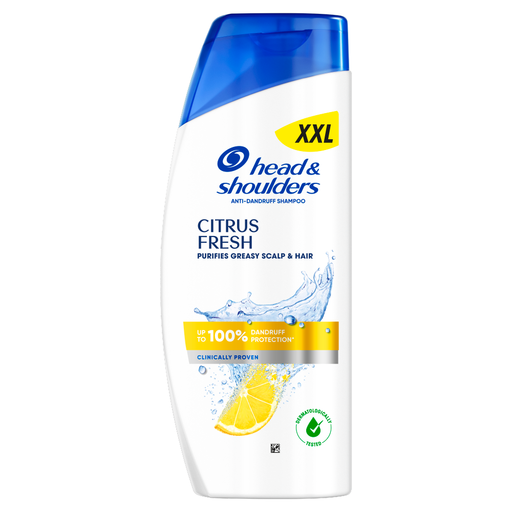
Why This Suits Their Persona: Frequent washers and households managing greasy hair may value the large 750ml format and citrus-focused cleansing profile.
Its intended use for greasy scalp and hair is more specific than choosing a general formula because of its scent.
750ml size; lists piroctone olamine; lemon and citrus essence; product information describes it as pH balanced and suitable for daily use.
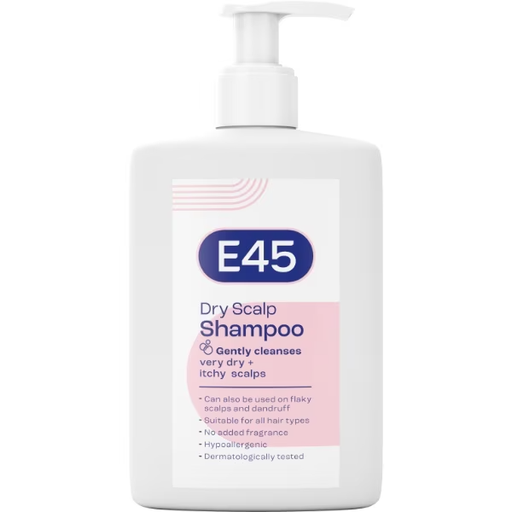
Why This Suits Their Persona: Shoppers seeking a fragrance-free shampoo for an itchy scalp may prefer this 250ml formula for regular cleansing of dry, flaky-feeling scalps.
The product information clearly identifies it as perfume-, soap- and colour-free, helping buyers avoid an unwanted fragrance-led purchase.
Contains panthenol and glycerin; lists climbazole; fragrance-free 250ml formula designed for regular use.
We have compiled a complete, real-time list of products that fully satisfy these strict selection criteria and UK safety regulations.
Apply the shampoo to thoroughly wet hair, then massage it into the scalp rather than concentrating only on the lengths. Follow the product’s own instructions about leaving time, rinsing and frequency. If your hair becomes dry, use conditioner mainly through the mid-lengths and ends.
Avoid switching between several active formulas at once, as this makes it difficult to identify which product suits you. If irritation, redness or a rash develops, discontinue use and seek appropriate medical advice. Persistent or worsening scalp symptoms should also be discussed with a pharmacist, GP or other qualified healthcare professional.
Some products are labelled or described as suitable for daily use, but frequency depends on the individual formula and your scalp. Follow the packaging instructions. If daily washing leaves your scalp tight or irritated, reassess the formula and routine rather than simply using more product.
There is no fixed lifespan because it depends on bottle size, hair length, washing frequency and the amount used per wash. A 95ml bottle may suit occasional use, while 750ml or 1-litre formats are more practical for frequent washing. Check the expiry or period-after-opening information on the packaging.
Not always. Dry scalp and dandruff can produce similar flakes, but the formulas may have different priorities. A shampoo for dry scalp may focus on gentle cleansing and moisture, whereas an anti-dandruff shampoo usually includes a specific active ingredient. Compare the symptoms, ingredient list and usage instructions before purchasing.