
24/7 Customer Support

Free returns

Same-day & Next-day Delivery

Quality Guaranteed

Unlock Your Welcome Offers: FREE Delivery | Up to 80% OFF | Free 30-day JoyPlus trial
Download the APP
Dark marks can be caused by sun exposure, post-acne discolouration, hormonal changes or general unevenness in skin tone. An anti-dark-spot serum can fit neatly into a daily routine, but choosing one by its headline claim alone can lead to wasted money or unnecessary irritation.
The label “brightening” does not always tell you which active ingredients are included, how strong the formula is or whether the texture suits your skin. Before buying a dark spot serum, look beyond promises and check the ingredient list, usage instructions and skin compatibility.
A higher percentage does not automatically mean a more suitable hyperpigmentation serum. Strong vitamin C, exfoliating acids or niacinamide may feel uncomfortable on easily irritated skin, particularly when several active products are layered together.
Look for a formula that matches your tolerance and routine. A beginner may prefer a stable vitamin C derivative, moderate niacinamide or a soothing base rather than combining multiple high-strength actives immediately.
A lightweight texture can still contain ingredients that do not suit every user. If your skin is reactive, check the full INCI list for parfum, essential oils, denatured alcohol and exfoliating acids. These are not automatically unsuitable, but they may be worth approaching cautiously if your skin is sensitive or compromised.
A serum for sensitive skin should be introduced gradually, with a patch test before applying it across the face.
UV exposure can make existing pigmentation appear more noticeable. A vitamin C serum, niacinamide serum or other face serum for dark marks should not replace daytime sun protection. Apply a broad-spectrum sunscreen during the day, especially when using exfoliating acids or a potent vitamin C formula.
Different ingredients are used for different formulation purposes:
Gel and water-based serums are often convenient for oily or acne-prone skin, while formulas containing glycerin, hyaluronic acid, panthenol or squalane may feel more comfortable on dehydrated skin. Consider whether you want a serum that layers under make-up, leaves a dewy finish or absorbs with minimal residue.
Vitamin C formulas can be affected by light, heat and air. Follow the product’s storage instructions and check the packaging for the opening-period symbol and expiry information. Do not use a product if its seal is broken or the packaging is damaged on arrival.
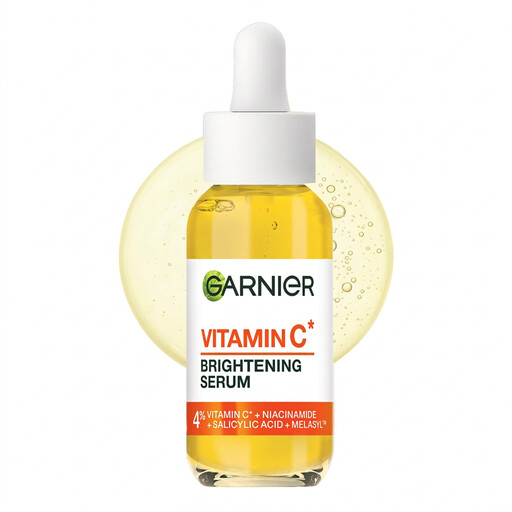
Why This Fits Their Persona: A practical daily option for shoppers starting with a multi-active brightening serum and preferring a lightweight, fast-absorbing texture.
Its listed formula identifies a vitamin C derivative, niacinamide, salicylic acid and Melasyl, rather than relying on a vague “glow” description.
4% vitamin C derivative blend; non-sticky 30ml format listed as suitable for all skin types, including sensitive skin.
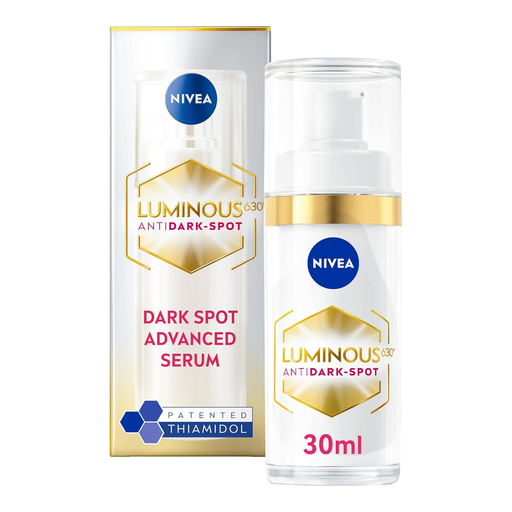
Why This Fits Their Persona: Suitable for shoppers seeking a dedicated anti-dark-spot serum with a short ingredient focus and a hydrating feel.
The product information names LUMINOUS630, also known as Thiamidol, and clearly states a maximum of four applications daily.
Contains Thiamidol and sodium hyaluronate; the stated directions support morning and evening use with daytime UV protection.
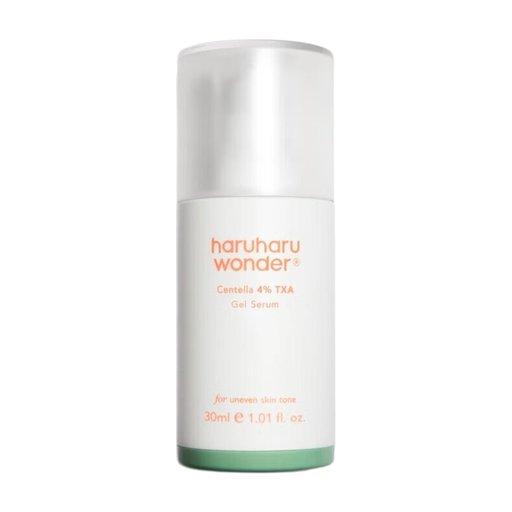
Why This Fits Their Persona: A targeted choice for shoppers comparing a TXA serum for post-acne marks, uneven tone and a lightweight gel finish.
The formula specifies 4% tranexamic acid and 4% niacinamide, while also identifying fragrance-free and drying-alcohol-free positioning.
TXA and niacinamide are paired with centella ingredients; the bouncy gel texture is designed to absorb without stickiness.
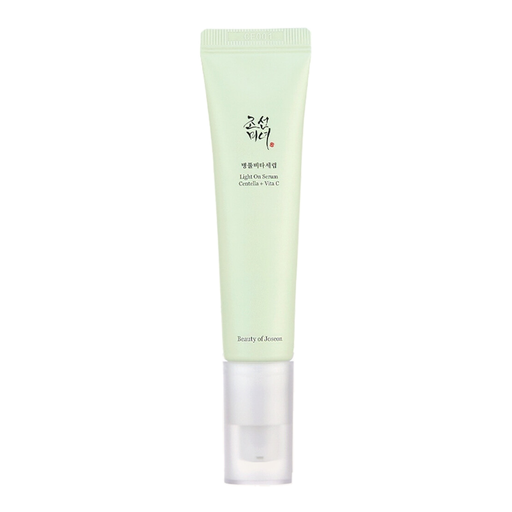
Why This Fits Their Persona: A Korean skincare serum option for people wanting a gentle-feeling vitamin C product with a fresh, non-heavy finish.
It uses 3-O-Ethyl Ascorbic Acid rather than relying only on a generic vitamin C label, and includes centella and panthenol.
Contains 10% 3-O-Ethyl Ascorbic Acid and 68% centella asiatica extract as listed in the product description.
We have compiled a complete, real-time list of products that fully satisfy these strict selection criteria and UK safety regulations.
Apply the amount stated on the packaging to clean, dry skin, then follow with moisturiser if needed. Introduce one new active product at a time so that any reaction is easier to identify. Avoid applying serum to broken, inflamed or irritated skin, and keep it away from the immediate eye area.
Use SPF in the morning. If the product contains acids or pure vitamin C, begin every other day if your skin is easily sensitised. Stop use if persistent redness, itching, swelling or discomfort develops.
Results vary according to the cause of the mark, the formula and regularity of use. Allow several weeks of consistent application rather than judging a product after one or two uses. Product claims should be read as the manufacturer’s reported results, not a guarantee for every individual.
Many routines include both ingredients, but suitability depends on the complete formulas and your skin’s tolerance. Start with one product, use a small amount and introduce the second gradually. Avoid adding exfoliating acids at the same time until you know how your skin responds.
Follow the product directions. Many serums can be used once or twice daily, while some formulas are intended for night-time use. If applying in the morning, finish with broad-spectrum sunscreen and follow any specific usage limit printed on the packaging.