
24/7 Customer Support

Free returns

Same-day & Next-day Delivery

Quality Guaranteed

Unlock Your Welcome Offers: FREE Delivery | Up to 80% OFF | Free 30-day JoyPlus trial
Download the APP
Dryness, flyaways and puffiness can become more noticeable in damp UK weather, but buying the first product labelled “smoothing” may not solve the problem. The right choice depends on your hair texture, styling routine and tolerance for heavier ingredients.
This guide explains what to check before buying anti-frizz hair products, highlights common marketing traps and matches practical options to different shopping needs.
A silicone-based serum can make hair appear glossy immediately, but a shiny finish does not necessarily mean the product offers humidity protection or conditioning. Check whether the formula is intended for daily hydration, heat styling, curl definition or humidity resistance.
Oils, rich creams and multiple layers of leave-in care may make coarse hair feel softer, but can flatten fine or low-density hair. Lightweight mists and sprays are often easier to distribute through fine lengths. Apply products mainly from the mid-lengths to the ends rather than directly at the roots.
Some anti-frizz sprays are heat-activated and need thorough blow-drying to form their intended styling layer. Others are leave-in conditioners or curl creams that can air-dry. Buying a treatment that does not suit your routine may lead to disappointing results, particularly if you rarely use a hairdryer.
“Natural” does not automatically mean lighter or more suitable. Formula texture, application amount and your hair’s porosity are more useful selection factors.
If damp weather is your main concern, prioritise humidity-resistant hair products that describe a moisture-resistant or protective film. If you regularly use straighteners, curling tools or a blow-dryer, look for stated heat protection and follow the product’s temperature guidance.
Do not assume every smoothing hair treatment protects against heat. A shine serum may be intended for finishing, while a leave-in conditioner may offer conditioning without being a complete thermal protectant.
A 40–75ml bottle can be useful for commuting, weekends away or testing a new formula before buying a larger size. Sprays can distribute evenly, while creams and serums require careful dosing. For curly hair, sectioning and scrunching can help prevent uneven application.
Always follow the label. Keep hair products away from the eyes, stop use if irritation develops and check the packaging for the latest ingredients, storage advice and shelf-life information.
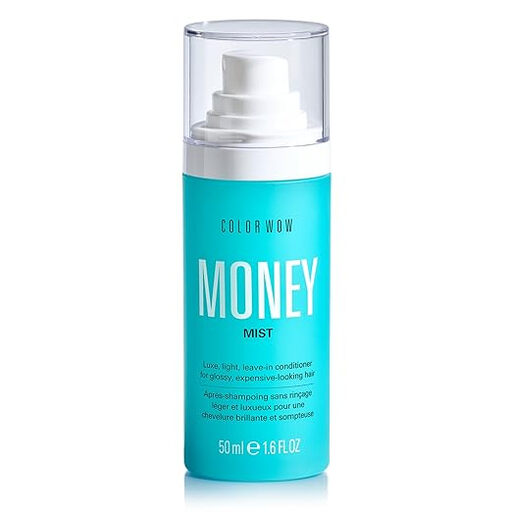
Why This Fits Their Persona: The 50ml format offers a practical way to try a lightweight leave-in conditioner or carry it for UK commuting, holidays and gym bags.
Its spray format is less likely to encourage over-application than a rich cream, and it is designed for use on damp or dry hair without rinsing.
50ml travel-friendly size; listed for detangling, hydration, frizz, static and flyaway control; suitable for colour-treated hair.
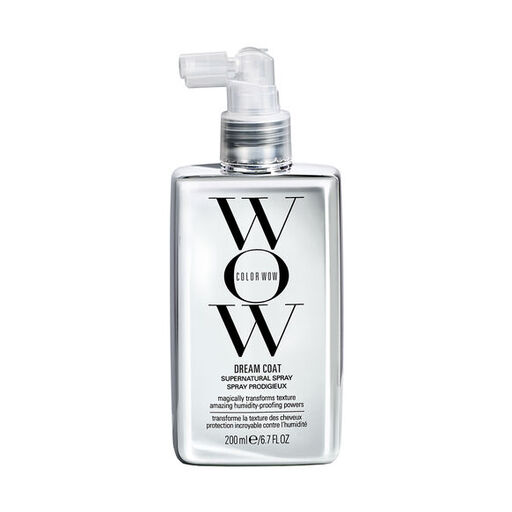
Why This Fits Their Persona: This larger treatment suits shoppers who regularly blow-dry and want a dedicated smoothing step for sleek, polished styling.
The instructions clearly specify damp hair, sectioned application and thorough blow-drying, so buyers can judge whether the routine matches their habits.
Heat-activated spray; described as lightweight and humidity-resistant; listed as suitable for colour-treated and chemically treated hair.
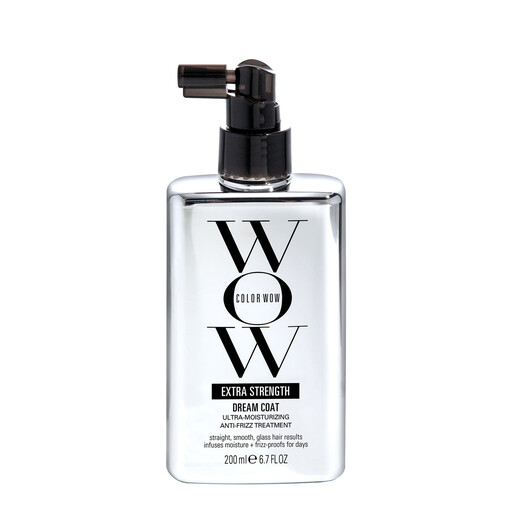
Why This Fits Their Persona: A practical match for thick, coarse or particularly unruly hair where a lightweight mist may not provide the desired styling control.
It is positioned specifically for extremely frizzy, coarse and hard-to-manage hair, rather than presenting one formula as suitable for every texture.
200ml size; heat-activated application; listed with a humidity-resistant finish and non-greasy texture.
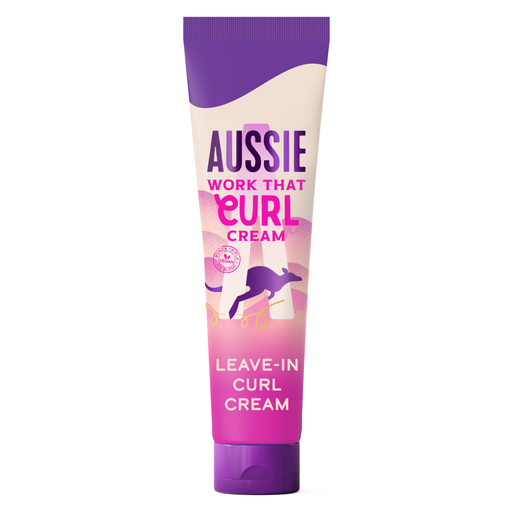
Why This Fits Their Persona: Designed for 2B–3B curls, it suits shoppers who want one product for definition, hydration and refreshing curls between wash days.
The stated curl range helps shoppers avoid choosing a generic smoothing product that may reduce volume or interrupt their natural curl pattern.
160ml format; can be used on damp or dry curls; listed as vegan and designed to help protect curls from humidity.
We have compiled a complete, real-time list of products that fully satisfy these strict selection criteria and UK safety regulations.
Look for a product described as humidity-resistant or designed to create a moisture-resistant barrier. A dedicated treatment may be more suitable for blow-dried styles, while a curl cream or leave-in conditioner can be more practical for air-dried hair. Application technique still matters: use the recommended amount and distribute it evenly.
Not always. Some leave-in conditioners list heat protection, while others focus on detangling, softness or frizz control. Check the product description and packaging for a stated heat-protection temperature or styling guidance. If it is not specified, do not assume the product provides complete protection from heated tools.
Longevity varies by formula, washing frequency, hair texture and weather. Some heat-activated treatments are designed to remain effective through several washes, whereas a serum, anti-frizz spray or leave-in conditioner generally needs reapplication as part of your normal styling routine. Follow the individual product instructions rather than relying on a universal timescale.