
24/7 Customer Support

Free returns

Same-day & Next-day Delivery

Quality Guaranteed

Unlock Your Welcome Offers: FREE Delivery | Up to 80% OFF | Free 30-day JoyPlus trial
Download the APP
Frizz can be difficult to manage in the UK, where rain, damp air and changing humidity often disrupt a carefully styled finish. However, choosing anti-frizz hair products based only on phrases such as “smooth”, “glossy” or “humidity-proof” can lead to disappointing results.
The right choice depends on your hair density, curl pattern, styling routine and tolerance for weight or build-up. A lightweight crème may suit fine hair, while a richer curl defining cream may be more appropriate for thick, coily lengths. Heat-activated products also require a different application method from a leave-in curl cream.
A rich hair styling cream can provide softness and control, but it may leave fine hair flat or greasy if applied near the roots. Conversely, a very light formula may not offer enough conditioning for coarse, curly or damaged hair.
Look for products that identify a suitable hair profile. For example, products for fine frizzy hair should generally be distributed through the mid-lengths and ends, while products for curly and wavy hair are often applied by scrunching into damp lengths.
Humidity-resistant hair products help manage the effect of moisture in the air, but this does not automatically mean they provide heat protection. A blow-dry product should clearly explain whether it is heat-activated or intended for use with heated styling tools.
If you regularly blow-dry, check the instructions carefully. A heat-activated anti-frizz spray may need thorough blow-drying with tension to form its intended coating. Applying it and leaving the hair to air-dry may create a different finish.
Some anti-frizz treatments are rinse-out masks, while others are leave-in creams or sprays. Buying the wrong type can make your routine inconvenient or encourage over-application.
Size also matters. A 50ml bottle may be useful as a travel-sized anti-frizz treatment, whereas a 150ml or 200ml bottle may offer more practical value for regular home styling. Always check whether the product is designed for wet, damp or dry hair.
Fine hair usually benefits from lightweight formulas with a soft finish. John Frieda Frizz Ease Weightless Wonder Crème, for example, is a 100ml leave-in crème described for fine, frizz-prone hair. Its directions recommend starting with one pump and avoiding direct application to the roots.
Thicker, coarse or highly textured hair may need richer conditioning ingredients such as plant oils, butters or fatty alcohols. These can improve slip and softness, although using too much may create build-up.
If your priority is definition rather than a straight, sleek finish, choose a curl-specific formula. A curl defining cream should support the natural pattern without leaving a stiff cast if a soft, touchable result is preferred.
The stated curl range can help narrow the choice. Aussie Work That Curl Leave-In Defining Curl Cream is described for 2B–3B curly hair and can be applied to damp hair as a leave-in conditioner or to dry hair as a refresher. John Frieda Frizz Ease Dream Curls Curl Defining Crème is described for 2A–3C curls and waves, with instructions to use a small amount and scrunch or work through the lengths.
A weekly anti-frizz hair treatment is different from a daily styling product. John Frieda Frizz Ease Infinite Smooth Boosting Treatment is a rinse-out treatment applied to clean, wet hair for five minutes before rinsing. This makes it more suitable for a deeper conditioning step than a quick morning touch-up.
If you colour or chemically treat your hair, check the packaging and ingredient list for suitability. Also review fragrance and preservative ingredients if your scalp or skin is sensitive. All products should be used externally and kept away from the eyes; follow the specific warnings printed on the packaging.
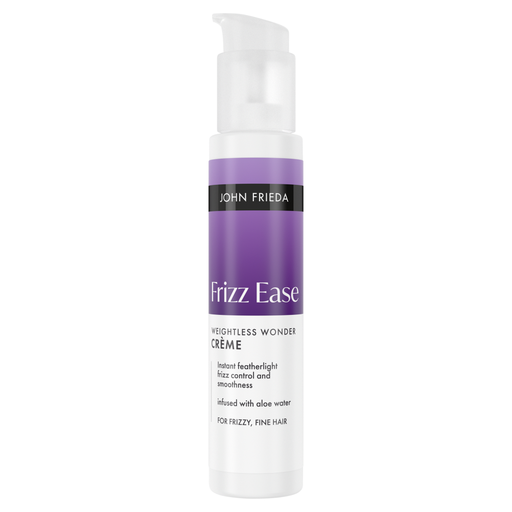
Why This Fits Their Persona: A compact leave-in crème for shoppers starting a simple anti-frizz routine, particularly those with fine hair that becomes puffy or flyaway-prone in damp UK weather.
Its stated use on wet or dry hair makes it more flexible than a rinse-out treatment, while the instructions warn users to avoid applying it directly to the roots.
100ml size; lightweight texture; suitable for wet-hair styling or dry-hair flyaway touch-ups.
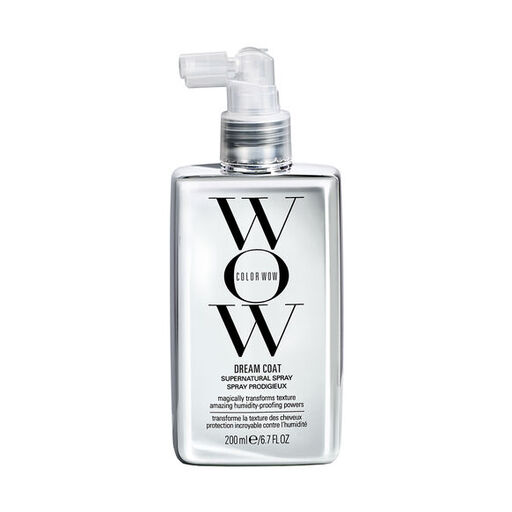
Why This Fits Their Persona: Designed for shoppers who regularly blow-dry and want a larger bottle for repeated smoothing sessions, including on colour-treated hair.
The directions specify damp hair, sectioning and blow-drying with tension, so shoppers can judge the required routine before purchasing.
200ml format; heat-activated spray; described as suitable for colour-treated and chemically treated hair.
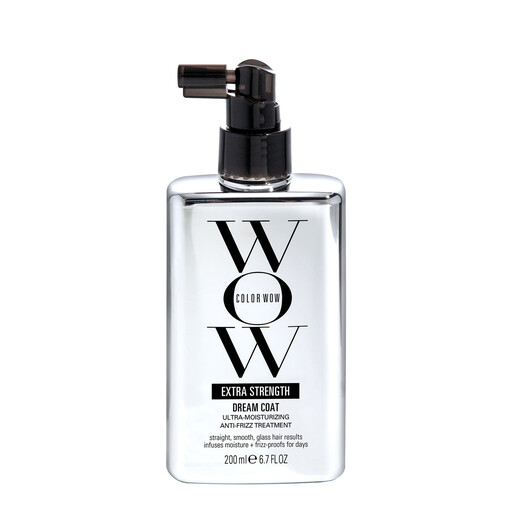
Why This Fits Their Persona: A larger-format option for thick, coarse or particularly unruly hair that needs a humidity-focused smoothing routine during wet-weather periods.
It is clearly positioned as an extra-strength, heat-activated treatment, helping users distinguish it from a casual daily crème.
200ml bottle; humidity-focused formula; designed to be blow-dried thoroughly after application.
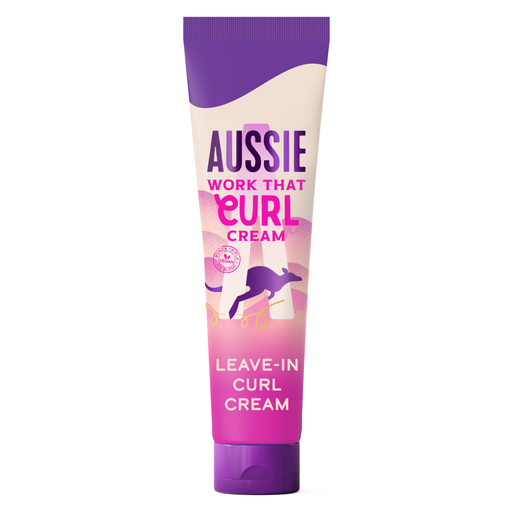
Why This Fits Their Persona: Suitable for shoppers who want one leave-in curl cream for post-wash styling and refreshing curls between wash days.
Its two stated application methods make the intended use clear: scrunch into damp curls after washing or sculpt dry curls without rinsing.
160ml size; leave-in format; described for 2B–3B curls and humidity protection.
We have compiled a complete, real-time list of products that fully satisfy these strict selection criteria and UK safety regulations.
It depends on the product. A leave-in crème may be used during regular styling, while a rinse-out smoothing treatment is commonly used weekly or when the hair feels particularly dry and difficult to manage. Follow the directions on the individual packaging.
Humidity-resistant hair products are designed to help limit the effect of moisture on the finished style, but results depend on hair type, application and styling technique. Heat-activated sprays usually require thorough blow-drying to create their intended finish.
Yes, but select a curl-specific formula when definition and bounce are priorities. A leave-in curl cream or curl defining cream can help shape curls, while a smoothing spray may be more appropriate when the goal is a straighter, polished blow-dry.