
24/7 Customer Support

Free returns

Same-day & Next-day Delivery

Quality Guaranteed

Unlock Your Welcome Offers: FREE Delivery | Up to 80% OFF | Free 30-day JoyPlus trial
Download the APP
Frizz can be caused by several factors, including humidity, dryness, heat styling, colour treatments and naturally porous hair. That is why choosing anti-frizz hair products based only on a promise such as “smooth” or “glossy” can lead to disappointing results.
For UK shoppers, changing weather adds another challenge. A product that works during a dry winter commute may not provide enough humidity resistance on a damp summer day. The right choice depends on your hair texture, styling routine and the type of finish you want.
A hair gloss serum or finishing oil can make hair look polished immediately, but it may not provide enough hold or humidity protection to maintain the effect. Look for products designed to create a smoothing film, define curls or protect the hair during heat styling, depending on your needs.
Rich oils, butters and thick creams may suit dry, coarse or coily hair, but can flatten fine waves or leave straight hair looking greasy. Lightweight sprays and gels are often more suitable for finer textures, while a deep conditioning hair masque may be more appropriate for damaged or highly porous hair.
Some anti-frizz treatments only perform as intended when applied to towel-dried hair and activated with a blow-dryer. Others are designed for air-drying or diffuser styling. Check the directions before buying: a heat-activated formula may not be suitable if you prefer to avoid heat styling.
If damp weather is your main concern, look for a humidity-resistant hair treatment or styling product that states how it is intended to protect the finished style. A spray designed for sleek blow-drying will behave differently from a curl defining jelly, which is made to preserve movement and shape.
Consider the finish as well:
A heat protection hair treatment can be useful if you regularly use a hairdryer, straighteners or a diffuser. However, heat protection does not remove the need for sensible styling temperatures and adequate distance from the hair.
For heat-activated products, apply evenly to clean, towel-dried hair and follow the stated drying method. Avoid layering other styling products on wet hair if the instructions advise against it, as this may affect distribution and finish.
If your hair is colour-treated, look for colour-safe hair products and check the packaging for current ingredient and usage information. Those with sensitive scalps may prefer to avoid unnecessary fragrance or known personal irritants.
For curls and waves, a sulphate-free curl shampoo, conditioner and leave-in conditioner can help create a more consistent routine. Sulphate-free does not automatically mean every formula will suit every hair type, so check whether the product offers the cleansing strength, slip or hold you need.
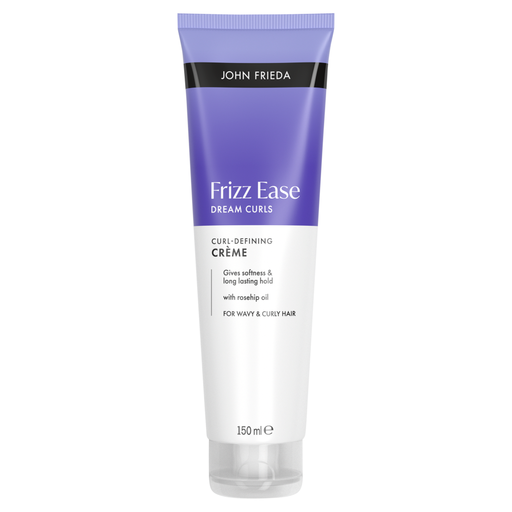
Why This Fits Their Persona: A practical starting point for shoppers who want to define waves or curls without building a large styling collection. It is suitable for curl patterns listed as 2A–3C and can be applied before air-drying or diffusing.
The pea-sized application guidance helps reduce overuse, while the crème format combines curl definition and frizz smoothing in one step.
Soft-hold finish, rosehip oil, vegan formula and use on damp hair or for day-two curl refreshes.
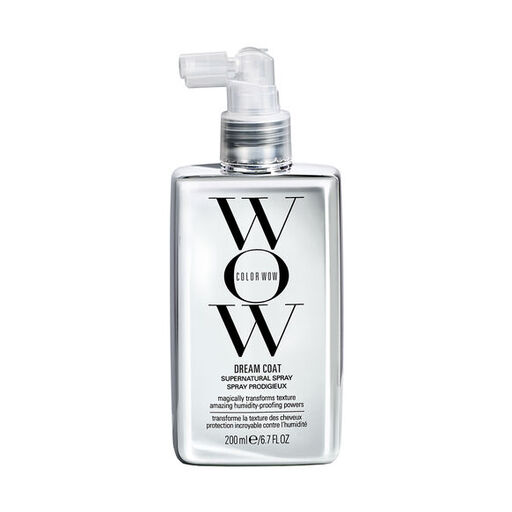
Why This Fits Their Persona: Suits shoppers seeking a lightweight smoothing treatment for sleek, glossy blow-dried hair, including colour-treated or chemically treated hair.
Its instructions clearly state that heat and tension are needed for activation, setting a realistic expectation before purchase.
Lightweight spray format, humidity-resistant positioning, heat protection and stated results lasting through multiple shampoos.
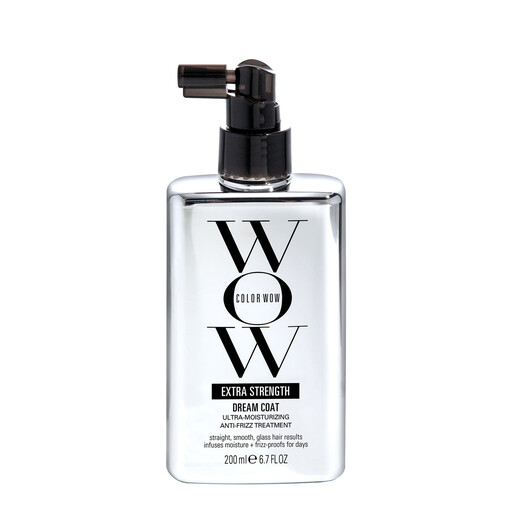
Why This Fits Their Persona: Intended for people with coarse, thick or particularly unruly hair who regularly deal with puffiness during damp UK weather.
The extra-strength positioning is matched with clear blow-drying instructions, so it is not presented as a no-effort air-dry product.
Designed for stronger frizz control, with a non-greasy finish, heat activation and stated performance through multiple shampoos.
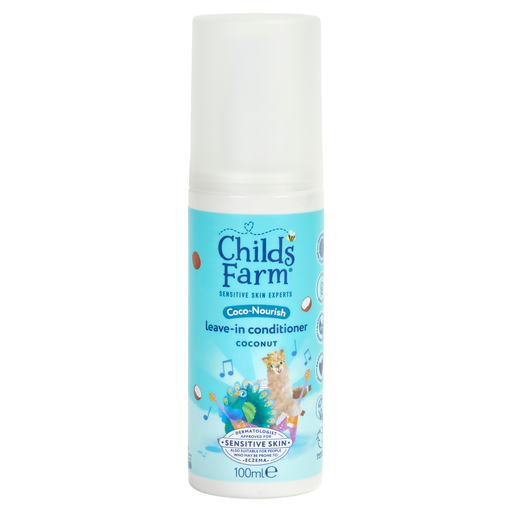
Why This Fits Their Persona: A convenient option for families managing children’s curls, with use listed for children aged 0+ months and application on wet or dry hair.
The spray format supports quick detangling and avoids requiring heat, lengthy styling or several separate products.
Contains coconut, shea, baobab and tamanu oils, and can be used with fingers or a comb to manage curls.
Start with a cleanser suited to your texture, such as a sulphate-free curl shampoo for dry or curly hair. Follow with conditioner, concentrating on the mid-lengths and ends. A deep conditioning hair masque can be added weekly when hair feels brittle, rough or difficult to detangle.
Use a leave-in conditioner when extra moisture and slip are needed. For curls, apply a curl defining cream or curl defining jelly to damp hair, scrunch gently and air-dry or use a diffuser. For sleek styles, choose a smoothing hair treatment or frizz control hair spray and follow its heat and application instructions.
Avoid applying too much product at once. Start with a small amount, allow the hair to dry fully and assess the finish before adding more. Always follow the packaging instructions and stop use if irritation occurs.
We have compiled a complete, real-time list of products that fully satisfy these strict selection criteria and UK safety regulations.
Look for curl creams, curl defining jellies and leave-in conditioners labelled for air-drying. Heat-activated sprays generally require blow-drying to form their intended finish, so they may not suit a no-heat routine.
This depends on the product. Some leave-in products are intended for regular use, while intensive smoothing treatments or deep conditioning masques may be recommended weekly. Always follow the directions and adjust the amount according to your hair’s thickness and condition.
Many formulas are listed as colour-safe, but check the current packaging and ingredient information before use. Apply a small amount first if your hair or scalp is sensitive, and avoid contact with the eyes.