
24/7 Customer Support

Free returns

Same-day & Next-day Delivery

Quality Guaranteed

Unlock Your Welcome Offers: FREE Delivery | Up to 80% OFF | Free 30-day JoyPlus trial
Download the APP
Frizz can be caused by dryness, humidity, heat styling, mechanical damage or the natural structure of curly and wavy hair. The right anti-frizz hair products should match the cause of the problem rather than simply promise a glossy finish on the bottle.
For UK shoppers, changing weather is another consideration. A product that works in a dry bedroom may behave differently during a damp commute, rainy school run or humid bathroom routine. Before buying, look beyond phrases such as “salon finish” and check how the product is intended to be used, what type of hair it suits and whether it adds hold, moisture or heat protection.
Silicones, film-formers and styling polymers can make hair feel smoother immediately. That can be useful, but it does not necessarily mean the hair has received enough conditioning. Dry or damaged hair may need a regular frizz smoothing treatment or mask, while fine hair may become weighed down by rich formulas.
Check whether the product is a rinse-out treatment, leave-in product or styling aid. These serve different purposes and should not be used interchangeably.
“Humidity protection” usually means the formula is designed to create a barrier or hold the style more effectively in damp conditions. It does not mean hair will remain completely unchanged in every weather situation.
For more realistic humidity protection for hair, combine a suitable conditioner or mask with controlled drying, a heat protectant and a finishing product. Applying too much product can leave strands sticky or flat, particularly when the air is damp.
A multi-styler may include several heads, but the useful features are its heat settings, airflow, attachment purpose, handling and UK compatibility. More attachments do not automatically mean better results.
Look for a genuine UK plug and voltage specification, accessible controls, a cool-shot setting and safety instructions that address heat and water exposure. A multi-styler hair dryer can be practical, but it still requires sectioning and appropriate heat control.
Read the ingredient list if you have a fragrance sensitivity, colour-treated hair or a preference for silicone-free, sulphate-free or vegan formulas. Ingredients such as glycerin, panthenol, oils, conditioning agents and film-formers can affect feel and styling performance differently.
For curls, avoid applying a rich product heavily at the roots unless volume reduction is your goal. For fine hair, begin with a small amount. For thick or coarse hair, a layered routine may be more practical than relying on a single product.
If using heated tools, apply a product specifically labelled for heat protection and follow its directions. The John Frieda Frizz Ease 3 Day Straight Straightening Spray, for example, lists heat protection up to 230°C in its supplied product information. That figure should not be treated as permission to use maximum heat unnecessarily.
Appliances should be used away from water, with clear airflow around the intake. Allow hot attachments to cool before changing or storing them, and use a lower setting for fine or fragile hair.
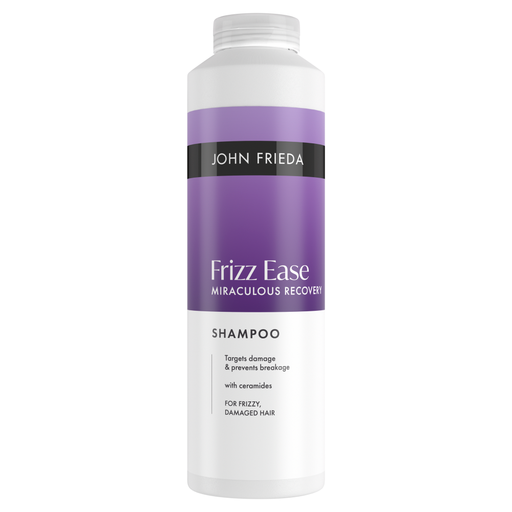
Why This Fits Their Persona: A straightforward starting point for shoppers who want to add an anti-frizz shampoo to their regular wash routine without managing several styling steps.
It is positioned as a cleansing step rather than an all-purpose styling solution, so expectations are clearer. The supplied information lists ceramide and conditioning ingredients.
500ml size; vegan-friendly formula according to the supplied product details; designed to leave hair softer and easier to manage.
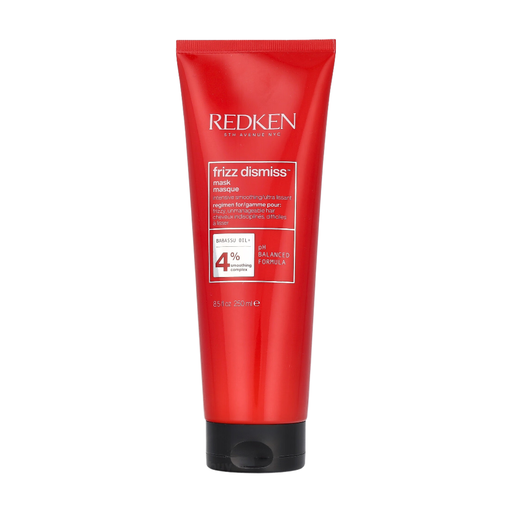
Why This Fits Their Persona: Suitable for shoppers prioritising a dedicated weekly conditioning step for dry, coarse or difficult-to-detangle lengths.
Its rinse-out format and stated three-to-five-minute application time make it distinct from a daily shampoo or finishing spray.
250ml intensive rinse-out mask; supplied details list babassu oil and a sulphate-free formula; intended for use once or twice weekly.
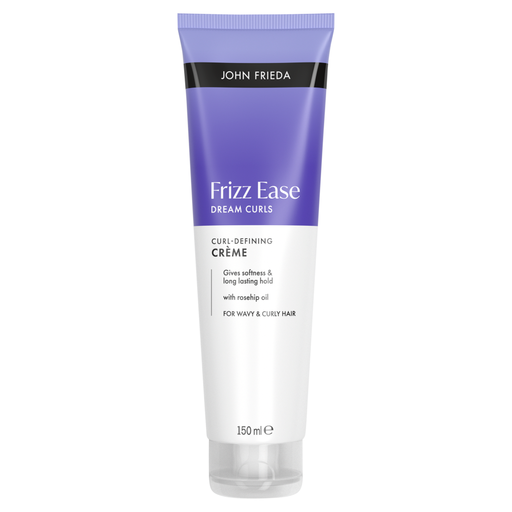
Why This Fits Their Persona: A practical choice for people wanting soft definition and frizz control for naturally curly or wavy hair, whether air-drying or diffusing.
The directions specify starting with a pea-sized amount and applying through the lengths, helping reduce the risk of heavy or greasy-looking roots.
Designed for curl patterns 2A–3C according to the supplied details; rosehip oil; soft-hold styling without a stiff finish.
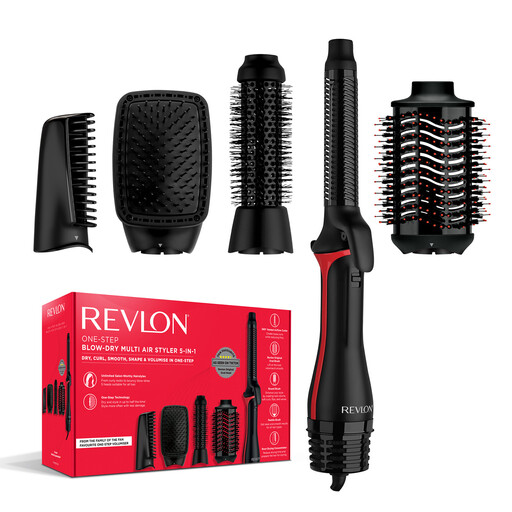
Why This Fits Their Persona: Useful for regular home styling when you want one UK-compatible appliance for drying, smoothing, volume, curls and straightening.
The five attachments have stated functions, while three heat settings and a cool shot provide more control than a single fixed-temperature tool.
Includes dryer, smoothing, paddle, round and curling attachments; UK-standard voltage; two-year manufacturer warranty listed in the supplied details.
We have compiled a complete, real-time list of products that fully satisfy these strict selection criteria and UK safety regulations.
Look for products that combine moisture with light hold, such as curl defining products, curl crèmes or refreshing sprays. A product should support the natural curl pattern rather than forcing the hair straight. Apply gradually, scrunch the hair and assess the finish once dry.
Many rinse-out masks are designed for once or twice-weekly use, but the suitable frequency depends on hair thickness, dryness and how often it is washed. Follow the label directions and reduce use if hair begins to feel coated or limp.
No. A smoothing crème, shampoo or hairspray may help manage frizz but should not automatically be considered a heat protectant. When using a dryer, straightener or curling attachment, choose a product with clear heat-protection instructions and use the lowest effective temperature.