
24/7 Customer Support

Free returns

Same-day & Next-day Delivery

Quality Guaranteed

Unlock Your Welcome Offers: FREE Delivery | Up to 80% OFF | Free 30-day JoyPlus trial
Download the APP
Frizz can be difficult to manage when rain, damp air and indoor heating all affect your hair in different ways. The right anti-frizz hair products can help smooth the appearance of flyaways, improve manageability and support curl definition, but not every formula suits every hair type.
Before buying, look beyond phrases such as “glass hair”, “all-day control” or “professional results”. The most suitable product depends on your hair’s texture, porosity, condition and styling routine.
Some smoothing sprays are heat-activated, meaning they need thorough blow-drying to form their intended protective coating. If you usually air-dry your hair, a leave-in conditioner or curl-defining cream may be more practical.
Conversely, a product designed for air-drying may not provide the same sleek finish when used with a brush and hairdryer. Always check whether the formula is intended for damp hair, dry hair, heat styling or air-drying.
Straightening sprays can reduce visible puffiness but may also make waves or curls feel less springy if over-applied. Curly hair products should support moisture, flexibility and definition rather than simply flattening the hair.
Look for products described as curl-defining, weightless or suitable for wavy and curly hair. Apply styling products in sections and start with a small amount to avoid build-up.
A conditioner or masque can make hair feel smoother immediately, but this does not necessarily mean that damaged hair has been permanently repaired. Ingredients such as silicones, conditioning agents, oils, keratin and proteins can improve slip and reduce the rough feel of the cuticle, while regular trimming and careful heat use remain important.
For dry or chemically treated hair, combine everyday frizz control hair products with a weekly treatment rather than relying on a single spray.
Fine hair may become limp with rich oils or heavy masks, while coarse, dry or highly porous hair often benefits from richer conditioning. Consider whether you want:
For colour-treated hair, look for formulas specifically described as colour-safe hair care, but still check the current packaging and ingredient list before use.
Humidity protection for hair usually comes from film-forming or conditioning ingredients that help limit the effect of moisture on the hair surface. The result can vary according to hair porosity, weather and styling technique.
Check whether the product:
Duration claims should be treated as product guidance rather than a guarantee for every user or weather condition.
Read the full ingredient list, particularly if you avoid fragrance, certain preservatives, silicones, sulphates or specific allergens. A product described as vegan or cruelty-free does not automatically mean it is fragrance-free or suitable for every scalp.
UK cosmetic products should display relevant safety information, responsible-person details and ingredients on the packaging. Follow the label, avoid eye contact and discontinue use if irritation develops. A small patch test can be sensible when trying a new fragranced or leave-on formula.
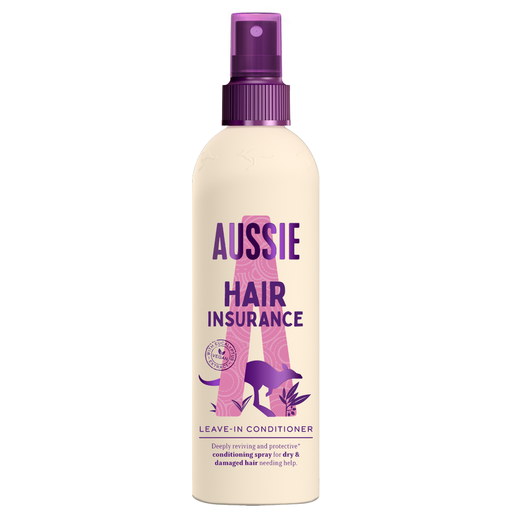
Why This Fits Their Persona: A straightforward leave-in conditioner for shoppers who want easier brushing and extra moisture without building a complete styling routine. It can be used on wet or dry hair.
Its directions clearly cover wet and dry use, avoiding the mistake of buying a heat-activated product for an air-drying routine.
Leave-in detangling format; includes glycerin and conditioning ingredients; suitable for daily or between-wash use.
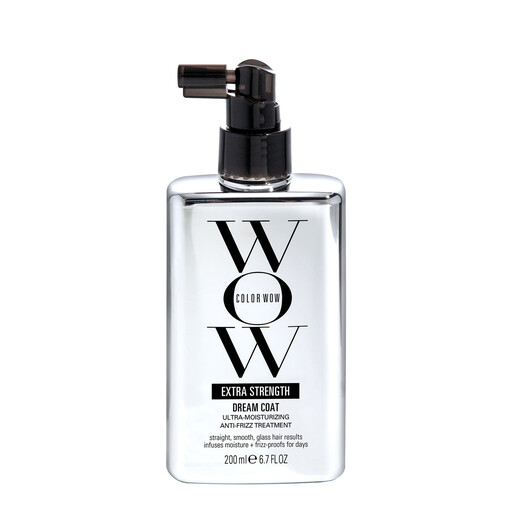
Why This Fits Their Persona: Designed for coarse, very frizzy or difficult-to-manage hair when a polished blow-dried finish is the priority, particularly during damp UK weather.
The instructions specify towel-dried hair and thorough blow-drying, making the heat-activation requirement clear before purchase.
Extra-strength format; lightweight, non-sticky finish; stated suitability for colour-treated hair.
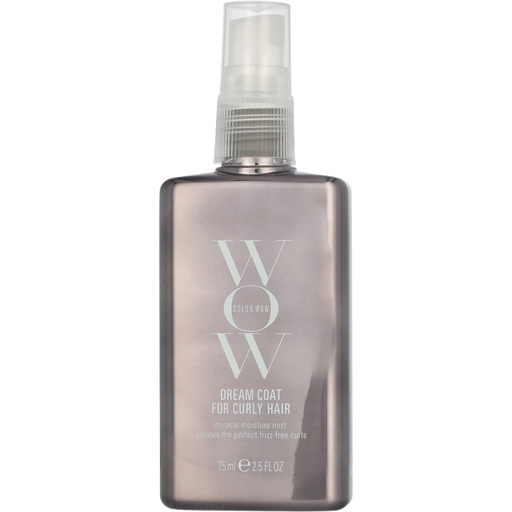
Why This Fits Their Persona: Suits curly-haired shoppers who want a light spray for definition, softness and moisture resistance without a stiff or crunchy finish.
Unlike heat-activated smoothing sprays, this curl spray is directed for air-drying or diffusing, with no heat required for activation.
Lightweight leave-in format; intended to support curl definition; includes hydrolysed keratin and film-forming polymers.
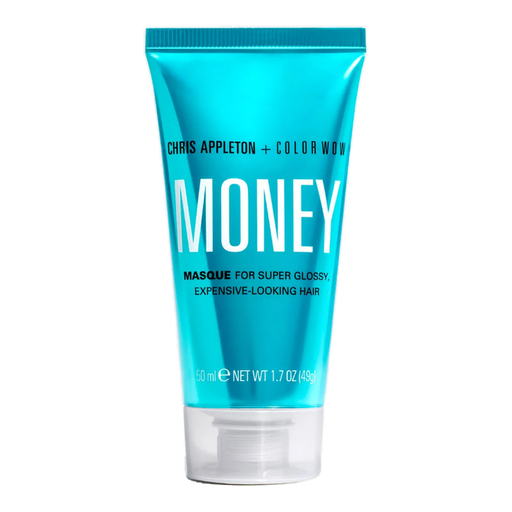
Why This Fits Their Persona: A weekly option for dry, brittle, bleached or chemically processed hair that needs more conditioning than a standard rinse-out conditioner.
It is positioned as an occasional five-to-ten-minute masque rather than a daily styling product, helping shoppers separate conditioning from humidity control.
Rinse-out treatment; contains glycerin, hydrolysed keratin and panthenol; listed as suitable for colour-treated hair.
We have compiled a complete, real-time list of products that fully satisfy these strict selection criteria and UK safety regulations.
Look for a leave-in spray, smoothing treatment or curl product that specifically states humidity resistance. Application technique also matters: apply evenly to damp hair, dry it fully when instructed and avoid using more product than necessary.
Many products are labelled as suitable for colour-treated hair, including several options listed above. However, formulas differ. Check the current packaging, follow the directions and review the ingredient list before use, particularly if your hair or scalp is sensitive.
The lifespan depends on the format. A shampoo or conditioner is used each wash, a masque may be used weekly, and some sprays are intended to last through several shampoos. Product claims such as “up to 72 hours” or “through multiple washes” describe stated performance conditions, not a guarantee for every person.